Rice cookers have become a staple in many kitchens worldwide, but do Chinese people use them? Rice is a cornerstone of Chinese cuisine, integral to daily meals and cultural traditions. In this article, we explore the prevalence and significance of rice cookers in Chinese households. You'll learn about their history, modern features, and impact on cooking practices.
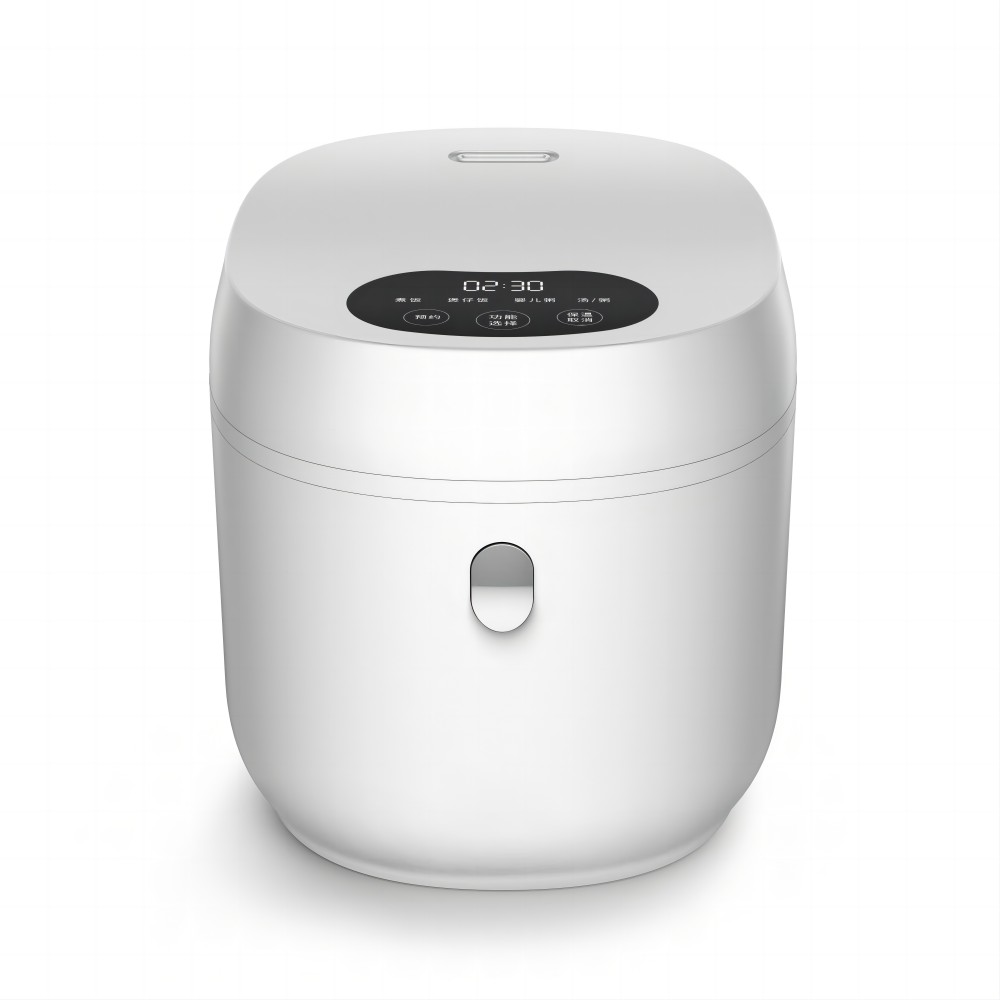
Rice has always been a staple in Chinese cuisine, making rice cookers a natural fit for many households. The adoption of rice cookers in China began in earnest during the late 20th century. Initially, these appliances were basic and affordable, primarily designed to simplify the rice cooking process for busy families. Early Chinese rice cookers were simple electric pots that offered a convenient alternative to traditional stovetop methods, which required constant attention to avoid burning or undercooking.
Over the years, as technology advanced and living standards improved, rice cookers evolved dramatically. Modern Chinese rice cookers now feature intelligent temperature controls and programmable settings tailored to various rice types and cooking preferences. This evolution reflects a broader trend in Chinese kitchen appliances, emphasizing convenience without compromising the quality of traditional dishes.
Today, rice cooker usage in China is widespread. Surveys indicate that a significant majority of urban households own a rice cooker. This prevalence is driven by the appliance’s ability to deliver consistent, perfectly cooked rice with minimal effort. According to recent market data, millions of rice cookers are sold annually in China, reflecting both replacement and new purchases as more families embrace modern cooking conveniences.
Chinese consumers often favor brands that combine advanced features with durability and affordability. Popular rice cooker brands in China include Midea, Supor, and Xiaomi, which offer models ranging from basic to high-end with multifunctional capabilities. The growing middle class and increasing urbanization continue to fuel rice cooker adoption, making them a near-essential kitchen appliance.
Traditional rice cooking in China typically involves using a wok or a heavy-bottomed pot on the stovetop. This method requires skillful attention to water-to-rice ratios and heat control to achieve the desired texture. While many Chinese families still appreciate and use these traditional techniques, rice cookers have become the preferred choice for daily cooking due to their convenience and consistency.
Rice cookers allow users to set and forget, freeing them from constant monitoring. They also reduce the risk of burnt rice or uneven cooking, common issues with stovetop methods. Moreover, rice cookers often come with a "keep warm" function, ensuring rice stays fresh and ready to eat without drying out—a feature highly valued in busy households.
Despite the shift toward modern appliances, traditional rice cooking remains culturally significant, especially during festivals or when preparing special dishes that require precise texture control. In these cases, some cooks still opt for the traditional pot method, highlighting the coexistence of old and new rice cooking practices in China.
Chinese people widely embrace rice cookers because they offer unmatched convenience in daily cooking. Preparing rice on a stovetop requires constant attention to water levels and heat, which can be time-consuming. Rice cookers simplify this by automating the process. Users just add rice and water, press a button, and the appliance takes care of the rest. This "set and forget" feature saves valuable time, especially for busy urban families balancing work and home life.
Moreover, rice cookers often include a "keep warm" function, allowing rice to stay fresh and ready for hours without drying out. This is particularly helpful in Chinese households where meals may be served at varying times. The ability to enjoy perfectly cooked rice anytime adds to the appliance’s appeal.
Modern rice cookers in China have evolved far beyond basic electric pots. Technological innovations have transformed them into intelligent kitchen appliances. Features like induction heating and fuzzy logic technology allow precise temperature control, ensuring rice cooks evenly and retains its natural flavor and texture.
Many models also come with programmable timers, letting users schedule cooking to fit their routines. Some advanced rice cookers even adjust cooking parameters based on the type of rice, such as jasmine, glutinous, or brown rice. This adaptability reflects the diverse rice cooking methods in China and caters to regional preferences.
Chinese manufacturers like Midea and Supor invest heavily in R&D to enhance these functions. Their rice cookers often rival high-end Japanese brands in quality but remain more affordable, making them popular choices among consumers.
China’s vast culinary landscape includes numerous rice varieties and cooking traditions. Rice cookers accommodate this diversity by offering multiple cooking modes. For example, some models have specific settings for sticky rice, congee, or mixed grains.
This versatility meets the demands of different Chinese regions where rice texture and preparation vary significantly. Whether cooking the soft, fluffy rice favored in northern China or the stickier varieties common in the south, rice cookers adjust accordingly. This adaptability makes them indispensable in Chinese kitchens.
Additionally, rice cookers can double as steamers, enabling users to prepare vegetables, fish, or dim sum alongside rice. This multifunctionality aligns well with the Chinese preference for efficient, space-saving kitchen appliances.
Modern rice cookers in China come equipped with intelligent temperature control systems. These systems use advanced sensors and microprocessors to monitor and adjust the heat throughout the cooking process. This precise temperature management ensures the rice cooks evenly, maintaining the perfect texture and flavor that Chinese consumers expect. Unlike older models, which often produced inconsistent results, these smart cookers adapt in real time to factors like rice type and ambient temperature.
For instance, self-developed induction heating technology is common in many Chinese rice cookers, offering rapid and uniform heating. This technology mimics traditional cooking methods by gradually raising the temperature, allowing rice to absorb water fully before steaming. The result is rice that’s fluffy yet sticky enough to suit regional preferences, a key feature in Chinese rice cooker culture.
Another hallmark of modern rice cookers is their programmable timers and customizable settings. Users can schedule cooking to start at a specific time, fitting perfectly into busy lifestyles. This feature is especially popular in urban areas where convenience is a priority. With a simple touch, families can wake up to freshly cooked rice or come home to a ready meal without any hassle.
These cookers often include preset modes tailored to various rice types, such as jasmine, glutinous, brown, or mixed grains. Some even allow users to select rice texture preferences—soft, chewy, or sticky—catering to diverse regional tastes across China. Programmable settings also extend beyond rice, enabling the preparation of dishes like congee or steamed vegetables, reflecting the multifunctional use of rice cookers in Chinese kitchens.
Modern Chinese rice cookers are no longer single-purpose appliances. They have evolved into versatile kitchen tools with multiple cooking functions. Beyond cooking rice, many models offer steaming, slow cooking, braising, and even baking options. This multifunctionality aligns with the trend of space-saving and efficient Chinese kitchen appliances.
For example, steaming functions allow users to prepare dim sum, fish, or vegetables simultaneously with rice. Some advanced cookers include specialized modes like “low sugar” rice cooking or claypot rice simulation, which attempts to recreate traditional textures. There are even models with baking and roasting features, catering to evolving consumer demands for convenience and innovation.
This versatility not only enhances meal variety but also reflects the cultural significance of rice cookers in China. They are trusted appliances that support traditional cooking styles while embracing modern culinary trends.
Rice cookers serve as a clear example of China’s manufacturing prowess. Over the past two decades, Chinese factories have transformed rice cookers from simple, low-cost appliances into technologically advanced products. Early models were basic and affordable but lacked precision. Today, Chinese-made rice cookers boast intelligent temperature controls, programmable settings, and multifunctional capabilities, rivaling high-end international brands.
This evolution highlights China’s ability to innovate and scale production efficiently. Chinese manufacturers have invested heavily in research and development, creating induction heating technology and other features tailored to diverse consumer needs. These advancements demonstrate the strength and adaptability of China’s industrial ecosystem, which supports not only domestic demand but also global markets.
China’s rice cooker industry has experienced significant export growth, becoming a major player in the global market. In 2023 alone, Chinese manufacturers exported approximately 57 million rice cookers, with the United States ranking as one of the top destinations. Despite trade tensions and supply chain challenges, Chinese rice cookers remain competitively priced and feature-rich, helping maintain and expand their international market share.
This success reflects China’s capacity to meet large-scale demand while customizing products for different regions. The ability to deliver high-quality rice cookers at affordable prices has made Chinese brands like Midea and Supor household names worldwide. Their growing presence in foreign markets underscores China’s role as a global manufacturing hub for kitchen appliances.
Technological innovation is at the heart of rising rice cooker demand in China and abroad. Chinese companies continuously enhance product features, including self-developed induction heating, smart sensors, and user-friendly interfaces. These innovations improve cooking precision and convenience, appealing to modern consumers who value efficiency and quality.
Moreover, Chinese manufacturers adapt rice cookers to regional preferences, offering settings for various rice types and cooking styles. This market responsiveness fuels consumer trust and loyalty. As a result, rice cookers have become more than just appliances; they are symbols of China’s manufacturing evolution and technological leadership.
Rice cookers enjoy immense popularity in Japan and South Korea, much like in China. In Japan, rice cookers are considered an essential kitchen appliance, with consumers favoring high-end models featuring advanced technologies such as induction heating and pressure cooking. These features deliver rice with exceptional texture and flavor, meeting the high standards of Japanese cuisine. The export value of Japanese rice cookers to China and other regions has increased significantly, reflecting strong demand for premium appliances tailored to East Asian rice cooking traditions.
Similarly, South Korea embraces rice cookers widely, with many households relying on them for daily meals. Korean rice cooker brands often incorporate multifunctional capabilities, including steaming and slow cooking, which align with their diverse culinary practices. The rice cooker culture in these countries parallels China’s, emphasizing convenience and quality in rice preparation.
In contrast, rice cooker adoption remains relatively low in India and Pakistan despite rice being a staple food. Several cultural and practical factors contribute to this trend:
Preference for stovetop cooking: Most South Asian households prefer cooking rice on the stovetop or using pressure cookers. These methods allow greater control over cooking multiple rice varieties and dishes like biryani and pulao, which involve layering and seasoning.
Rice variety differences: Long-grain rice varieties like Basmati, favored in India and Pakistan, require specific cooking techniques to keep grains separate and fluffy. Many standard rice cookers tend to make these rices sticky or clumped, which is less desirable.
Cultural habits: Cooking rice fresh and hot just before meals is a strong tradition. Rice cookers’ “keep warm” function is less valued, as pre-cooked rice may be seen as less fresh.
Kitchen space and power concerns: Compact kitchens and frequent power outages in some areas reduce the practicality of electric rice cookers. Pressure cookers, which do not rely on electricity and serve multiple cooking purposes, remain more popular.
Perception of rice cookers: Rice cookers are often viewed as single-use appliances, unlike pressure cookers, which are multi-functional and deeply integrated into South Asian cooking practices.
Globally, rice cooker technology continues to evolve, with manufacturers incorporating smart features and multifunctionality to appeal to diverse markets. Trends include:
Smart sensors and AI: New models adjust cooking times and temperatures automatically based on rice type and ambient conditions, ensuring perfect results.
Multifunctional cooking: Beyond rice, cookers now steam, slow cook, bake, and even prepare cakes. This versatility attracts consumers seeking space-saving appliances.
Customization for regional preferences: Brands tailor settings to local rice varieties and textures, such as sticky rice for East Asia and fluffy grains for South Asia, though the latter remains a challenge.
Energy efficiency and compact designs: Manufacturers focus on reducing energy use and creating smaller models suitable for urban kitchens worldwide.
Chinese rice cooker brands are active participants in these global trends, often offering advanced features at competitive prices. Their ability to customize products for different markets reinforces their strong position in the international appliance industry.
Tip: When entering new markets, emphasize rice cooker features that address local rice varieties and cooking habits to improve adoption and customer satisfaction.
Rice cookers are integral in Chinese households, offering convenience and consistency in rice preparation. Their popularity is set to grow with technological advancements and urbanization. The cultural significance of rice cookers remains strong, blending tradition with modernity. Companies like Zhongshan Windspro Electrical Co.,Ltd. emphasize innovative features, enhancing their value in Chinese kitchens. These appliances provide time-saving solutions while adapting to diverse culinary practices, making them indispensable in modern Chinese cuisine.
A: Yes, rice cookers are widely used in Chinese households due to their convenience and ability to cook rice perfectly with minimal effort.
A: Popular rice cooker brands in China include Midea, Supor, and Xiaomi, known for their advanced features and affordability.
A: Rice cookers complement traditional Chinese rice cooking by offering a convenient and consistent alternative to stovetop methods.
A: Rice cookers are popular in China because they save time, offer precise cooking, and adapt to various rice types and textures.


