Ever wondered if you should stir rice in a rice cooker? This common question puzzles many home cooks. Understanding the role of a rice cooker is crucial for achieving perfect rice. In this post, you'll learn about the rice cooker's function and common rice cooking practices to enhance your cooking skills.
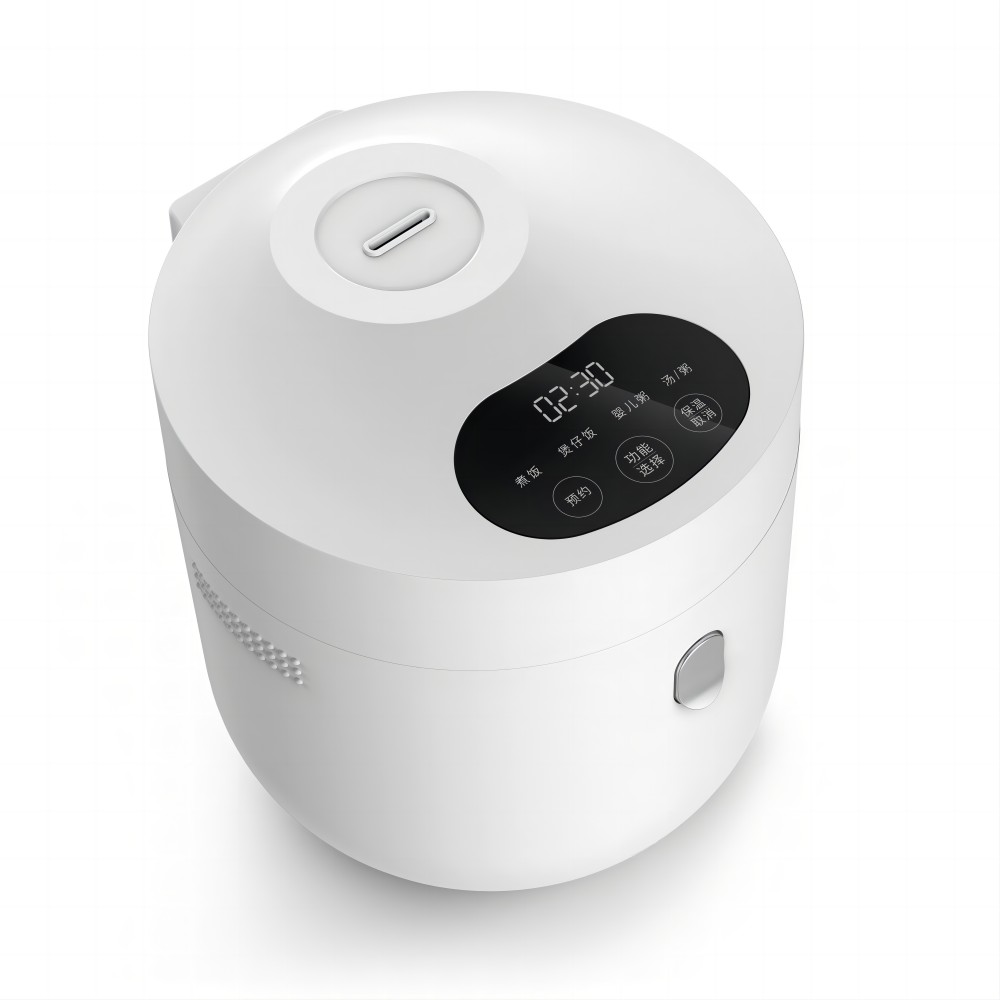
Stirring is a common technique in many cooking methods. It helps distribute heat evenly and prevents food from sticking to the pan. For dishes like risotto or pilaf, stirring is essential to achieve the right texture. However, rice cooking in a rice cooker works differently. The device uses controlled heat and steam to cook rice uniformly without the need for manual stirring.
When you stir rice inside a rice cooker, it can disrupt the cooking process. The rice grains may break or become mushy, especially for delicate types like sushi rice or sticky rice. Stirring also releases starch, which can make the rice overly sticky or clumpy. This effect is undesirable if you want fluffy, separate grains, such as when cooking Mexican rice or brown rice in a rice cooker.
Most rice cooker guides and experts advise against stirring rice during cooking. The automatic cooking process is designed to handle heat and moisture perfectly. Opening the lid or stirring interrupts this balance, potentially leading to uneven cooking or longer cooking times. For example, instant pot rice cooker recipes emphasize minimal interference for best results.
Stirring rice inside the cooker can cause several issues:
Mushy Texture: Breaking grains release excess starch.
Uneven Cooking: Heat distribution gets interrupted.
Rice Cooker Damage: Frequent lid opening or stirring might affect the cooker’s sensor accuracy.
Safety Concerns: Hot steam can cause burns when stirring mid-cycle.
These risks outweigh any perceived benefits of stirring rice in a rice cooker.
To get perfect rice without stirring, follow these rice cooker tips:
Rinse Rice: Wash rice before cooking to remove excess starch.
Use Correct Water Ratio: Follow the rice cooker setup instructions for your rice type.
Avoid Opening the Lid: Let the cooker complete its cycle uninterrupted.
Let Rice Rest: After cooking, allow rice to sit with the lid closed for 10-15 minutes. This helps steam finish the cooking and improves texture.
Fluff After Cooking: Use a fork or paddle to gently fluff the rice before serving.
These practices ensure your rice cooker for sushi, sticky rice, or brown rice delivers consistent, high-quality results without stirring.
A rice cooker simplifies the cooking process by automating heat and moisture control. Inside, a heating element warms the cooking pot. The pot contains rice and water, and as the water heats, it turns into steam. This steam cooks the rice evenly. The inner pot usually has a non-stick coating to prevent rice from sticking and burning. Some advanced models, like an instant pot rice cooker or a rice cooker slow cooker combo, offer additional functions beyond basic rice cooking.
The rice cooker uses sensors to monitor temperature changes. When you start the cooker, it heats until the water reaches boiling point. As the water evaporates and the temperature rises above 212°F (100°C), the cooker detects this change. This signals that the rice has absorbed the water and the cooking cycle is nearly complete. At this point, the cooker switches to a "keep warm" mode automatically. This hands-off process means you don’t need to stir or watch the rice, making it ideal for busy kitchens.
Temperature control is key to perfect rice. The rice cooker maintains consistent heat, preventing overcooking or burning. Timing varies depending on rice type—white rice cooks faster than brown rice, for example. A rice cooker for brown rice adjusts cooking time and temperature accordingly. Some models allow users to select settings for specific rice types, such as sushi rice or sticky rice, ensuring optimal texture and flavor. This precision is difficult to achieve on a stovetop without constant attention.
One of the most frequent mistakes in rice cooker setup is overfilling the cooking pot. Every rice cooker model has a maximum capacity, usually marked inside the pot. Exceeding this limit can cause water and rice to spill over during cooking. This not only creates a mess but also affects the cooker’s heating efficiency. Overfilled pots may result in unevenly cooked rice, with some grains undercooked while others turn mushy. For example, when using a sushi rice cooker or a rice cooker for brown rice, sticking to the recommended capacity ensures consistent texture and flavor.
Another common error is using the wrong water to rice ratio. Different rice types require specific amounts of water to cook properly. For instance, sticky rice or sushi rice often needs less water than long-grain rice used in Mexican rice cooker recipes. Using too much water leads to soggy, mushy rice, while too little water leaves rice undercooked and hard. Many rice cookers come with measuring lines or cups and a rice cooker guide to help users get this ratio right. Following these instructions is crucial, especially when cooking instant rice in a rice cooker or trying out recipes on an instant pot rice cooker.
Opening the rice cooker lid during the cooking cycle is a mistake that disrupts the cooking process. The rice cooker relies on steam and temperature control to cook rice evenly. Lifting the lid releases steam and lowers the temperature inside, which can extend cooking time and result in unevenly cooked rice. This is particularly important when cooking delicate rice types like sushi rice or sticky rice, where precise temperature control matters. Additionally, frequent lid opening can confuse the cooker’s sensors, affecting its automatic cooking process and potentially causing the cooker to switch modes prematurely.
A rice cooker offers unmatched convenience, especially for busy households or commercial kitchens. Once you complete the initial rice cooker setup—measuring rice and water accurately, rinsing the rice, and starting the cooker—you can walk away. The automatic cooking process means no constant monitoring or stirring is necessary. Whether you use a basic rice cooker or an advanced instant pot rice cooker model, the device handles temperature and timing on its own. This ease of use makes it perfect for cooking various rice types, including sticky rice, sushi rice, or brown rice, without needing expert skills.
One of the main benefits of a rice cooker is its ability to deliver consistent, perfectly cooked rice every time. The precise temperature control and timing adjustments prevent undercooked or overcooked rice. For example, a rice cooker for sushi rice maintains the delicate texture required for sushi rolls, while a mexican rice cooker setting can help achieve the ideal fluffy yet slightly moist grains. This consistency is difficult to replicate on a stovetop, where heat distribution and timing can vary. Using a rice cooker guide or following manufacturer instructions ensures you get the best results tailored to your rice variety.
Modern rice cookers are more than just rice cookers. Many models, including rice cooker slow cooker combos, allow you to prepare a variety of dishes beyond rice. You can cook instant rice in a rice cooker, steam vegetables, or even make soups and stews. This versatility makes the rice cooker a valuable kitchen appliance for saving time and space. For instance, using the slow cooker function, you can prepare Mexican rice dishes or other recipes that benefit from slow, even cooking. This multifunctionality adds value and convenience, making it a worthwhile investment for diverse cooking needs.
Tip: Regular rice cooker maintenance, such as cleaning the inner pot and checking the lid seal, ensures your appliance performs reliably and extends its lifespan.
Choosing the right rice variety is essential for perfect results in your rice cooker. Different dishes call for specific rice types. For example, a rice cooker for sushi or a sushi rice cooker is designed to handle short-grain rice, which is stickier and ideal for sushi rice recipes. Brown rice requires longer cooking times and more water, so a rice cooker for brown rice or models with brown rice settings are preferable. Sticky rice, often used in Asian cuisine, needs less water and a different cooking method, which some rice cookers support with specialized sticky rice settings. If you’re making Mexican rice, long-grain rice varieties work best, and some mexican rice cooker recipes suggest slightly different water ratios or cooking times.
Knowing your rice type helps you follow the right rice cooker setup and water ratios, ensuring fluffy, well-cooked rice every time.
Rinsing rice before cooking is a simple but crucial rice cooker tip. Washing rice removes excess surface starch, which can cause the rice to become overly sticky or clump together. For sushi rice or sticky rice, rinsing is especially important to achieve the desired texture. To rinse, place the rice in a bowl or the rice cooker pot and add cold water. Swirl the rice gently, then drain the cloudy water. Repeat this process 2 to 3 times until the water runs clearer.
Rinsing also helps remove impurities and dust, improving the rice’s flavor and appearance. This step is part of a good rice cooker guide and should never be skipped, regardless of rice type.
Once the rice cooker finishes its cycle, resist the temptation to open the lid immediately. Allowing rice to rest for 10 to 15 minutes with the lid closed lets the steam evenly distribute moisture. This resting period helps the rice grains firm up and separate, enhancing texture and flavor. For sticky rice or sushi rice, resting is vital to maintain the perfect stickiness without becoming mushy.
During this time, the rice cooker’s keep-warm function often maintains a gentle heat, preventing the rice from cooling too quickly. After resting, gently fluff the rice with a fork or rice paddle to separate grains before serving.
Stirring rice in a rice cooker disrupts the cooking process, leading to mushy or unevenly cooked rice. Experts advise against it to maintain optimal texture. Following best practices, like rinsing rice and using correct water ratios, ensures perfect results. Zhongshan Windspro Electrical Co.,Ltd.'s rice cookers offer advanced features that automate cooking, providing consistent, high-quality rice effortlessly. Their products are designed to enhance the cooking experience, making them a valuable addition to any kitchen.
A: No, stirring rice in a rice cooker can disrupt the cooking process, leading to broken grains and mushy texture. The rice cooker is designed to cook rice evenly without stirring.
A: Stirring rice can cause mushy texture, uneven cooking, and may affect the rice cooker's sensor accuracy. It also poses safety risks due to hot steam exposure.
A: Follow rice cooker tips such as rinsing rice, using the correct water ratio, avoiding lid opening during cooking, and allowing rice to rest after the cycle.


