Ever wondered why your rice turns out sticky? Washing rice is crucial for perfect texture and taste. The rice washing bowl simplifies this process, ensuring fluffy rice every time. In this post, you'll learn how to use a rice washing bowl effectively, enhancing your rice cooker experience.
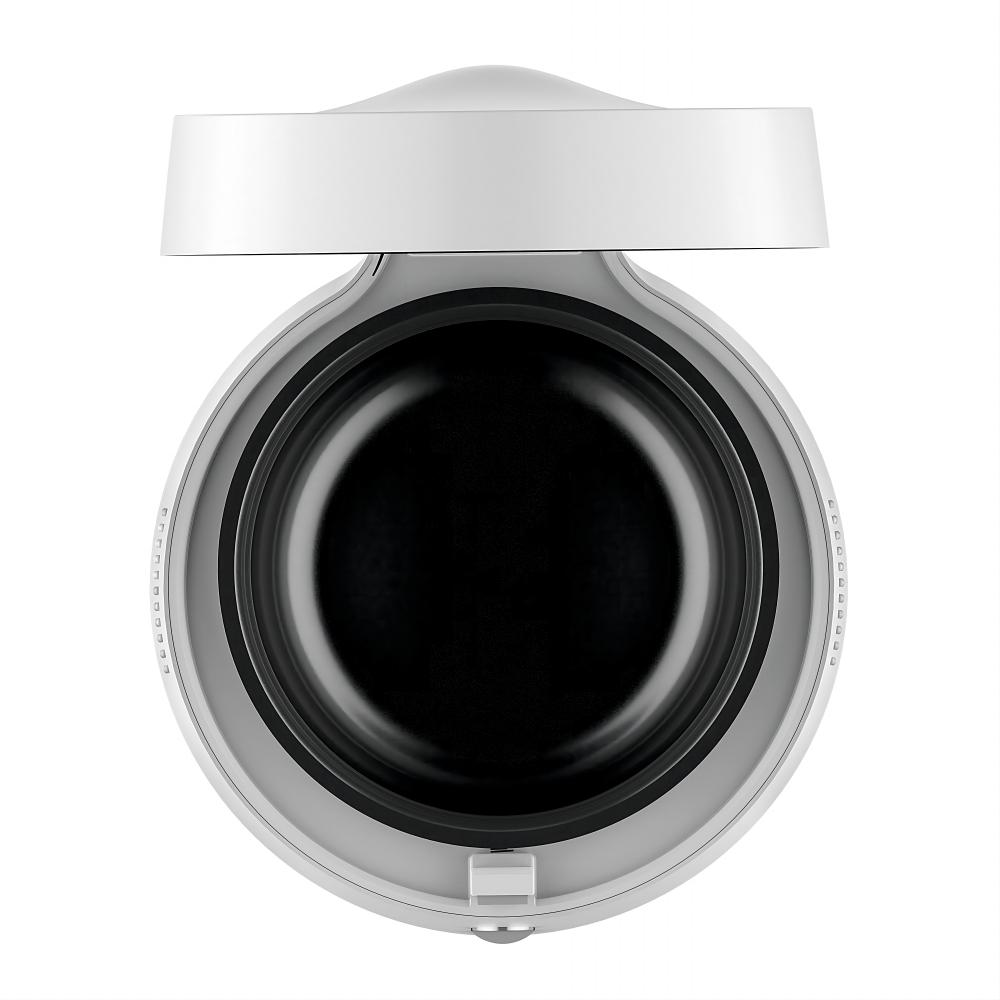
A rice washing bowl is specially designed to make the rice preparation process easier and more effective. Unlike regular bowls, it often includes features like a built-in strainer or fine holes along the sides or bottom. These allow you to rinse the rice thoroughly without losing any grains during the washing process. The bowl’s shape typically aids in swirling the rice gently, which helps remove excess starch and impurities.
Materials used for rice washing bowls vary, but common options include durable plastic, stainless steel, or bamboo. Plastic bowls are lightweight and affordable, while stainless steel versions offer durability and easy cleaning. Some bowls even have handles for better grip and stability during washing.
Using a rice washing bowl offers several advantages over traditional methods. First, it simplifies the task of washing rice properly, ensuring the grains don’t spill down the drain when rinsing. This helps maintain the quantity of rice and reduces waste.
Second, the bowl’s design promotes even washing, which improves the rice’s texture and taste after cooking. By effectively removing surface starch, the rice becomes less sticky and fluffier—perfect for cooking with a rice cooker.
Third, it speeds up the rice preparation process. Instead of multiple transfers between a regular bowl and a strainer, you can wash and drain rice efficiently in one tool. This is especially helpful in busy kitchens or for those who cook rice frequently.
Finally, a rice washing bowl is easy to clean and maintain. Most are dishwasher safe or can be quickly rinsed by hand. This convenience encourages regular rice washing, contributing to healthier, better-tasting meals.
Using a rice washing bowl makes the rice preparation process straightforward and efficient. Here’s how to wash rice properly in a rice washing bowl:
Measure the Rice: Start by measuring the amount of rice you want to cook. Pour it into the rice washing bowl.
Add Water: Fill the bowl with cold water until the rice is fully submerged.
Gently Swirl: Use your hand to gently swirl the rice in the water. This loosens surface starch and removes dirt or impurities.
Drain Water: Tilt the bowl to drain the cloudy water through the built-in strainer or holes. This prevents losing any grains.
Repeat Rinsing: Refill the bowl with fresh water and repeat the swirling and draining steps 2–3 times. The water should become clearer each time.
Final Drain: After the last rinse, drain all the water completely. Your rice is now clean and ready for cooking.
Rinsing Too Vigorously: Scrubbing rice harshly can break grains, resulting in mushy texture.
Skipping Multiple Rinses: Washing only once leaves excess starch, making rice sticky.
Using Hot Water: Always use cold or room temperature water; hot water can start cooking the rice prematurely.
Losing Grains: Avoid tilting the bowl too quickly or using a bowl without a proper strainer, which can cause rice loss.
Use gentle swirling motions rather than vigorous rubbing.
Rinse rice until water runs mostly clear for fluffier results.
Let rice soak for 20-30 minutes after washing to improve texture.
Always use a rice washing bowl with a fine mesh or holes to prevent grain loss.
Once your rice is washed properly, transfer it to the rice cooker’s inner pot. Add the recommended water amount based on your rice cooker’s instructions and rice type. Properly washed rice cooks evenly in the rice cooker, resulting in a fluffy, non-sticky texture. This enhances the overall cooking experience and final dish quality.
To keep your rice washing bowl in good condition:
Rinse it immediately after use to prevent starch buildup.
Wash with mild detergent and warm water.
For plastic bowls, avoid abrasive scrubbers to prevent scratches.
Stainless steel bowls can be cleaned with vinegar or baking soda for stubborn stains.
Most rice washing bowls are dishwasher safe, but check manufacturer instructions.
Regular cleaning ensures hygiene and prolongs the bowl’s lifespan.
Traditional rice washing usually involves using a regular bowl or pot to rinse rice. You add water, swirl the rice by hand, then carefully pour out the cloudy water while trying not to lose any grains. This method works but can be messy and inefficient. It often requires extra care to prevent rice from spilling down the drain. Without a proper strainer, some rice grains inevitably get lost.
In contrast, using a rice washing bowl simplifies this process. Its built-in strainer or holes allow you to drain water easily without losing any rice. The bowl’s design supports gentle swirling, which helps remove surface starch and impurities more effectively. This targeted rice washing technique ensures cleaner rice, which is ideal for cooking in a rice cooker.
Using a rice washing bowl saves time. Traditional methods often require multiple careful pours and transfers between bowls or strainers. This back-and-forth can take longer and increase the chance of spillage. A rice washing bowl combines washing and draining in one tool, speeding up the rice preparation process.
Effectiveness also improves. The bowl’s features promote thorough rinsing, removing excess starch that causes sticky rice. Cleaner rice cooks more evenly, especially in a rice cooker, resulting in better texture and taste. This efficiency makes the rice washing bowl a preferred choice for busy kitchens or anyone seeking easy rice washing steps.
Choosing the right material for your rice washing bowl impacts durability, ease of use, and cleaning. Common materials include:
Plastic: Lightweight and affordable, plastic bowls are easy to handle and often come with built-in strainers. They are ideal for everyday use but may scratch or stain over time.
Stainless Steel: These bowls offer excellent durability and resist stains and odors. They are dishwasher safe and easy to sanitize, making them a hygienic choice for frequent rice washing.
Bamboo or Wood: Traditional and eco-friendly, bamboo bowls provide a natural aesthetic. However, they require more care and may absorb water, affecting longevity.
Ceramic: Less common but stylish, ceramic bowls can be heavy and fragile, so they are less practical for vigorous rice washing techniques.
Selecting a material depends on your kitchen routine and cleaning preferences. For those using a rice cooker regularly, stainless steel or high-quality plastic bowls often provide the best balance of durability and convenience.
Rice washing bowls come in various sizes to suit different cooking needs:
Small (1-2 cups capacity): Perfect for singles or small families. Easy to handle and store.
Medium (3-5 cups capacity): Suitable for most households, balancing capacity and ease of use.
Large (6 cups or more): Ideal for batch cooking or larger families, but can be bulky and harder to maneuver.
When choosing a size, consider how much rice you usually cook and the space available near your rice cooker. A bowl too small means multiple washes; too large may be cumbersome.
Price often reflects the material quality and design features of rice washing bowls. Budget-friendly bowls are typically plastic with simpler designs. Mid-range options may include better-quality plastic or stainless steel with enhanced strainers. Premium bowls might offer ergonomic handles, finer mesh strainers, or multipurpose uses.
Investing in a quality rice washing bowl ensures it lasts longer and performs better, which can save time and reduce rice wastage. For frequent rice cooker users, a well-made bowl enhances the rice preparation process and overall meal quality.
Washing rice properly plays a crucial role in determining its final texture and taste. When you rinse rice in a rice washing bowl, you remove excess surface starch that naturally coats the grains. This starch, if left on, causes the rice to become sticky and clump together during cooking. By using gentle rice washing techniques, you ensure the grains remain separate and fluffy once cooked.
Additionally, washing rice helps eliminate impurities like dust, dirt, or small debris that may be present. Clean rice yields a purer flavor, enhancing the natural taste of the grain. This is especially important when cooking delicate rice varieties such as jasmine or basmati, where texture and aroma are key to the dish’s quality.
The rice preparation process, starting with effective cleaning, impacts not only texture but also how evenly the rice cooks. Properly washed rice absorbs water consistently, preventing uneven cooking or mushy spots. This is vital when using a rice cooker, which relies on precise water-to-rice ratios for optimal results.
Using a rice washing bowl complements the rice cooker perfectly. Once the rice is cleaned thoroughly, it is ready to be transferred to the rice cooker’s inner pot. Because the rice is free of excess starch and impurities, it cooks more evenly and produces a fluffier, less sticky final product.
Rice cookers work by controlling temperature and moisture precisely. When rice is washed well, the cooker can optimize its steaming and absorption phases, resulting in better texture and taste. Moreover, washing rice properly reduces residue buildup inside the rice cooker pot, making cleanup easier and extending the appliance’s lifespan.
For best results, follow your rice cooker’s water guidelines after washing. Some rice types may require soaking after washing, which further improves texture. The combination of effective rice washing and the rice cooker’s technology ensures a consistently delicious meal with minimal effort.
Tip: Properly washing rice in a rice washing bowl enhances the rice cooker’s performance, producing fluffy, evenly cooked rice with improved flavor and texture every time.
A rice washing bowl simplifies rice preparation by preventing grain loss and ensuring even rinsing. Its design promotes efficient washing, enhancing rice texture and taste. Using a rice washing bowl with a rice cooker improves cooking results, producing fluffy, non-sticky rice. Consider trying a rice washing bowl from Zhongshan Windspro Electrical Co.,Ltd. for a convenient and effective solution. Their products offer unique benefits, providing value to anyone seeking to enhance their rice cooking experience.
A: A rice washing bowl simplifies the rice preparation process by allowing you to rinse rice thoroughly without losing grains. It features built-in strainers or holes to drain water efficiently, making it ideal for preparing rice for a rice cooker.
A: To wash rice using a rice washing bowl, measure the rice, add water, gently swirl to loosen starch, and drain the water through the bowl's strainer. Repeat the process until the water runs clear, then transfer the rice to your rice cooker.
A: Washing rice removes excess starch and impurities, which can cause sticky or unevenly cooked rice. Properly washed rice ensures a fluffier texture and better taste when cooked in a rice cooker.
A: While you can use any bowl, a rice washing bowl is designed for efficiency. Its built-in strainer prevents grain loss and promotes even rinsing, making it a more effective choice for preparing rice for a rice cooker.
A: Use gentle swirling motions to avoid breaking grains, rinse until the water is clear, and choose a bowl with a fine mesh strainer to prevent rice loss. This ensures the best results when cooking with a rice cooker.


