Cooking rice perfectly can be a challenge. Is it better to boil rice or use a rice cooker? This question sparks debate among home cooks. Understanding the basics of cooking rice is crucial for delicious results. This article explores the pros and cons of boiling rice versus using a rice cooker. In this post, you'll learn about each method's time efficiency, texture consistency, and energy consumption. Discover which technique suits your lifestyle and preferences best.
Boiling rice is a classic, stovetop method many people use worldwide. Here’s a simple step-by-step guide:
Measure the rice: Use a measuring cup to ensure the right amount.
Rinse the rice: Rinse under cold water until the water runs clear to remove excess starch.
Boil water: Bring a large pot of water to a rolling boil.
Add rice: Stir the rice into the boiling water.
Cook: Let it boil uncovered for about 10 minutes or until the rice is tender but still firm.
Drain: Pour the rice into a sieve or colander to drain the excess water.
Steam: Cover the rice and let it rest for 5-10 minutes to absorb remaining moisture.
This method resembles how many cook rice traditionally, often compared to rice cooker vs pot techniques.
Boiling rice offers some clear advantages:
Pros:
Simple and requires no special equipment.
Easy to cook large quantities.
Allows control over texture by adjusting cooking time.
Cons:
Can be inconsistent; rice may turn mushy or undercooked.
Requires attention to avoid overcooking or burning.
More energy-consuming compared to electric rice cookers.
Less convenient for multitasking in the kitchen.
When comparing rice cooker pros and cons, boiling lacks the automated convenience and consistency rice cookers provide.
Many people struggle with boiling rice due to these common errors:
Using too much water: Leads to soggy rice. Use just enough to cover the rice or follow the recommended ratio.
Not rinsing rice: Causes sticky, clumpy rice because of excess starch.
Overcooking: Boiling too long can make rice mushy and lose texture.
Skipping the resting step: Rice may be unevenly cooked or dry without steaming after draining.
Avoid these pitfalls by following the steps carefully. This helps when weighing rice cooker vs stovetop options since the stovetop method demands more attention.
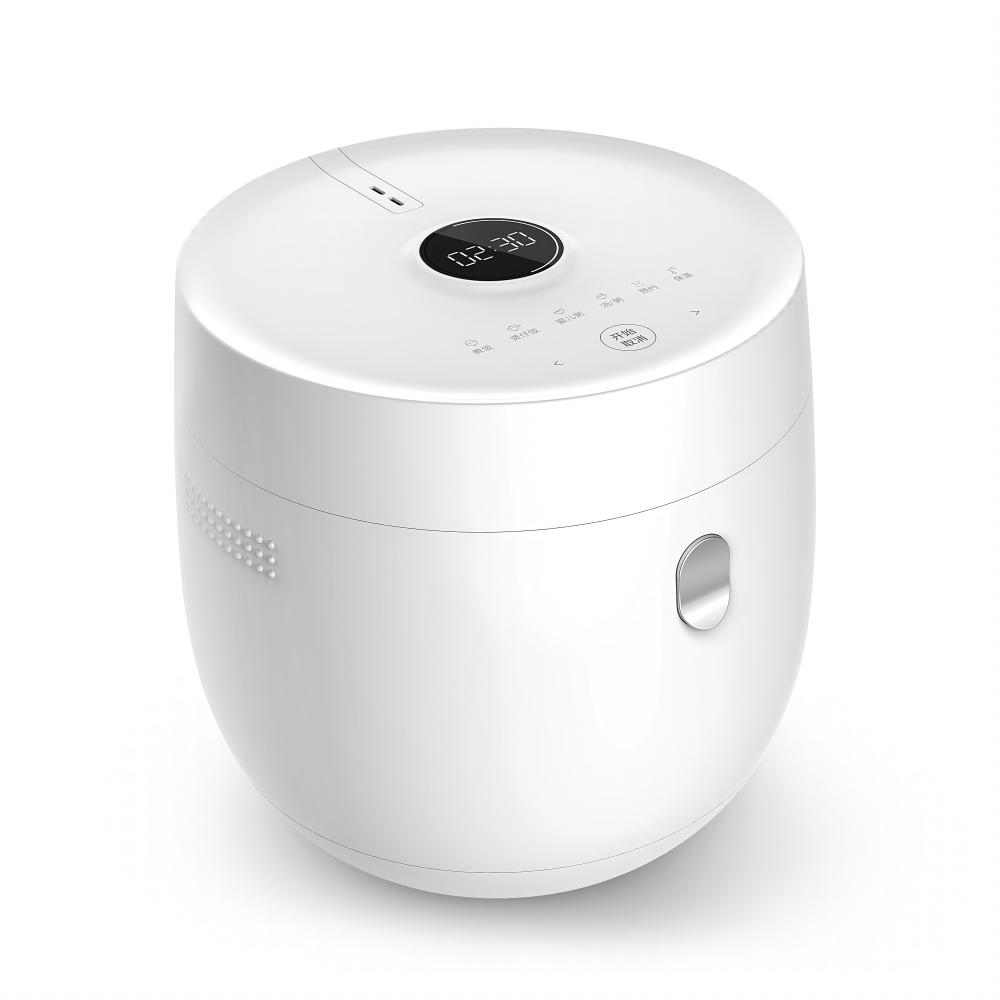
A rice cooker simplifies rice preparation by automating the cooking process. It uses an electric heating element and a built-in thermostat to cook rice perfectly. When you add rice and water in the right proportions and turn it on, the cooker heats the water until it boils. As the water absorbs into the rice, the temperature rises, triggering the cooker to switch to a “keep warm” mode. This automatic control prevents overcooking or burning, a common issue in rice cooker vs stovetop comparisons.
Most rice cookers have a non-stick inner pot, making cleanup easier than traditional pot methods. Some advanced models include fuzzy logic technology, adjusting cooking times based on rice type and moisture levels for consistent results. This makes them ideal for beginners learning how to cook rice in a rice cooker.
The benefits of using a rice cooker extend beyond convenience:
Consistent Texture: It produces evenly cooked rice every time, avoiding mushy or undercooked grains common in boiling.
Hands-Free Cooking: You can multitask without monitoring the pot, freeing you for other kitchen tasks.
Versatility: Many models offer settings for different rice types, steaming vegetables, or even slow cooking, making rice cooker vs slow cooker comparisons relevant.
Energy Efficient: Rice cookers typically use less energy than boiling rice on the stovetop, supporting eco-friendly cooking.
Time Saving: Although some methods like pressure cookers cook faster, rice cookers strike a balance between speed and quality.
Safety: Automatic shut-off reduces the risk of burning or accidents, unlike stovetop methods.
These rice cooker advantages highlight why many prefer them over traditional cooking methods.
Despite many benefits, rice cookers have some downsides:
Initial Cost: Quality rice cookers can be expensive compared to a simple pot.
Counter Space: They require dedicated space in your kitchen.
Single Purpose: Basic models focus mainly on rice; more versatile appliances like instant pots combine multiple functions.
Learning Curve: Some users find it tricky to perfect water-to-rice ratios initially.
Texture Limitations: While consistent, some cooks feel rice lacks the nuanced texture achieved by stovetop steaming or boiling.
When comparing rice cooker vs traditional cooking, these factors help decide which suits your lifestyle.
There’s a variety of rice cookers tailored to different needs:
| Type | Features | Best For |
|---|---|---|
| Basic Electric | Simple on/off switch, non-stick pot | Beginners, budget-conscious |
| Fuzzy Logic | Adjusts cooking based on sensor data | Rice enthusiasts |
| Micom (Microcomputer) | Multiple cooking settings, timer functions | Versatile home cooks |
| Induction Heating | Even heat distribution, precise temperature | Gourmet cooking |
| Multi-Cookers | Combine rice cooking with pressure or slow cooking | Those comparing rice cooker vs instant pot or pressure cooker |
Choosing the best rice cooker for beginners depends on budget, desired features, and cooking habits. Understanding these types aids in a smart rice cooker comparison.
When comparing rice cooker vs boiling rice, time efficiency varies depending on the method and type of rice. Boiling rice on the stovetop typically takes around 15 to 20 minutes, including preparation and resting time. In contrast, a rice cooker often requires 20 to 30 minutes but demands less active involvement since it cooks automatically. While pressure cookers or instant pots can cook rice faster, rice cookers offer a balanced cooking time that suits many households.
One of the biggest rice cooker advantages is consistent texture. Rice cookers regulate temperature and cooking time precisely, preventing undercooked or mushy rice. Boiling rice can yield varied results, especially for beginners, due to manual timing and water control. The rice cooker vs stovetop debate often highlights this point: rice cookers produce fluffy, evenly cooked rice, while boiling may result in uneven texture or clumps. Additionally, rice cooker vs steaming comparisons show rice cookers can mimic steaming effects without extra equipment.
Energy efficiency is a key factor in rice cooker vs traditional cooking discussions. Rice cookers generally consume less energy than boiling rice on a stovetop because they use insulated pots and automatic shut-off features. Boiling requires continuous high heat, which can be less eco-friendly. Compared to microwaves or slow cookers, rice cookers strike a good balance between energy use and cooking quality.
Boiling rice requires minimal upfront investment—just a pot and stove. Rice cookers, especially advanced models, can cost anywhere from $20 to over $200. However, their durability and energy efficiency may save money long-term. For beginners, the best rice cooker for beginners models offer affordability without sacrificing quality. When comparing rice cooker vs instant pot or pressure cooker, rice cookers tend to be less expensive but less versatile.
Flavor nuances can differ between rice cooker vs pot or boiling methods. Rice cookers often lock in moisture and aroma, enhancing flavor. Boiling rice may lose some nutrients and subtle tastes due to water draining. Some cooks prefer stovetop or steaming methods for a more traditional flavor profile. Ultimately, personal preference plays a role, but rice cookers provide a reliable, tasty outcome with less effort.
When it comes to nutrition, the cooking method can impact the vitamins and minerals in rice. Boiling rice often involves draining excess water, which can wash away some water-soluble nutrients like B vitamins and minerals. This loss is a common concern in the rice cooker vs boiling rice debate. In contrast, rice cookers cook rice by absorbing all the water, helping retain more nutrients. The sealed environment in a rice cooker also preserves the natural flavors and nutrients better than boiling.
Safety is an important factor in rice cooker vs stovetop comparisons. Boiling rice on a stovetop requires constant attention to prevent overflows or burning. There’s also a risk of burns from hot water or steam. Rice cookers reduce these risks by automating the process and shutting off when cooking is complete. Many models include safety features like cool-touch exteriors and non-slip bases. Additionally, rice cookers eliminate the need to handle boiling water, making them safer for beginners or busy kitchens.
Different cooking methods can suit various dietary preferences. For example, those following low-sodium diets benefit from rice cookers since they don’t require draining water, which can remove added salt or flavorings. People who prefer firmer rice textures might favor boiling rice, as it allows more control over doneness. Rice cooker vs traditional cooking discussions often highlight how rice cookers offer preset options for brown rice, sushi rice, or porridge, catering to diverse dietary needs. This versatility supports healthier eating habits by making it easier to prepare whole grains and specialty rice types.
Deciding between using a rice cooker or boiling rice boils down to your specific needs and kitchen habits. Consider these factors:
Convenience: Rice cookers offer hands-free cooking, perfect if you multitask. Boiling requires more attention.
Kitchen Space: A rice cooker takes countertop or storage space. If limited, stovetop boiling might suit better.
Budget: Basic pots cost less upfront. Rice cookers vary from affordable to premium prices depending on features.
Cooking Volume: Boiling large batches is easier in a pot. Rice cookers have capacity limits.
Desired Texture: If you prefer precise texture control, boiling allows manual adjustments. Rice cookers provide consistent but less customizable results.
Energy Use: Rice cookers are generally more energy efficient than stovetop boiling.
Versatility: Some rice cookers double as slow cookers or steamers, providing added value.
These points help weigh rice cooker vs boiling rice or rice cooker vs traditional cooking choices.
Your daily routine and taste preferences influence the best method:
Busy Lifestyles: Rice cookers suit those who want set-it-and-forget-it ease.
Cooking Enthusiasts: Those who enjoy hands-on control might lean toward boiling or stovetop methods.
Dietary Needs: Rice cookers often have settings for brown rice or porridge, supporting varied diets.
Space and Portability: If you move frequently or have a small kitchen, a compact rice cooker or pot might be better.
Experimentation: Some prefer the flavor nuances from stovetop steaming or boiling, while others value the consistency of rice cooker advantages.
Understanding your lifestyle helps select the best rice cooker or traditional method to fit your routine.
If you’re new to cooking rice, here are some helpful tips:
Start Simple: Use a basic rice cooker model or follow a straightforward boiling method.
Measure Accurately: Use the measuring cup and water level marks included with rice cookers.
Rinse Rice: Always rinse rice to remove excess starch and prevent clumping.
Follow Instructions: Whether boiling or using a rice cooker, follow recommended water-to-rice ratios.
Experiment Gradually: Try different rice types and cooking times to find your preferred texture.
Use the Keep Warm Feature: Rice cookers often have this function, which keeps rice fresh without overcooking.
Clean Properly: Regularly clean your rice cooker’s inner pot or pot used for boiling to maintain quality.
For those comparing rice cooker vs instant pot or rice cooker vs pressure cooker, starting with a dedicated rice cooker can simplify the learning curve.
Tip: Choose a rice cooker with clear instructions and preset functions if you are a beginner, ensuring consistent, hassle-free rice cooking every time.
Boiling rice and using a rice cooker each offer unique advantages. Boiling provides control over texture but requires attention. Rice cookers offer consistent results with convenience and energy efficiency. For those interested in exploring both methods, experimenting can help identify personal preferences. Zhongshan Windspro Electrical Co.,Ltd. offers innovative rice cookers that simplify cooking, providing reliable and flavorful results. Their products are designed to enhance your cooking experience, making them a valuable addition to any kitchen.
A: A rice cooker offers consistent texture, hands-free cooking, and energy efficiency compared to boiling rice, making it more convenient for multitasking and eco-friendly cooking.
A: Rice cookers provide automatic control and consistent results, while traditional methods like boiling require more attention and can lead to inconsistent texture.
A: Yes, rice cookers generally consume less energy due to insulated pots and automatic shut-off features, unlike continuous high heat required for stovetop boiling.
A: Rice cookers offer convenience and consistency but require counter space and initial cost, while pots are inexpensive but demand more attention and can result in uneven cooking.
A: Yes, rice cookers are beginner-friendly, with clear instructions and preset functions that simplify the cooking process, ensuring consistent results.


