Ever struggled with cooking rice perfectly? The 5 5 5 rule simplifies this process, ensuring fluffy results every time. Understanding this method is crucial for consistent rice cooking. In this article, you'll learn the 5 5 5 rule, its benefits, and how rice cookers enhance this technique.
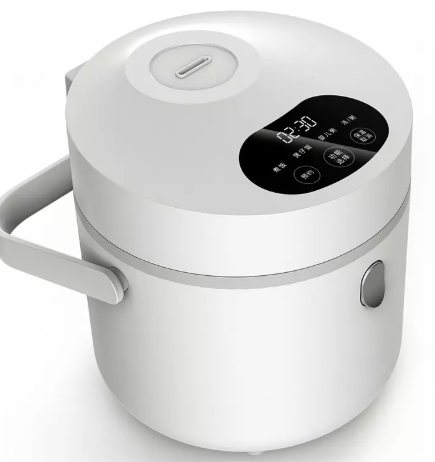
The 5 5 5 rule for rice is a simple and effective rice cooking technique designed to help achieve perfectly cooked rice every time. Although not as widely known as traditional water-to-rice ratios, this rule provides an easy-to-remember guideline that balances water, cooking time, and resting period. The origin of the 5 5 5 rule is somewhat informal, often shared among home cooks and culinary enthusiasts who seek consistency without complex measurements.
The 5 5 5 rule breaks down the rice cooking process into three equal parts:
5 cups of water (or a specific water ratio depending on rice type)
5 minutes of cooking time (initial high heat phase)
5 minutes of resting time (letting rice steam off heat)
While the “5 cups of water” may vary depending on the type of rice and quantity, the core idea is to maintain a balanced approach:
| Step | Duration/Amount | Purpose |
|---|---|---|
| Water Addition | 5 parts (adjustable) | Hydrates rice for even cooking |
| Cooking Time | 5 minutes (initial boil) | Activates starch gelatinization |
| Resting Time | 5 minutes | Allows moisture redistribution |
This rule emphasizes not only the cooking but also the resting phase, crucial for fluffy, non-sticky rice.
Using the 5 5 5 rule helps simplify rice preparation methods, especially for beginners. It promotes:
Consistent results: Following a clear structure reduces guesswork.
Balanced texture: Proper hydration and resting produce fluffy rice.
Time efficiency: It offers a straightforward timeline for cooking rice perfectly.
Versatility: It can be adapted for different rice types and cooking equipment, including rice cookers.
Some believe the 5 5 5 rule is a strict formula applicable to all rice types. However, rice varieties differ in water absorption, so adjustments may be necessary. Another misconception is that the rule replaces traditional measurements, but it’s best viewed as a guideline within a broader rice cooking guide.
Traditional rice cooking methods often focus on water-to-rice ratios like 2:1 or 1.5:1, depending on rice type. The 5 5 5 rule adds the resting phase as a key step, often overlooked in other techniques. Compared to rice cooker instructions, which vary by model, this rule provides a simple, manual approach that can be adapted whether using a rice cooker or stovetop.
| Method | Focus | Pros | Cons |
|---|---|---|---|
| Water-to-Rice Ratio | Precise water measurement | Accurate hydration | Can be confusing for beginners |
| Rice Cooker Settings | Automated cooking | Convenience and consistency | Model-dependent |
| 5 5 5 Rule | Balanced time and water | Easy to remember, consistent | May need adjustment per rice |
Understanding rice cooking rules like the 5 5 5 rule can elevate your rice preparation techniques and help you master the art of cooking rice perfectly.
Before you start cooking, ensure your rice cooker is clean and ready. Wipe the inner pot to remove any residue or dust. This step helps prevent rice from sticking and ensures even heat distribution. If your rice cooker has a non-stick coating, avoid using metal utensils that can scratch the surface. Proper preparation of the rice cooker is a foundational rice cooking tip that sets you up for success.
Accurate measurement of rice and water is crucial when applying the 5 5 5 rule. While the rule suggests "5 cups of water," this is adaptable based on the amount and type of rice you use. Use a standard measuring cup for consistency. For example, if you cook 1 cup of long-grain white rice, start with about 1.5 cups of water, adjusting slightly according to your rice cooker’s recommendations. Rinsing rice before measuring removes excess starch, preventing clumping and improving texture.
The 5 5 5 rule emphasizes 5 minutes of active cooking at high heat. In a rice cooker, this corresponds to the initial cooking phase when the cooker heats the water to a boil and begins steaming the rice. Most rice cookers handle this automatically, but if yours has manual settings, set it to cook for about 5 minutes on high heat before switching to a lower or keep-warm mode. This step activates starch gelatinization, essential for fluffy rice.
Although rice cookers are designed for convenience, monitoring the cooking process helps ensure optimal results. Avoid opening the lid during cooking, as this releases steam and can affect texture. If your model has a transparent lid, you can visually check progress without lifting it. The 5 5 5 rule’s resting phase is especially important here; once cooking finishes, let the rice sit inside the cooker for 5 minutes without opening the lid. This allows moisture to redistribute evenly.
After the resting period, gently fluff the rice with a rice paddle or fork to separate grains without crushing them. This final step enhances the texture, making the rice light and airy. If desired, you can add flavor enhancers like a pinch of salt, butter, or herbs at this stage. Serving immediately ensures the best taste and texture. Remember, following this step-by-step rice cooking process helps you master rice preparation methods and enjoy perfect rice every time.
Using a rice cooker brings several advantages that enhance your rice cooking process. Whether you follow the 5 5 5 rule or other rice cooking techniques, a rice cooker can simplify and improve your results.
One of the biggest benefits of a rice cooker is its ability to deliver consistent results. By controlling temperature and timing precisely, it removes much of the guesswork from cooking rice. This consistency is especially helpful when applying the 5 5 5 rule, as the rice cooker can maintain the ideal heat during the initial cooking phase and the resting period. This means you get fluffy, perfectly cooked rice every time, regardless of your experience level.
Rice cookers save valuable time in the kitchen. Instead of watching the pot or adjusting heat manually, you simply set the cooker and let it do the work. This hands-off approach frees you to focus on other cooking tasks or relax. The 5 5 5 rule’s structured timing fits well with the rice cooker’s automated cycle, making it easier to follow the perfect rice cooking rule without extra effort.
Though designed for rice, many rice cookers offer versatility for preparing other dishes. You can use them to steam vegetables, cook grains like quinoa, or even make soups and stews. This versatility makes the rice cooker a valuable appliance in any kitchen, expanding your cooking methods and encouraging experimentation with rice preparation methods and beyond.
Rice cookers are energy-efficient compared to stovetop cooking. They use just enough power to cook rice evenly and switch to a keep-warm mode once done. This approach reduces energy waste and can lower your kitchen’s overall power consumption. For those mindful of energy use, a rice cooker supports sustainable cooking practices while delivering excellent results.
Selecting the right type of rice is the first step toward perfect rice. Different rice varieties absorb water differently and require specific cooking times. For example, long-grain rice like basmati or jasmine tends to stay fluffy and separate, making it ideal for the 5 5 5 rule. Short-grain rice, often used in sushi, is stickier and may need slight adjustments in water levels and resting time. Understanding rice cooking basics means recognizing these differences and choosing rice that suits your dish and cooking method.
Water is key to rice preparation methods. While the 5 5 5 rule suggests a balanced approach, adjusting water levels based on rice type and quantity ensures the best texture. For instance, brown rice requires more water than white rice due to its outer bran layer. If you use a rice cooker, follow its specific water-to-rice ratio guidelines but keep the 5 5 5 rule’s timing in mind for cooking and resting phases. Experimenting with small changes can help you discover the perfect water level for your preferred rice type.
Adding flavor enhancers can elevate your rice cooking techniques beyond basic preparation. Ingredients like a pinch of salt, a small knob of butter, or a few herbs can be added before cooking starts. You can also cook rice in broth instead of water for richer taste. These simple additives blend well during the cooking process, infusing flavor without extra effort. Using your rice cooker for this step keeps the process easy and consistent, turning plain rice into a delicious side dish.
Proper maintenance of your rice cooker is essential for consistent rice cooking results. After each use, clean the inner pot thoroughly to remove any starch residue or oil buildup. Avoid abrasive cleaners that may damage non-stick surfaces. Regularly check the heating plate and lid seals to ensure they function properly. A well-maintained rice cooker supports the 5 5 5 rule’s effectiveness by providing even heat and proper steaming, which are vital for fluffy, perfectly cooked rice.
Tip: For best results, always rinse your rice before cooking to remove excess starch and prevent clumping, enhancing the effectiveness of the 5 5 5 rule.
Cooking rice perfectly requires attention to detail. Even with the 5 5 5 rule, certain common mistakes can affect the outcome. Avoiding these pitfalls will improve your rice cooking techniques and help you get fluffy, delicious rice every time.
One frequent mistake is putting too much rice in the rice cooker at once. Overcrowding prevents even heat distribution, leading to uneven cooking. The rice at the bottom might overcook while the top remains underdone. Always respect your rice cooker’s maximum capacity. Cooking smaller batches ensures each grain cooks properly and absorbs water evenly.
Skipping the rinsing step is another common error. Rinsing rice removes excess surface starch, which can cause clumping and sticky texture. It also washes away impurities and dust that might be present. Rinse the rice under cold water until it runs clear. This simple step enhances the texture and prevents the rice from becoming gummy or mushy.
Water-to-rice ratio is crucial in any rice cooking method, including the 5 5 5 rule. Using too much water results in soggy rice, while too little leaves it hard and undercooked. Different rice types absorb water differently, so adjust accordingly. For example, brown rice needs more water than white rice. Follow your rice cooker’s guidelines, but also experiment slightly to find your perfect balance.
The resting phase in the 5 5 5 rule is vital but often overlooked. After cooking, letting the rice sit for 5 minutes allows moisture to redistribute evenly. Skipping this step can lead to uneven texture and clumps. Keep the lid closed during resting to trap steam. This simple pause transforms your rice from sticky and dense to light and fluffy.
The 5 5 5 rule simplifies rice cooking by balancing water, cooking, and resting times for perfect results. Experimenting with this method can enhance your rice cooking skills and adapt to different rice types. Mastering this technique ensures consistently fluffy and delicious rice. Zhongshan Windspro Electrical Co.,Ltd. offers high-quality rice cookers that complement this method, providing consistent, energy-efficient cooking. Their products enhance your kitchen experience by delivering perfectly cooked rice every time, making them a valuable addition to any home.
A: The 5 5 5 rule for rice is a cooking technique that involves 5 cups of water, 5 minutes of cooking time, and 5 minutes of resting time. This method aims to achieve perfectly cooked rice with balanced hydration and texture.
A: Yes, a rice cooker can be used to apply the 5 5 5 rule. It automates the cooking and resting phases, ensuring consistent results. Adjust water amounts based on your rice cooker's instructions for optimal performance.
A: The resting time in the 5 5 5 rule allows moisture to redistribute evenly within the rice, enhancing its texture and preventing clumping. This step is crucial for achieving fluffy, non-sticky rice every time.
A: Unlike traditional methods that focus solely on water-to-rice ratios, the 5 5 5 rule emphasizes balanced time and resting phases. It offers a simple, adaptable approach for both stovetop and rice cooker use, promoting consistent results.
A: Different rice types absorb water differently, so adjustments in water amounts may be necessary. For example, brown rice typically requires more water than white rice. Tailor the 5 5 5 rule to suit the specific rice variety you are using.


