Have you ever wondered how infrared cooking technology can revolutionize your kitchen? This innovative method uses electromagnetic radiation to cook food efficiently and evenly. Understanding the science behind it is crucial for anyone looking to enhance their culinary skills.
In this article, we'll explore how infrared cooking works, its benefits, and its applications in everyday cooking. You’ll learn about its efficiency, moisture retention, and why it’s becoming a popular choice for both home cooks and chefs alike.
Infrared cooking technology is a method that uses infrared radiation to cook food directly. Unlike traditional cooking methods, which rely on heating air or surfaces, infrared cooking heats the food itself. This approach leads to faster cooking times and better flavor retention.
Direct Heating: Infrared cooking uses electromagnetic waves to penetrate food, generating heat within. This means food cooks evenly and retains moisture, resulting in juicier meals.
Efficiency: Because it doesn't waste energy heating the surrounding air, infrared cooking is more energy-efficient than conventional methods. It can reduce cooking times by up to 30%.
Versatility: This technology can be found in various appliances, including grills, ovens, and cooktops. Brands like Windspro offer innovative infrared cookers that exemplify this technology's benefits.
To understand infrared cooking, it’s essential to compare it with traditional methods like conduction and convection:
Conduction: This method relies on direct contact between food and a hot surface. Think of frying an egg in a pan. The heat travels from the pan to the egg, which can lead to uneven cooking and moisture loss.
Convection: Here, hot air circulates around the food. While this method can cook food evenly, it often takes longer and can dry out the food. For example, baking in a conventional oven uses hot air to cook, which can strip moisture from delicate items.
Cooking Method | Heat Transfer Mechanism | Cooking Time | Moisture Retention |
Infrared Cooking | Direct heating via radiation | Fast (up to 30% quicker) | High |
Conduction | Direct contact | Moderate | Moderate to Low |
Convection | Hot air circulation | Slower | Low to Moderate |
Infrared cooking relies on electromagnetic radiation, a form of energy that travels in waves. This type of radiation is invisible to the human eye but can be felt as heat. It’s similar to the warmth you feel from sunlight. Here’s how it relates to cooking:
Wavelengths: Infrared radiation has longer wavelengths than visible light, making it ideal for heating food quickly without burning it.
Heat Generation: When infrared waves hit food, they cause the molecules within to vibrate, generating heat. This process is efficient and effective, allowing for precise temperature control.
Understanding these principles helps highlight why infrared cooking technology is gaining popularity. It’s about more than just convenience; it’s about enhancing the cooking experience. With brands like Windspro leading the charge, this technology is reshaping how we think about cooking at home and in professional kitchens.
In summary, infrared cooking technology offers a modern approach to preparing meals. By utilizing direct heating through electromagnetic radiation, it enhances efficiency, flavor, and moisture retention. This innovative method stands apart from traditional cooking techniques, providing a glimpse into the future of culinary practices.
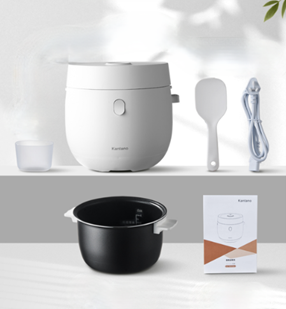
Infrared cooking technology operates on a fascinating principle: it uses infrared radiation to transfer heat directly to food. This method is different from traditional cooking techniques, which often rely on heating air or surfaces. Let’s break down how it works and the science behind it.
Energy Transfer Through Infrared Waves: Infrared radiation is a type of electromagnetic energy. When you turn on an infrared cooker, it emits waves that travel at the speed of light. These waves penetrate the food, causing the molecules to vibrate and generate heat. This process is incredibly efficient because it targets the food directly, rather than heating the surrounding air.
Molecular Excitation: As infrared waves hit the food, they excite the water, fat, and protein molecules within. This excitation leads to an increase in temperature, effectively cooking the food from the inside out. This is why infrared cooking often results in juicier and more flavorful dishes.
Direct vs. Indirect Heating: Traditional methods like convection rely on hot air to cook food, which can lead to uneven heating. Infrared cooking bypasses this by directly heating the food. This means you get consistent results without the risk of drying out your meal.
Understanding some key scientific principles can help you appreciate the advantages of infrared cooking technology.
Planck’s Law and Stefan-Boltzmann Law: These laws explain how energy is emitted as heat. Planck’s Law states that the energy emitted by a body is proportional to its temperature. The Stefan-Boltzmann Law further indicates that this energy increases with the fourth power of temperature. In simple terms, as the temperature rises, the heat output increases significantly, enhancing cooking efficiency.
Wavelengths: Infrared radiation comes in different wavelengths, primarily categorized into short-wave and long-wave radiation. Short-wave infrared radiation penetrates food more deeply, making it ideal for cooking. Long-wave radiation, on the other hand, is better for heating surfaces. This distinction is crucial for optimizing cooking methods.
Penetration Depth: The penetration depth of infrared radiation affects how well food cooks. For instance, short-wave infrared waves can penetrate up to 1 inch into food, allowing for thorough cooking without overcooking the exterior. This is particularly beneficial for thicker cuts of meat, ensuring they are cooked evenly throughout.
Wavelength Type | Penetration Depth | Cooking Application |
Short-Wave | Up to 1 inch | Ideal for meats and dense foods |
Long-Wave | Surface heating | Best for warming and browning |
Infrared cooking technology is transforming how we prepare meals. By utilizing these scientific principles, it provides a faster, more efficient, and flavorful cooking experience. Whether you're searing a steak or roasting vegetables, understanding the mechanics of infrared cooking can enhance your culinary skills.
Infrared cooking technology offers several advantages over traditional cooking methods. From efficiency to flavor retention, this approach is transforming how we prepare meals. Let’s explore the key benefits in detail.
One of the standout features of infrared cooking is its speed. Cooking times can be significantly reduced compared to conventional methods.
Comparison of Cooking Times: Infrared cookers can cook food up to 30% faster than traditional ovens. For example, a roast that typically takes two hours in a conventional oven may only take about 90 minutes in an infrared cooker.
Energy Consumption and Cost-Effectiveness: Infrared cooking is not only faster but also more energy-efficient. It directly heats the food rather than the surrounding air, which means less energy is wasted. This efficiency translates into lower energy bills over time.
Example: Windspro's infrared cookers exemplify these advantages. They provide rapid heating capabilities, allowing users to prepare meals quickly without sacrificing quality. This efficiency is especially beneficial for busy households and professional kitchens alike.
Another significant benefit of infrared cooking technology is its ability to lock in moisture.
How Infrared Cooking Locks in Juices and Flavors: Because it heats food directly, infrared cooking minimizes moisture loss. This method helps retain natural juices, resulting in more flavorful and tender meals.
Benefits for Food Texture and Taste: Foods cooked using infrared technology often have a superior texture. For instance, meats remain juicy and succulent, while vegetables retain their crispness. This retention of moisture enhances the overall dining experience, making every bite more enjoyable.
Infrared cooking ensures that heat is distributed evenly across the food.
Elimination of Hot and Cold Spots: Traditional cooking methods can lead to uneven heating, where some parts of the food are overcooked while others are undercooked. Infrared cooking eliminates these hot and cold spots, providing consistent results every time.
Importance of Consistent Cooking Results: This even heat distribution is crucial, especially for complex dishes that require precise cooking. With infrared technology, you can achieve perfectly cooked meals without the guesswork.
Benefit | Infrared Cooking Technology | Traditional Cooking Methods |
Cooking Time | Up to 30% faster | Slower |
Energy Efficiency | High (direct heating) | Lower (heats air) |
Moisture Retention | Excellent (locks in juices) | Moderate to low |
Heat Distribution | Even (no hot/cold spots) | Uneven |
Infrared cooking technology represents a significant advancement in culinary practices. It combines speed, efficiency, and superior flavor retention, making it a preferred choice for both home cooks and professionals. With brands like Windspro leading the way, this technology is reshaping our cooking experiences, ensuring delicious meals are prepared with ease.
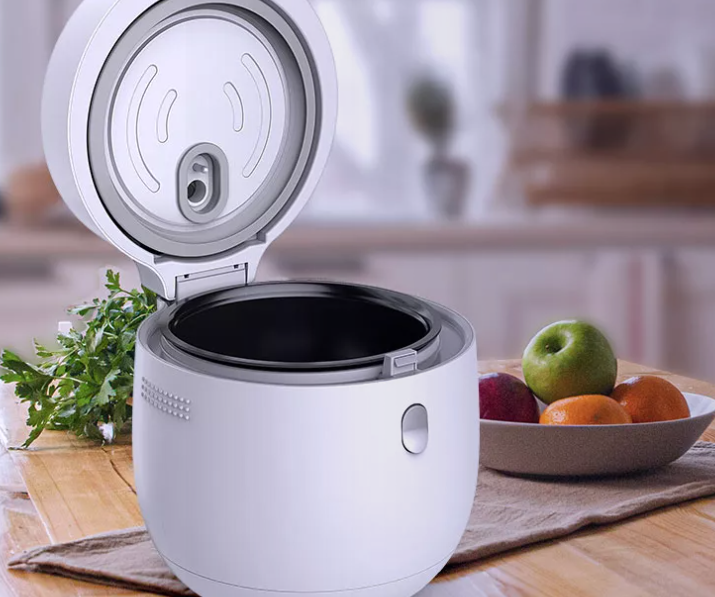
When it comes to cooking, health and safety are paramount. Infrared cooking technology has gained attention not only for its efficiency but also for its health benefits. Let’s explore the safety aspects and nutritional advantages of this modern cooking method.
Safety is often a concern when discussing cooking technologies. Infrared radiation, used in cooking, is a type of electromagnetic radiation that is generally considered safe.
Discussion on the Safety of Infrared Radiation: Infrared radiation is non-ionizing, meaning it does not carry enough energy to remove tightly bound electrons from atoms or molecules. This makes it safe for cooking and does not pose the same health risks associated with ionizing radiation.
Comparison with Other Cooking Methods: Traditional cooking methods, such as frying and grilling, can produce harmful compounds like acrylamide or heterocyclic amines (HCAs) due to high-temperature cooking. Infrared cooking minimizes these risks by cooking food quickly and evenly, reducing the chances of overcooking and burning.
Infrared cooking technology not only promotes safety but also enhances the nutritional quality of food.
Preservation of Vitamins and Minerals: One of the significant advantages of infrared cooking is its ability to preserve essential nutrients. Traditional cooking methods often lead to nutrient loss, especially in vegetables. Infrared cooking, however, retains vitamins and minerals due to shorter cooking times and lower temperatures.
Reduced Need for Oils and Fats: This technology allows for cooking with minimal or no oils, which is beneficial for health-conscious individuals. By reducing the amount of fat needed for cooking, infrared cooking can help lower calorie intake while still delivering delicious meals.
Example: Windspro’s infrared cookers exemplify this advantage. They help retain nutrients better than traditional cooking methods, ensuring that meals are not only tasty but also nutritious. For instance, a study showed that infrared cooking can retain up to 90% of vitamin C in vegetables compared to only 60% retention in conventional boiling.
Health Aspect | Infrared Cooking Technology | Traditional Cooking Methods |
Safety | Non-ionizing radiation, safe | Potential harmful compounds |
Nutrient Preservation | High retention of vitamins | Moderate to low retention |
Oil Usage | Minimal to none | Often requires added fats |
Infrared cooking technology is a safe and nutritious way to prepare meals. It combines the benefits of speed and efficiency with health-conscious cooking practices. As more people become aware of these advantages, infrared cooking is likely to become a staple in both home and professional kitchens.
Infrared cooking technology offers numerous benefits. It provides faster cooking times, better moisture retention, and enhanced safety. This method preserves essential nutrients, making meals healthier.
Explore infrared cooking technology for efficient and delicious meals.
Try incorporating infrared cooking methods in your kitchen today!
A: Infrared cooking uses electromagnetic waves to heat food directly, while traditional methods heat air or surfaces, often leading to uneven cooking.
A: Yes, infrared cookers use non-ionizing radiation, making them safe for cooking without health risks associated with other methods.
A: Clean infrared cookers with a damp cloth and mild detergent. Regularly check heating elements for any debris.
A: Meats, vegetables, and baked goods all benefit from infrared cooking, as it retains moisture and enhances flavors.
A: Yes, it reduces the need for oils and fats, promoting healthier meal preparation and potentially aiding weight loss.


