Storing rice properly is crucial to maintaining its quality and safety. Have you ever wondered how to keep rice fresh and flavorful? Proper storage methods can make a significant difference. In this post, you'll learn essential tips for storing rice before and after cooking, including the use of a rice cooker for optimal results.
Proper storage is key to maintaining rice quality and ensuring it stays fresh for months or even years. Here are some rice storage tips focused on storing uncooked rice efficiently and safely.
The best way to store rice starts with selecting suitable containers. Airtight containers are essential to keep moisture, pests, and odors out. Options include:
Food-grade plastic buckets with tight-fitting lids – ideal for bulk rice storage.
Glass jars with rubber seals – good for smaller quantities.
Heavy-duty plastic containers with snap locks – convenient for frequent use.
Avoid storing rice in thin plastic bags or cardboard boxes, as they can easily tear or allow air in. Always ensure containers are clean and completely dry before adding rice. Moisture is the enemy of uncooked rice preservation methods.
Oxygen absorbers are small packets that remove oxygen from sealed containers. They significantly extend shelf life by preventing oxidation and deterring insect infestations. For long-term storage (over three months), add a few oxygen absorber packets inside the container before sealing.
If you plan to use rice within a few weeks, oxygen absorbers are optional but recommended for maintaining top quality.
Where you store your rice matters as much as how you store it. Keep containers in:
A cool, dry place such as a pantry or kitchen cabinet.
Avoid areas with direct sunlight or heat sources like ovens or heaters.
For long-term storage, consider a basement or root cellar with temperatures around 40°F (4°C) or lower.
Refrigerators and freezers are options but may be impractical for large containers.
Controlling temperature and humidity helps maintain rice freshness and prevents spoilage.
Pests like weevils and rodents can ruin your rice supply. To prevent infestations:
Use airtight, pest-proof containers.
Add oxygen absorbers to reduce oxygen levels that pests need.
Inspect rice regularly for signs of bugs or larvae.
Freeze new rice for a week before transferring to storage to kill any eggs.
Keep storage areas clean and free of spilled grains.
By following these rice storage tips, you can keep uncooked rice fresh, flavorful, and safe for long-term use.
Properly storing cooked rice is essential to maintain its freshness, texture, and safety. Since cooked rice can harbor bacteria if left at room temperature too long, following the right steps for cooling and storage helps you keep rice fresh and ready for future meals.
The first step in storing rice after cooking is to cool it quickly to prevent bacterial growth. Spread the cooked rice evenly on a clean baking sheet or tray. This thin layer allows heat to dissipate faster. You can line the tray with parchment paper to prevent sticking.
Place the tray in the refrigerator uncovered for about 20 to 30 minutes until the rice cools down. Avoid leaving rice at room temperature for more than two hours, as warm, moist environments encourage the growth of Bacillus cereus bacteria, which can cause food poisoning.
Once cooled, transfer the rice to airtight containers. Zip-top bags or plastic containers with tight-fitting lids work well. Label each container with the date of cooking to track freshness.
For short-term storage, the refrigerator is sufficient. Cooked rice stored in the fridge will last up to one week. If you want to keep rice longer, consider freezing it.
Freezing is an excellent rice preservation method that extends cooked rice’s shelf life up to six months. Portion the cooled rice into meal-sized amounts before freezing. Use freezer-safe containers or heavy-duty zip-top bags, squeezing out excess air to prevent freezer burn.
When freezing, lay bags flat to save space. This method also helps rice thaw faster and more evenly when reheated.
To safely reheat rice, thaw frozen portions in the refrigerator overnight or use the microwave’s defrost setting. When reheating, ensure the rice reaches an internal temperature of 165°F (74°C) to kill any bacteria.
Add a splash of water to the rice before reheating to restore moisture and prevent dryness. Stir occasionally during reheating for even warming.
When it comes to storing rice efficiently, choosing the right storage location is just as important as selecting the proper container. Each storage method—pantry, refrigerator, or freezer—offers unique advantages and drawbacks. Understanding these can help you maintain rice quality and extend shelf life whether you’re storing uncooked or cooked rice.
Pros:
Convenience: Pantry storage keeps rice easily accessible for daily use.
Suitable for uncooked rice: When stored in airtight containers in a cool, dry pantry, uncooked rice can last up to one to two years.
No energy needed: Pantry storage doesn’t rely on electricity, making it cost-effective.
Cons:
Temperature fluctuations: Pantries can be affected by kitchen heat, humidity, or sunlight, which may reduce rice freshness.
Pest risk: Without airtight, pest-proof containers, pantry-stored rice is vulnerable to insects like weevils.
Limited for cooked rice: Cooked rice should not be stored in the pantry due to bacterial growth risks.
Pros:
Ideal for cooked rice: Refrigerators slow bacterial growth, extending cooked rice freshness up to a week.
Moderate temperature control: Refrigerators maintain a consistent cool temperature around 40°F (4°C).
Good for short-term storage: It’s convenient for storing rice you plan to consume within days.
Cons:
Can dry out rice: Cooked rice may become dry or hard if not sealed properly.
Limited space: Refrigerators have less room for large containers of uncooked rice.
Not ideal for long-term uncooked rice storage: Moisture from the fridge can sometimes affect uncooked rice quality.
Pros:
Best for long-term storage: Both cooked and uncooked rice can last for months or even years when frozen properly.
Preserves freshness: Freezing halts bacterial growth and maintains rice texture and flavor.
Pest-proof: Freezers eliminate pest risks entirely.
Cons:
Requires proper packaging: Use freezer-safe containers or heavy-duty bags to prevent freezer burn.
Thawing needed for cooked rice: While uncooked rice can be used directly, cooked rice requires thawing or reheating.
Space constraints: Freezer space may be limited, especially for bulk uncooked rice.
Tip: For maintaining rice quality, store uncooked rice in airtight containers in a cool pantry, refrigerate cooked rice for short-term use, and freeze cooked rice for long-term preservation.
Proper rice storage is crucial for maintaining rice quality and freshness. However, even with the best intentions, some common mistakes can undermine your efforts. Knowing what to avoid helps you store rice efficiently and keep it safe for consumption.
Moisture is the biggest enemy when it comes to storing rice, whether uncooked or cooked. Excess moisture creates the perfect environment for mold growth and bacterial contamination, which spoils rice and poses health risks. Many people neglect to ensure their storage containers and rice are completely dry before sealing. This oversight can lead to clumping, off smells, and rapid deterioration.
For uncooked rice, always use dry, airtight containers and keep them in cool, dry places. For cooked rice, cool it quickly before refrigeration or freezing to minimize moisture buildup. Avoid leaving cooked rice at room temperature for extended periods, as this encourages bacterial growth.
Airtight sealing is essential in rice preservation methods. Containers that don’t seal properly allow air and humidity to enter, leading to stale rice and increased risk of pest infestation. Many common storage containers, such as loosely closed plastic bags or jars without rubber seals, fail to keep rice fresh long term.
Make sure to use containers with tight-fitting lids or zip-top bags designed for food storage. For long-term uncooked rice storage, consider food-grade plastic buckets or glass jars with rubber seals. When storing cooked rice, use containers that close firmly to preserve moisture and prevent odors from spreading in the fridge or freezer.
Heat accelerates rice spoilage. Storing rice near ovens, stoves, or other heat sources can raise the temperature inside storage containers, causing rice to lose quality faster. This mistake is common in kitchens where space is limited and rice containers are placed on countertops or near appliances.
Instead, choose storage locations away from direct sunlight and heat. A cool pantry, cabinet, or basement is ideal for uncooked rice. For cooked rice, refrigeration or freezing immediately after cooling is best to maintain freshness and safety.
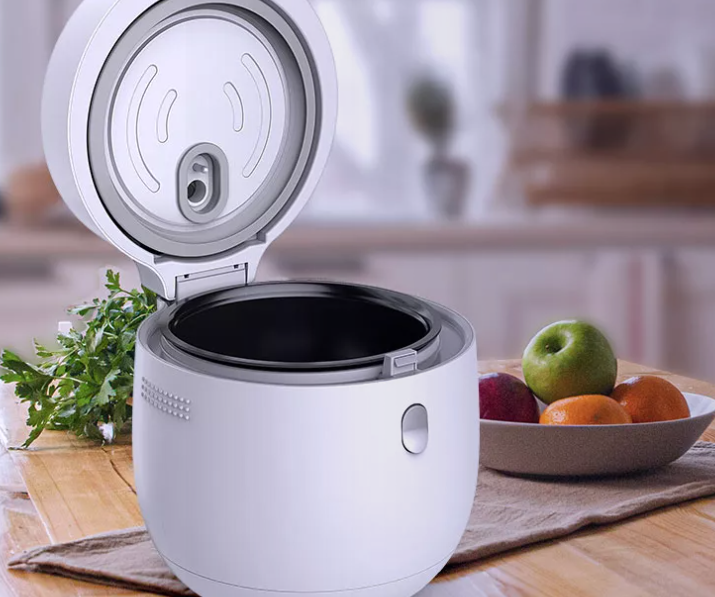
Using a rice cooker can simplify the process of cooking and storing rice efficiently. It ensures rice is cooked evenly and maintains the right moisture level, which helps in preserving texture and flavor. Many rice cookers come with a “keep warm” function that keeps rice at a safe temperature for hours after cooking, reducing the risk of bacterial growth. This feature is particularly useful if you want to serve rice over an extended period without reheating multiple times, which can degrade quality.
Additionally, rice cookers often have non-stick inner pots, making it easier to clean and preventing rice from sticking and drying out. This helps maintain rice quality and freshness, especially if you plan to store leftovers.
When selecting a rice cooker to aid in rice storage, consider these features:
Keep Warm Function: Keeps rice at safe serving temperature for hours.
Timer and Delay Start: Allows cooking rice to finish just before mealtime, so rice is fresh.
Non-stick Inner Pot: Prevents sticking and makes cleaning easier.
Multiple Cooking Settings: Options for different rice types and textures.
Capacity: Choose a size that fits your typical rice consumption to avoid waste.
Sealed Lid: Helps retain moisture during cooking and keeping rice fresh afterward.
These features contribute to how to store cooked rice efficiently by maintaining rice quality and safety.
A rice cooker is more than just a cooking appliance; it can play a role in rice preservation methods after cooking. Here’s how:
Maintaining Rice Freshness: The keep warm function keeps rice at a temperature that inhibits bacterial growth, effectively storing rice ready to eat for several hours.
Reducing Moisture Loss: The sealed lid traps steam, preventing rice from drying out, which is a common issue with leftover rice stored in open containers.
Convenient Portioning: You can cook rice in batches appropriate for your needs, reducing the amount of cooked rice stored and minimizing waste.
Easy Transfer: Many rice cookers have removable pots that can double as storage containers in the refrigerator for short-term storage.
While rice cookers are not a substitute for proper refrigeration or freezing for long-term storage, they offer a practical solution for keeping cooked rice fresh and safe for immediate consumption.
Tip: Use a rice cooker with a reliable keep warm function and a sealed lid to maintain rice freshness and safety during short-term storage after cooking.
Proper rice storage involves using airtight containers, controlling moisture, and selecting cool, dry locations. For cooked rice, quick cooling and airtight sealing are essential. A rice cooker with a keep warm function can help maintain freshness and safety. These methods ensure rice quality and longevity. Zhongshan Windspro Electrical Co.,Ltd. offers products designed to enhance rice storage, providing convenience and reliability. Their innovative appliances ensure rice remains fresh, flavorful, and safe, adding value to daily cooking routines.
A: Using a rice cooker with a keep warm function helps maintain rice freshness after cooking. Store cooked rice in airtight containers and refrigerate or freeze for longer shelf life.
A: Cool cooked rice quickly, then transfer it to airtight containers. Refrigerate for up to one week or freeze for up to six months to maintain quality.
A: Store uncooked rice in airtight containers with oxygen absorbers in a cool, dry place to preserve freshness and prevent pests.
A: A rice cooker’s keep warm function keeps rice at safe temperatures, reducing bacterial growth and maintaining moisture, which aids in short-term storage.
A: Airtight containers prevent moisture and pests, ensuring rice quality and freshness for both cooked and uncooked rice.


