Ever wondered if it's safe to leave your rice cooker on while you step out? Many people assume it's harmless, but there are safety concerns to consider. Understanding how to use a rice cooker properly can prevent potential hazards. In this post, you'll learn about the risks of leaving a rice cooker unattended and how to use it safely.
Rice cookers are handy kitchen appliances designed to make cooking rice simple and consistent. They work by heating water inside a cooking pot to steam the rice until it’s perfectly cooked. Here’s a closer look at how they function and their common features.
At their core, rice cookers use an electric heating element beneath a non-stick cooking pot. When you add rice and water, the cooker heats the water to boiling. As the water turns to steam, it cooks the rice evenly. A temperature sensor monitors the pot's heat. Once the water is fully absorbed or evaporated, the temperature rises above boiling point, signaling the rice is done. The cooker then switches off or moves to a "keep warm" mode automatically.
This automatic sensing prevents overcooking and burning. It means you don’t have to watch the pot constantly. You simply add ingredients, press a button, and the cooker does the rest.
Modern rice cookers come with several features designed for convenience and safety:
Automatic Shut-Off: Once cooking completes, the cooker stops heating or switches to a warming mode.
Keep Warm Function: Keeps rice warm at a safe temperature for hours without cooking it further.
Timer and Delay Start: Allows programming the cooker to start cooking at a later time, so rice is ready when you want.
Multiple Cooking Settings: Some models can cook different types of rice (white, brown, sushi) or even steam vegetables and cook porridge.
Non-Stick Inner Pot: Helps prevent rice from sticking and makes cleaning easier.
Safety Sensors: Prevent overheating by monitoring temperature and shutting off if needed.
These features make rice cookers versatile and user-friendly. However, understanding how they work helps users operate them safely and effectively.
Leaving a rice cooker on may seem harmless, but it comes with safety concerns worth knowing. Let’s break down the main issues: potential fire hazards, energy use, and how rice quality can suffer.
Rice cookers are designed with safety features like automatic shut-off and temperature sensors to prevent overheating. Still, risks exist. If the cooker malfunctions or overheats, it could cause a fire. This risk is low but not zero.
Common fire risks include:
Overfilling the cooker, which may cause excess steam and pressure.
Using damaged power cords or sockets.
Placing the cooker too close to flammable items like curtains or wooden shelves.
Leaving the cooker on unattended for long periods, especially overnight.
To reduce fire risk, always place your rice cooker on a flat, heat-resistant surface and away from anything that steam or heat can damage. Regularly inspect cords and plugs for damage or burn marks. If you notice buzzing or crackling sounds, unplug the cooker immediately and get it checked.
Rice cookers consume electricity while cooking and when on “keep warm” mode. Leaving them on longer than necessary wastes energy and increases your electricity bill.
Most modern rice cookers switch to “keep warm” mode automatically after cooking. This mode uses less power but still consumes electricity. Leaving a cooker on “keep warm” for more than 12 hours is generally not recommended, as it leads to unnecessary energy use.
For energy savings:
Use the timer or delay start feature to cook rice just before mealtime.
Avoid leaving the cooker plugged in when not in use.
Unplug the cooker after cooking and before cleaning.
Leaving rice in the cooker for too long, especially on “keep warm” mode, can affect its texture and taste. Rice may dry out, become hard, or turn mushy. The longer it sits, the more its quality declines.
Food safety is another concern. The CDC advises not to keep cooked rice at room temperature for more than 12 hours. Bacteria like Bacillus cereus can grow in rice left out too long, risking food poisoning.
To keep rice fresh and safe:
Consume rice within 12 hours of cooking.
If you want to store rice longer, transfer it to an airtight container and refrigerate promptly.
Reheat rice thoroughly before eating.
Note: Always unplug your rice cooker when not in use to reduce fire risk and save energy. Regularly check cords and place the cooker away from flammable materials.
Following manufacturer instructions is vital for using your rice cooker safely and effectively. Each model has specific features, safety mechanisms, and recommended usage limits. Ignoring these can lead to malfunctions or safety hazards.
Manufacturers design rice cookers with built-in safeguards like automatic shut-off and temperature sensors. These features work best when users adhere to the guidelines. For example, many rice cookers advise against leaving the unit on “keep warm” mode for more than 12 hours. Exceeding this time can degrade rice quality and increase fire risk.
Always read the manual carefully. It explains:
How to operate the cooker correctly.
Maximum recommended cooking and warming times.
Cleaning and maintenance procedures.
Safety precautions such as placement and electrical requirements.
Following instructions helps prevent issues like overheating, electrical faults, or damage to internal components. It also prolongs your rice cooker's lifespan.
Registering your rice cooker with the manufacturer after purchase is a smart safety step. Registration ensures you receive timely notifications about product recalls or safety updates.
Manufacturers occasionally discover faults or defects that could pose risks. If your rice cooker is affected, the company can contact you directly to arrange repairs, replacements, or refunds.
You can typically register online using the product's model and serial number. Keep your purchase receipt handy for this process.
Additionally, regularly check recall databases or manufacturer websites for updates. If you find your rice cooker on a recall list, stop using it immediately and follow the manufacturer's instructions.
Use only the plug type recommended by the manufacturer; avoid using incompatible travel adapters.
Inspect power cords and plugs regularly for damage, burn marks, or unusual sounds such as buzzing.
Ensure your home has Residual Current Device (RCD) protection. This device reduces electric shock risk and lowers fire hazards from faulty appliances.
Keep your rice cooker on stable, heat-resistant surfaces away from flammable materials like curtains or paper.
Never immerse the rice cooker base in water; clean it with a damp cloth instead.
By following these guidelines and staying informed about your rice cooker’s safety status, you can enjoy convenience without compromising safety.
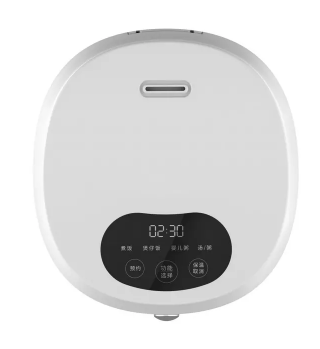
Choosing the right spot for your rice cooker is key to safe use. Always place it on a flat, stable, heat-resistant surface. Avoid spots near curtains, paper, or wooden shelves that heat or steam could damage. Keep the cooker away from edges where it might fall or get knocked over.
Make sure the area is well-ventilated. Rice cookers release steam during cooking, so placing them under cabinets or in tight spaces can cause moisture buildup and damage. Leave enough room around the cooker for air circulation and easy access to the power cord and controls.
Keep the power cord dry and untangled. Avoid placing the cooker where water splashes or spills might reach the plug or socket. Damaged cords or wet plugs increase fire risk.
Maintaining your rice cooker helps it work safely and last longer. Always unplug the cooker before cleaning. Never immerse the base or any electrical parts in water. Use a damp cloth to wipe down the exterior and base.
The inner pot and lid are usually dishwasher safe or can be hand washed with mild soap. Clean them after each use to prevent food residue buildup, which can cause odors or affect cooking performance.
Check the steam vent regularly. Remove any debris or buildup to ensure steam escapes freely. A blocked vent can cause pressure to build up, which is unsafe.
Inspect the power cord and plug often. Look for cracks, burn marks, or fraying. If you notice damage or hear buzzing sounds, stop using the cooker and get it repaired or replaced.
Avoid overfilling the cooker. Follow the manufacturer’s guidelines on maximum rice and water amounts. Overfilling can cause spills, steam buildup, or malfunction.
Store the rice cooker in a dry place when not in use. Moisture can damage electrical components over time.
Many rice cookers come with a "keep warm" feature designed to maintain the rice at a safe, warm temperature after cooking finishes. This function allows you to enjoy warm rice without having to reheat it later. However, using this feature safely is crucial to avoid food safety risks and maintain rice quality.
Time Limit: Most manufacturers recommend not using the "keep warm" mode for more than 12 hours. Prolonged use beyond this can dry out the rice or cause it to become mushy.
Temperature Control: The keep warm function usually maintains rice at about 140°F (60°C), which slows bacterial growth but doesn't stop it entirely. Avoid leaving rice on this setting overnight or for extended periods.
Rice Texture: Over time, rice left on keep warm can lose moisture and texture, becoming hard or unpleasant. Stirring occasionally can help redistribute moisture.
Energy Use: Keep warm mode consumes electricity continuously. Limiting the time you use it helps save energy and reduce costs.
If you need warm rice for longer durations, consider cooking rice closer to mealtime or using a programmable rice cooker with a timer to start cooking when needed.
Instead of leaving rice in the cooker for hours, storing cooked rice safely ensures freshness and minimizes health risks.
Cool Quickly: After cooking, cool rice within two hours to prevent bacteria growth. Spread rice on a baking sheet or shallow container to speed cooling.
Use Airtight Containers: Transfer cooled rice to airtight containers or resealable bags to maintain moisture and prevent contamination.
Refrigerate or Freeze: Store rice in the fridge for up to 5 days or freeze for up to 6 months. Always label containers with dates.
Reheat Safely: When reheating, add a little water to restore moisture and heat rice thoroughly to at least 165°F (74°C). Use a microwave or stovetop, not the rice cooker’s keep warm function for reheating refrigerated rice.
Avoid Repeated Reheating: Each time rice cools and reheats, bacteria risk increases. Only reheat the portion you plan to eat.
By following these storage tips, you can enjoy safe, tasty rice without relying on the rice cooker’s keep warm mode for extended periods.
Rice cookers are popular kitchen tools, but many misunderstand how safe or efficient they are. Let's clear up some common myths:
Myth 1: Rice cookers can run nonstop without any risk. Some believe rice cookers are made to run all day or overnight safely. While modern rice cookers have safety features, running them unattended for long periods raises risks like overcooking or fire hazards.
Myth 2: The “keep warm” function can keep rice fresh indefinitely. The keep warm mode maintains rice temperature but doesn’t preserve freshness forever. Over hours, rice dries out or becomes mushy, and bacteria can grow if left too long.
Myth 3: Leaving rice in the cooker overnight is safe if the lid is closed. Even with the lid closed, rice left too long can spoil. Bacteria like Bacillus cereus thrive in cooked rice at warm temperatures, causing food poisoning.
Myth 4: Rice cookers use no electricity when on keep warm. They do consume electricity, though less than during cooking. Leaving it on unnecessarily wastes energy and may increase bills.
Myth 5: All rice cookers have the same safety features. Features vary by brand and model. Some have automatic shut-off, others only switch to keep warm. Always check your manual.
To stay safe and enjoy quality rice, understand these truths:
Safety features reduce but don't eliminate risks. Automatic shut-off and temperature sensors help prevent overheating. Still, appliances can malfunction or be misused.
Limit keep warm use to recommended times. Most manufacturers suggest no more than 12 hours on keep warm. Extended use degrades rice quality and may increase fire risk.
Store leftover rice properly. Instead of leaving rice in the cooker, cool it quickly, then refrigerate or freeze in airtight containers.
Follow manufacturer instructions carefully. Manuals provide essential guidelines for safe use, cleaning, and maintenance.
Regularly inspect your rice cooker. Check cords, plugs, and the cooker itself for damage or unusual sounds.
Understanding rice cookers and their safe usage is crucial for preventing hazards and ensuring quality rice. Always follow manufacturer guidelines and inspect your appliance regularly. Avoid leaving a rice cooker on unattended to minimize fire risks and energy consumption. Prioritize safety by storing cooked rice properly and using features like the keep warm function wisely. The Windspro rice cooker provides exceptional convenience and value with its advanced safety features, making it a reliable choice for any kitchen.
A: It's not recommended to leave a rice cooker unattended while it's on due to potential fire hazards, even though modern rice cookers have safety features like automatic shut-off.
A: Rice cookers have a temperature sensor that detects when the water is absorbed. It then switches from cooking to warming mode to prevent overcooking and conserve energy.
A: Leaving rice in the cooker overnight can lead to bacterial growth, risking food poisoning, and degrade the rice's texture and taste.
A: Rice cookers offer convenience, consistent cooking results, energy efficiency, and safety features like automatic shut-off and keep warm functions.
A: Transfer cooled rice to airtight containers, refrigerate for up to 5 days, or freeze for up to 6 months. Reheat thoroughly before consuming.


