Have you ever wondered why Japanese rice is so deliciously sticky and flavorful? Japanese rice cooking is an art, deeply rooted in tradition and culture. In this post, you'll learn about the importance of rice in Japanese culture, explore traditional and modern cooking methods, including the use of a rice cooker, and discover tips for perfecting your rice cooking skills.
Japanese rice stands apart from other rice varieties mainly due to its unique texture and flavor. It plays a central role in Japanese meals, so understanding its types, quality characteristics, and popular brands is essential for cooking authentic Japanese rice.
Most Japanese rice is short-grain or medium-grain. These grains are plump and have a higher starch content, which makes the rice sticky when cooked—a key trait for dishes like sushi or onigiri. The stickiness helps the rice grains cling together, making it easy to pick up with chopsticks.
Some common types include:
Koshihikari: Arguably the most famous Japanese rice, known for its sweetness and glossy appearance.
Sasanishiki: Slightly less sticky, with a clean flavor, preferred for certain traditional dishes.
Akitakomachi: Popular for its balance of stickiness and firmness.
High-quality Japanese rice exhibits several key traits:
Freshness: The freshest rice, called shinmai or "new rice," is harvested each year and prized for its moisture content and taste. It is best eaten within the same year.
Moisture Content: Good rice has a higher moisture level, which contributes to a soft, plump texture after cooking.
Uniform Grain Size: Even grains cook evenly, ensuring consistent texture.
Clean, Sweet Aroma: Fresh rice carries a subtle sweet smell, enhancing the dining experience.
Minimal Broken Grains: Fewer broken grains mean better texture and appearance.
Japanese consumers often pay close attention to these qualities, sometimes boasting about their preferred brands or harvest seasons.
Several rice brands enjoy widespread popularity due to their consistent quality:
Koshihikari: Grown mainly in Niigata and other northern prefectures, it's a top choice for sushi and everyday meals.
Sasanishiki: Originating from Miyagi Prefecture, it’s favored for its light flavor and slightly less sticky texture.
Hitomebore: Known for its balanced taste and texture, popular in the Tohoku region.
Akitakomachi: From Akita Prefecture, it offers a firm yet sticky rice grain, ideal for various dishes.
In Japan, rice is often region-specific, and local pride influences brand popularity. Some families even stick to a single brand for years, believing it best suits their taste and cooking method.
Tip: When selecting Japanese rice for your business or restaurant, prioritize freshness and moisture content as these directly impact texture and customer satisfaction.
Cooking rice the traditional Japanese way involves careful attention to detail, patience, and respect for the grain. Many households still use a pot or saucepan on the stove, following time-honored steps to achieve perfectly steamed rice. This method highlights the importance of controlling heat, water quality, and proportions to get fluffy, sticky rice that is neither mushy nor dry.
A heavy-bottomed pot or saucepan is essential. It distributes heat evenly, preventing rice from burning or sticking. Materials like cast iron or thick stainless steel work best. The pot should have a tight-fitting lid to trap steam during cooking.
Wash the rice thoroughly: Rinse the rice under cold water, gently stirring until the water runs clear. This removes excess starch and impurities, ensuring a clean flavor and reducing stickiness on the surface.
Soak the rice: After washing, soak the rice in water for 30 minutes to 2 hours. Soaking hydrates the grains, allowing them to cook evenly and develop the desired plump texture.
Measure water precisely: Use a 1:1 ratio of rice to water by volume as a starting point. Adjust slightly depending on rice type and personal preference. Soft water is preferred since hard water can affect texture; if hard water is unavoidable, adding a pinch of salt or using filtered water helps.
Bring to a boil: Place the pot on medium-high heat and bring water to a boil uncovered.
Simmer with lid on: Once boiling, reduce heat to low, cover the pot, and let it simmer for about 8 to 10 minutes. Avoid lifting the lid during this time to keep steam trapped.
Rest off heat: Turn off the heat and let the rice sit, still covered, for 5 to 10 minutes. This resting phase allows steam to finish cooking the rice gently and helps achieve a fluffy texture.
Fluff gently: Use a wooden spatula or rice paddle to fluff the rice carefully. This separates grains without crushing them.
Water quality directly impacts rice texture and flavor. Soft water helps rice cook evenly and remain tender. Hard water can toughen grains or cause uneven cooking. Therefore, many Japanese cooks prefer filtered or spring water.
Water-to-rice ratio is crucial. Too much water results in soggy rice; too little yields hard, undercooked grains. The perfect balance depends on rice freshness, grain size, and soaking time. Experimentation helps find the ideal proportion for each batch.
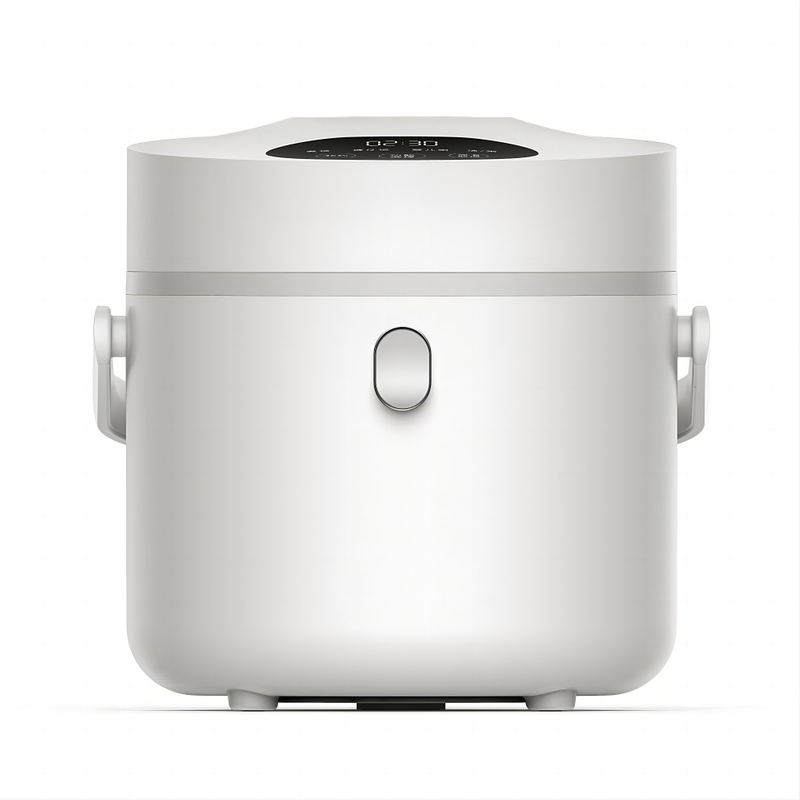
In Japan, rice cookers are a staple kitchen appliance, prized for their convenience and ability to produce consistently perfect rice. They simplify the cooking process, making it accessible even for busy households or restaurants.
Rice cookers automate much of the traditional rice cooking process. They control temperature and timing precisely, eliminating guesswork about water ratios or cooking duration. This results in fluffy, evenly cooked rice every time.
Other benefits include:
Time-saving: Simply add washed rice and water, press a button, and the cooker handles the rest.
Keep warm function: Many models keep rice warm for hours without drying it out.
Versatility: Some cookers can steam vegetables, cook porridge, or even bake cakes.
Energy efficient: Uses less energy than cooking rice on a stove.
For businesses, a rice cooker ensures consistency in quality, which is vital for customer satisfaction.
Modern rice cookers offer various settings tailored to different types of rice and cooking preferences:
White rice: Standard setting for regular Japanese short-grain rice.
Sushi rice: Adjusts cooking time and water absorption for stickier rice.
Brown rice: Longer cooking time and sometimes pre-soaking.
Quick cook: Reduces cooking time but may affect texture slightly.
Porridge or congee: Slow cooking with extra water.
Keep warm: Maintains temperature without drying rice.
Higher-end models include fuzzy logic or induction heating technology, which adjusts heat dynamically for perfect results.
Measure the rice: Use the provided measuring cup, typically about 180 ml per cup.
Wash the rice: Rinse under cold water until it runs clear to remove excess starch.
Add water: Use the rice cooker’s water level marks inside the pot for accuracy.
Soak the rice: Let it sit for 30 minutes to 1 hour if time allows; this improves texture.
Close the lid and start: Press the cook button and let the cooker run its cycle.
After cooking: Let rice rest inside the cooker for 10-15 minutes to steam further.
Fluff the rice: Use a rice paddle to separate grains gently before serving.
Using a rice cooker removes much of the stress involved in traditional methods but still honors the care rice deserves.
Cooking perfect Japanese rice starts long before the heat goes on. Essential preparations like washing, soaking, and measuring set the foundation for fluffy, sticky rice every time.
Washing rice is more than rinsing away dust. It removes excess surface starch that can make rice gummy or overly sticky. It also cleans away any impurities or bacteria that might be present.
Place rice in a bowl or sieve.
Gently stir or rub the grains under cold water.
Change water several times until it runs clear.
This usually takes 2 to 3 minutes of washing.
Washing thoroughly ensures the rice cooks evenly and tastes clean. In Japan, this step is taken seriously to ensure food safety and quality.
After washing, soaking rice lets grains absorb water evenly. This helps them cook uniformly and develop the right texture.
Soak rice for at least 30 minutes.
For best results, soak 1 to 2 hours.
You can soak overnight if convenient.
Avoid soaking too long, which can cause mushiness.
Soaking softens the grains slightly before cooking, leading to plump, tender rice that's sticky but not mushy.
Precision matters when cooking rice. The rice-to-water ratio controls the final texture.
Use a measuring cup for rice, typically 180 ml per cup.
Measure water according to rice type and soaking time.
A common starting ratio is 1:1 by volume (rice to water).
Adjust slightly based on experience or rice brand.
Accurate measurement avoids soggy or undercooked rice. Many Japanese cooks rely on standardized cups or markings on rice cooker pots.
Japanese rice is more than just a side dish; it's a key part of every meal. How you serve and store it affects taste, texture, and safety. Proper handling keeps rice fresh and enjoyable, whether eating right away or saving leftovers.
Rice usually appears as plain steamed rice, called gohan. It's served in small bowls, often alongside soup, pickles, and main dishes. Here are some serving tips:
Use a small rice bowl: This helps keep rice warm and easy to eat with chopsticks.
Fluff rice before serving: Gently separate grains with a rice paddle to keep texture light and sticky.
Serve immediately: Rice tastes best fresh and warm, so serve it right after cooking.
Shape rice for snacks: Onigiri (rice balls) are popular snacks made by shaping rice with hands, sometimes wrapped in seaweed or filled with ingredients.
Add toppings or seasonings: Furikake (a dry Japanese seasoning), pickled plums, or sesame seeds add flavor and variety.
In formal meals, rice bowls are often held in one hand while eating. This practice shows respect for the food and tradition.
Cooked rice can spoil quickly if left at room temperature too long. Here’s how to keep it safe and tasty:
Cool rice quickly: Spread rice on a tray or shallow container to cool faster before storing.
Store in airtight containers: This prevents moisture loss and contamination.
Refrigerate promptly: Keep rice in the fridge if not eaten within 1-2 hours.
Use within 24 hours: Rice stored longer can develop bacteria that cause food poisoning.
Avoid freezing unless necessary: Freezing changes texture but can preserve rice for longer storage.
For restaurants or food businesses, proper storage is critical to food safety and maintaining quality.
Leftover rice doesn't have to be wasted. You can revive or transform it into new dishes:
Reheat with moisture: Sprinkle a little water over rice and cover it while microwaving to soften grains.
Steam leftovers: Use a steamer or rice cooker's reheat function to refresh texture.
Make fried rice: Cold rice works well for stir-frying with vegetables, eggs, and meat.
Create rice porridge: Cook leftover rice with extra water or broth for a comforting dish called okayu.
These methods help reduce waste and offer tasty meal options.
Cooking Japanese rice perfectly requires care, but many beginners face common pitfalls. Recognizing these errors and knowing how to fix them helps achieve fluffy, sticky rice every time.
Skipping the wash: Not washing rice leaves excess starch, making it gummy or clumpy.
Incorrect water ratio: Too much water causes mushy rice; too little results in hard, undercooked grains.
Insufficient soaking: Skipping or shortening soaking time leads to uneven cooking and dry texture.
Lifting the lid during cooking: This releases steam and heat, disrupting the cooking process.
Using hard water: Hard water toughens grains and affects flavor.
Rushing the resting phase: Not letting rice rest after cooking prevents steam from finishing the cooking evenly.
Undercooked rice: Grains feel hard or crunchy. Solution: Add a little boiling water, cover, and let it steam on low heat for 5-10 minutes.
Overcooked rice: Rice turns mushy or sticky beyond desired texture. Solution: Reduce water slightly next time and shorten cooking time.
Rice sticking to pot: Usually from high heat or insufficient soaking. Use a heavy-bottomed pot and soak rice longer.
Uneven cooking: Some grains hard, others soft. Stir gently before cooking or use a rice cooker with fuzzy logic to adjust heat.
Always measure rice and water precisely.
Use soft or filtered water to improve texture.
Wash rice until water runs clear.
Soak rice for at least 30 minutes.
Cook rice on low heat once boiling.
Let rice rest covered for 10 minutes after cooking.
Fluff rice gently with a wooden spatula to separate grains.
Japanese rice is distinct due to its texture and flavor, playing a central role in meals. Understanding types, quality, and cooking methods enhances authenticity. Experimenting with traditional and modern techniques can improve your rice cooking skills. Rice's importance in Japanese cuisine is undeniable, offering a cultural and culinary experience. For businesses seeking to elevate their offerings, Windspro provides high-quality rice cookers that ensure consistent, perfect rice, enhancing customer satisfaction and dining experiences.
A: A rice cooker simplifies the process of cooking Japanese rice, ensuring consistent texture by precisely controlling temperature and timing.
A: Japanese rice is sticky due to its high starch content, which allows the grains to cling together, ideal for dishes like sushi.
A: Ensure proper water-to-rice ratios, wash rice thoroughly, and use the correct settings for the type of rice being cooked.


