Ever wondered how long to leave rice in a rice cooker for perfect results? Rice cookers simplify cooking, but timing is crucial. In this post, you'll learn how cooking time impacts rice texture and quality, ensuring delicious rice every time.
A rice cooker is a handy kitchen gadget designed to cook rice perfectly every time. It uses a simple heating element at the base to warm the inner pot. When you add rice and water, the cooker heats the water until it boils, turning it into steam. The cooker senses the temperature change when all water is absorbed or evaporated, then automatically switches off or moves to a warming mode. This automatic process removes guesswork from cooking rice.
Inside, a thermostat monitors the temperature. When water remains, the temperature stays around 212°F (100°C). Once the water is gone, the temperature rises above that, signaling the cooker to stop heating. This clever mechanism ensures rice cooks evenly without burning or drying out.
Rice cookers come in various types, each with features suited to different needs:
Basic rice cookers: These models have simple on/off controls. They cook rice using the standard method—heat until water absorbs, then switch off. They’re affordable and easy to use but offer limited customization.
Fuzzy logic rice cookers: These smart cookers adjust cooking time and temperature based on the rice type and quantity. They use micro-computers to make small changes during cooking, resulting in better texture and flavor.
Micom rice cookers: Similar to fuzzy logic models, micom cookers use sensors and microprocessors. They can handle different rice types, including brown rice and sushi rice, with preset programs.
Induction heating rice cookers: These use electromagnetic fields to heat the entire inner pot evenly, not just the base. This method provides precise temperature control, producing superior rice texture.
Pressure rice cookers: They add pressure during cooking, which raises the boiling point of water and reduces cooking time. Pressure cookers can make rice fluffier and softer.
Each type suits different budgets and cooking preferences. Basic models work well for everyday white rice, while advanced cookers excel for specialty rice or larger quantities.
White rice is the most common type cooked in rice cookers. Typically, it cooks in about 15 to 25 minutes depending on the quantity and cooker model. Standard short- or medium-grain white rice usually takes around 18 to 20 minutes. Long-grain white rice like basmati or jasmine can be slightly quicker, often done in 15 to 18 minutes.
The rice cooker’s automatic sensor detects when all water is absorbed and switches to warming mode. This means you don’t have to watch the clock closely. However, following your rice cooker’s manual for specific cooking times is always best since models vary.
Brown rice contains the bran layer, making it denser and tougher than white rice. It needs longer cooking times to soften properly. Most rice cookers take between 40 to 50 minutes to cook brown rice fully.
Some advanced rice cookers have a dedicated brown rice setting that adjusts heat and cooking duration accordingly. If your cooker lacks this, expect longer cooking times than white rice. Soaking brown rice for 30 minutes before cooking can also help reduce cooking time and improve texture.
Specialty rice types require precise cooking times for ideal texture:
Sushi rice: Usually short-grain and sticky, it cooks in about 20 to 25 minutes. Some rice cookers have a sushi rice setting that adjusts temperature to get the perfect stickiness.
Jasmine rice: This fragrant long-grain rice cooks faster than brown rice, typically in 15 to 20 minutes. It needs slightly less water than regular white rice to avoid mushiness.
Basmati rice: This aromatic long-grain rice cooks in about 15 to 20 minutes. Rinsing basmati rice well before cooking helps keep grains separate.
When cooking specialty rice, always check your rice cooker manual for recommended water ratios and cooking times. Adjusting water slightly based on your preferences or rice freshness may be necessary.
The amount of rice you cook affects how long it takes to finish. More rice means more water and longer cooking time. For example, cooking one cup of rice might take about 18 minutes, but cooking four cups could take 25 minutes or more. The rice cooker heats until all water is absorbed, so if you add extra water, it may take longer.
Water ratio plays a key role too. Too little water results in undercooked, hard rice. Too much water makes rice mushy. Most rice cookers have water level markings inside the pot for guidance. For white rice, the common ratio is 1 cup rice to 1 cup water. Brown rice needs more water, usually 1 cup rice to 1.25 or 1.5 cups water. Specialty rice types have their own ratios, so always check your cooker’s manual.
Different rice cooker models cook rice differently. Basic cookers use a simple sensor that switches off when water evaporates. These might have fixed cooking times and less precise control. Advanced models like fuzzy logic or induction heating cookers adjust temperature and time during cooking. They often have preset modes for white, brown, sushi, or jasmine rice, optimizing texture and flavor.
Pressure rice cookers cook faster by increasing boiling temperature. They can reduce cooking time for tough rice types like brown rice by 10 to 15 minutes. However, they require careful water ratio adjustments.
Model size also matters. A 3-cup cooker heats small amounts faster than a 10-cup cooker holding large batches. If you cook less than the cooker’s capacity, you might need to experiment with water amounts and cooking times.
Tip: Always measure rice and water carefully and follow your rice cooker’s manual for best results. Adjust cooking time slightly based on your rice quantity and cooker type to get perfect rice every time.
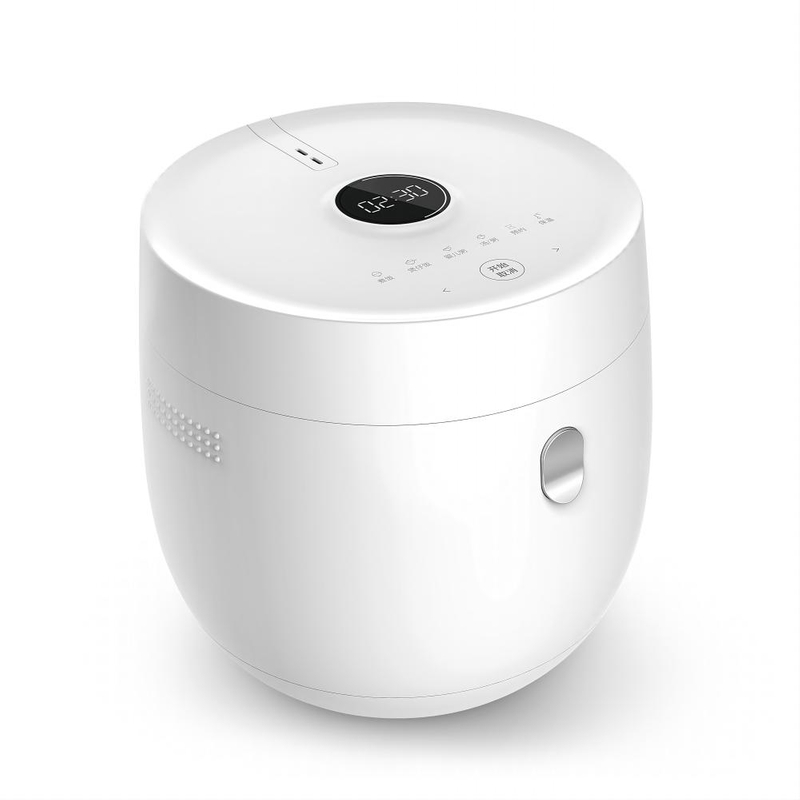
Resting rice after cooking is a crucial step often overlooked. Once your rice cooker finishes its cycle, the rice inside is hot and steamy. Allowing it to rest helps the moisture redistribute evenly throughout the grains. This process makes the rice fluffier and less sticky. If you skip resting, rice tends to be clumpy or mushy because the steam hasn’t fully settled.
During the cooking phase, heat causes water inside the rice to turn into steam. This steam softens the grains, but it also creates pockets of moisture. Resting gives time for these pockets to absorb back into the rice, improving texture and flavor. It also cools the rice slightly, making it easier to fluff without breaking the grains.
Resting is especially important for sticky or short-grain rice types like sushi rice, which rely on moisture balance for the perfect sticky yet separate texture. Even for long-grain rice, resting prevents the rice from drying out or becoming too wet when served.
The best resting time for rice in a rice cooker is generally between 10 and 15 minutes. This period allows enough time for steam to settle and moisture to redistribute without cooling the rice too much. Keep the lid closed during resting to trap the steam inside.
Some rice cooker manuals recommend resting up to 20 minutes, especially for larger batches or brown rice, which retains more moisture and takes longer to settle. However, resting beyond 30 minutes may cause the rice to dry out or become overly firm, even if the cooker is on warming mode.
If you plan to keep rice warm in the cooker for serving later, it’s best to rest it first, then switch to the “keep warm” function. This preserves texture and prevents the rice from becoming gummy or hard.
In summary, resting rice is a simple step that significantly enhances texture and eating quality. Aim for 10 to 15 minutes of rest with the lid closed, and your rice will be fluffy, moist, and delicious every time.
Leaving rice in the cooker after it finishes cooking affects its texture and quality significantly. Once the cooking cycle ends, the rice cooker usually switches to a "keep warm" mode. This mode maintains a low heat to keep rice warm without overcooking it. However, how long you leave the rice in this mode matters.
If rice stays in the cooker for too long, it can dry out, becoming hard or crusty at the bottom. This happens because the heat slowly evaporates moisture from the rice. On the other hand, if you serve rice immediately without letting it rest, grains might be too moist or sticky. The right balance is key.
Keeping rice in the cooker for a short time after cooking—about 10 to 15 minutes—helps maintain moisture and allows the rice to settle. This resting period lets steam redistribute evenly, making the rice fluffy and tender. It also prevents the rice from becoming gummy or mushy.
For sticky rice types like sushi rice, leaving it too long in the cooker can cause it to clump excessively. For fluffy rice types like basmati or jasmine, the texture may become dry and less pleasant if left too long without moisture.
Most rice cookers are designed to keep rice warm safely for several hours. However, the maximum safe duration depends on the rice cooker model and your food safety standards.
Generally, it is safe to leave rice in the cooker on the "keep warm" setting for up to 12 hours. Beyond this, rice quality deteriorates, and the risk of bacterial growth increases, especially if the cooker does not maintain a consistent temperature above 140°F (60°C).
Many manufacturers recommend not leaving rice in the cooker for more than 5 to 6 hours to ensure freshness and safety. If you plan to store rice longer, transfer it to an airtight container and refrigerate promptly.
Leaving rice in the cooker longer than recommended can lead to dryness, unpleasant odors, or even spoilage. Always check the rice before serving if it has been kept warm for extended periods.
Rinsing rice before cooking is a simple step that makes a big difference. It washes away excess surface starch, which can cause rice to be overly sticky or gummy. To rinse rice, place it in a fine mesh strainer or bowl and run cold water over it. Stir the rice gently with your hand as the water flows through. The water will look cloudy at first but will clear after a few rinses. Usually, rinsing two to three times is enough.
Skipping this step might leave extra starch on the grains, leading to clumping or a gluey texture. Rinsing also removes any dust or impurities from packaging or storage. For some rice types, like basmati or jasmine, rinsing helps keep the grains separate and fluffy after cooking.
You don't need to dry the rice after rinsing; a little moisture on the grains is fine and won’t affect cooking. Just drain it well before adding to the rice cooker.
Water ratio is crucial for perfect rice texture. Too little water makes rice hard and undercooked, while too much makes it mushy. Most rice cookers have water level markings inside the pot, which are a helpful guide. However, water needs vary by rice type:
White rice: Usually a 1:1 ratio (one cup rice to one cup water) works well.
Brown rice: Needs more water, about 1:1.25 to 1.5, due to its fibrous bran layer.
Specialty rice: Follow your rice cooker manual or package instructions. For example, sushi rice often requires slightly less water than plain white rice.
Adjust water based on your texture preference. If you like softer rice, add a little more water; for firmer rice, use slightly less. Also, if you skip rinsing rice, add a few extra tablespoons of water to compensate for the starch left on the grains.
Measuring rice and water accurately with proper cups or scales helps maintain consistency. Experimenting a few times with your specific rice cooker and rice brand will help you find the perfect balance.
Understanding the optimal duration to leave rice in a cooker is crucial for maintaining texture and quality. Rice cookers automatically switch to a "keep warm" mode, but prolonged periods can dry out rice or risk bacterial growth. For best results, serve within 5 to 6 hours. Windspro rice cookers offer advanced features that ensure superior rice texture and safety. With precise temperature control, they guarantee perfectly cooked rice every time, enhancing your cooking experience and providing exceptional value.
A: Leave rice in the rice cooker for 10-15 minutes after cooking to let steam redistribute and improve texture.
A: Sticky rice can result from not rinsing rice before cooking, which removes excess starch.
A: It's not recommended to leave rice in the rice cooker overnight as it may dry out or spoil; serve within 5-6 hours.
A: A fuzzy logic or induction heating rice cooker is ideal for brown rice, adjusting heat and time for optimal texture.


