Ever wondered why your rice turns out mushy or dry? The secret lies in the ideal water-to-rice ratio. This crucial factor ensures perfectly cooked rice every time. In this post, you'll learn the importance of getting the ratio right and how different cooking methods, including using a rice cooker, can affect your results.
Cooking rice perfectly starts with knowing your rice type and the right water ratio. Different rice varieties absorb water differently, so the amount you add matters a lot.
Long-grain white rice, like basmati or jasmine, cooks up fluffy with separate grains. For every 1 cup of rice, use about 2 cups of water to get tender, fluffy rice. If you prefer firmer rice, reduce water to 1.5 cups per cup of rice. Rinsing this rice before cooking removes excess starch, helping prevent clumping.
Short-grain rice, such as sushi or Arborio, tends to be stickier and creamier. Sushi rice needs about 1.25 cups of water per cup of rice to achieve its signature stickiness. For risotto, Arborio rice requires more water—around 3 cups per cup of rice—added gradually during cooking to create a creamy texture. Bomba rice, used in paella, needs even more water, roughly 2.5 cups per cup of rice, but this can vary depending on the recipe.
Brown rice keeps the bran layer, making it more nutritious but also tougher to cook. It needs more water and longer cooking times than white rice. The general ratio is 2 cups of water for every 1 cup of brown rice. Soaking brown rice for 30 minutes or more before cooking can reduce the time needed and improve texture.
Parboiled rice is partially boiled in the husk, which changes its texture and cooking needs. It generally requires about 2 cups of water per cup of rice. Other varieties, like wild rice or specialty grains, may have unique water ratios, so checking the package or recipe is best.
Note: Always check your rice package instructions for specific water ratios, as brands and rice processing methods can vary, affecting cooking results.
Cooking rice on the stove is a simple process, but it requires attention to detail to get it just right. Here’s a straightforward method to cook 1 cup of rice perfectly:
Measure the Rice: Use a measuring cup to scoop 1 cup of rice. Level the top for accuracy.
Rinse the Rice: Place the rice in a bowl and cover with cold water. Swirl it gently to remove excess starch. Drain and repeat until the water runs clear. This step helps prevent the rice from becoming sticky.
Soak (Optional): Soak the rice in cold water for 20-30 minutes to help even cooking and improve texture.
Add Water: Transfer the rice to a pot and add 2 cups of water for long-grain white rice (adjust water ratio for other types). Add a pinch of salt if desired.
Bring to a Boil: Place the pot on medium-high heat and bring the water to a rolling boil.
Simmer and Cover: Reduce heat to low and cover the pot with a tight-fitting lid. Let the rice simmer gently without lifting the lid or stirring for about 15-20 minutes.
Check Doneness: After cooking time, lift the lid and check if the water is fully absorbed and the grains are tender. If not, cook a few minutes longer.
Let it Rest: Turn off the heat, keep the lid on, and let the rice rest for 10 minutes. This allows steam to finish cooking the rice and helps fluff the grains.
Fluff and Serve: Use a fork to fluff the rice gently before serving.
Lifting the Lid Too Often: This releases steam and interrupts cooking, causing uneven texture.
Stirring During Cooking: Stirring breaks grains and releases starch, making rice sticky or mushy.
Using Too Much or Too Little Water: Incorrect water ratios lead to undercooked or mushy rice. Always measure carefully.
Cooking on High Heat: High heat can cause rice to burn on the bottom while staying raw inside. Keep heat low during simmering.
Skipping the Rinse: Not rinsing long-grain white rice can cause clumping due to excess starch.
Long-Grain White Rice: Use 2 cups water per cup rice for fluffy grains.
Short-Grain White Rice: Use about 1.25 cups water per cup rice for stickier texture.
Brown Rice: Requires more water, about 2 to 2.5 cups per cup rice, and longer cooking time.
Parboiled Rice: Use about 2 cups water per cup rice.
Adjust these ratios slightly based on your preference for firmness or softness. For example, reduce water by a quarter cup for firmer rice.
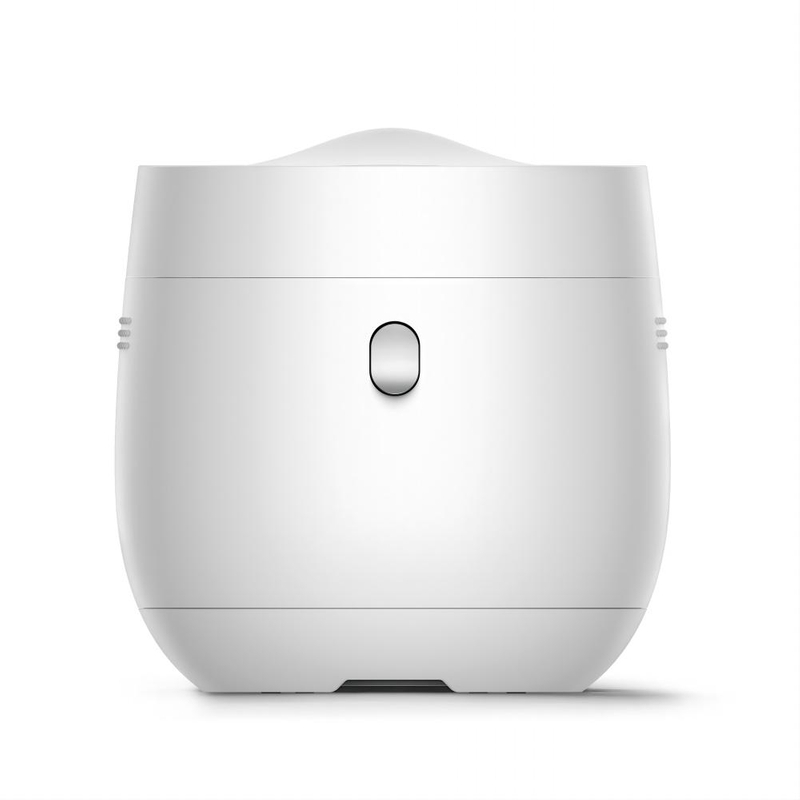
Rice cookers take the guesswork out of cooking rice. They automatically control temperature and cooking time, so your rice cooks evenly every time. This means you can focus on other tasks while the rice cooker does its job. Rice cookers also prevent burning or boiling over, common problems when cooking rice on the stove. Many models come with a "keep warm" function, ensuring your rice stays at the perfect temperature until you're ready to serve.
Measuring water for a rice cooker differs from stovetop methods. Generally, rice cookers require less water because they trap steam better. Here are common water-to-rice ratios for 1 cup of dry, unrinsed rice:
Long-grain white rice: 1 cup rice + 1 3/4 cups water (1:1.75)
Medium or short-grain white rice: 1 cup rice + 1 1/2 cups water (1:1.5)
Brown rice: 1 cup rice + 2 1/4 cups water (1:2.25)
Parboiled rice: 1 cup rice + 2 cups water (1:2)
Basmati or jasmine rice: 1 cup rice + 1 1/2 cups water (1:1.5)
Always check your rice cooker manual and rice packaging for specific recommendations. Rinsing rice before cooking is usually advised to remove excess starch, which helps prevent clumping and boiling over.
Sticky rice can be a problem even with a rice cooker. To avoid it:
Rinse rice thoroughly until water runs clear to wash away surface starch.
Use the correct water ratio; too much water causes mushiness.
Add a small amount of oil or butter to the rice and water mixture before cooking to help separate grains.
Avoid opening the lid during cooking, as releasing steam affects texture.
After cooking, let the rice rest in the cooker on "keep warm" mode for 10-15 minutes. This allows excess moisture to evaporate and the rice to firm up.
Following these steps will help you get fluffy, separate grains every time.
Cooking rice on the stove or in a rice cooker is common, but there are other methods to try. These alternatives can be great for different situations, like cooking large batches or when you want a quick meal. Let's explore oven-baked rice, microwave cooking, and the fingertip measuring trick.
Oven cooking is perfect when making large amounts of rice or when you want a hands-off method. It uses consistent heat and can produce fluffy rice without much fuss.
How to bake rice in the oven:
Preheat your oven to 180°C (350°F) or 160°C (320°F) if using a fan oven.
Rinse 1 cup of rice thoroughly to remove starch.
Place the rinsed rice in a casserole dish with a tight-fitting lid.
Pour in 2 cups of boiling water.
Cover the dish and bake for about 35 minutes.
Remove from the oven and let it stand covered for 5 minutes.
Fluff the rice with a fork before serving.
This method works well for long-grain rice types like basmati. It’s especially handy when cooking for a crowd, as you can prepare rice without constant attention.
Microwaving rice is fast and convenient, ideal when you're in a hurry or have limited kitchen space.
Steps for cooking rice in the microwave:
Rinse 1 cup of rice to wash away excess starch.
Place rice in a microwave-safe bowl.
Add about 2 to 2.5 cups of boiling water.
Cover the bowl with microwave-safe plastic wrap and pierce it a few times to vent steam.
Cook on high power for 6 minutes.
Then cook on medium power for 8 minutes.
Let the rice stand covered for a couple of minutes after cooking.
Fluff and serve.
Microwave wattages vary, so you might need to adjust cooking times. This method suits long-grain rice best and is a quick alternative to stovetop cooking.
This traditional method is popular in many households for its simplicity and adaptability. It’s a handy way to measure water without a cup.
How it works:
Add the desired amount of rice to your pot.
Rinse and drain the rice a few times.
Add water until it just covers the rice.
Gently level the water by tilting the pot.
Place your middle finger vertically into the water until it touches the rice.
Add more water until it reaches the first joint of your middle finger.
This method adjusts naturally to different amounts of rice. It’s a great trick if you don’t have measuring cups handy. Keep in mind brown rice needs more water, so add a bit extra.
Cooking rice perfectly can sometimes be tricky. Even when following the right water ratios and cooking methods, issues like sticky rice, undercooked grains, or poor texture can occur. This section helps you identify and fix these common problems to get the best results every time.
Sticky rice happens when excess starch is released during cooking, causing grains to clump together. To avoid this:
Rinse rice thoroughly before cooking until the water runs clear. This removes surface starch that makes rice sticky.
Use the correct water ratio; too much water makes rice mushy and sticky.
Avoid stirring rice while cooking. Stirring breaks grains and releases more starch.
Add a small amount of oil or butter to the cooking water to help separate grains.
Let rice rest after cooking with the lid on. This lets steam finish cooking and helps dry out excess moisture.
If your rice is already sticky, fluff it gently with a fork and spread it out on a baking sheet to cool. This helps evaporate moisture and separate grains.
Undercooked rice feels hard or crunchy, while overcooked rice is mushy or clumpy. Here’s how to fix these issues:
Undercooked rice: Add a few tablespoons of hot water, cover the pot, and cook on low heat for 5-10 more minutes. This lets the rice absorb extra moisture and soften.
Overcooked rice: Spread the rice on a baking sheet and bake at low heat (around 250°F or 120°C) for 5-10 minutes to dry excess moisture. Alternatively, use it in recipes like fried rice where texture is less critical.
To prevent these problems, always measure water carefully and avoid lifting the lid during cooking, which releases steam and affects cooking time.
Texture depends on rice type, water ratio, and cooking method. To enhance texture:
Soak rice before cooking (especially brown rice) to soften grains and reduce cooking time.
Use a pot with a tight-fitting lid to trap steam and cook rice evenly.
Let cooked rice rest for 10 minutes off heat before fluffing to allow steam to redistribute.
Fluff rice gently with a fork instead of stirring vigorously to keep grains separate.
Adjust water slightly based on your preference for firmer or softer rice.
Experiment with these tips and water ratios to find what works best for your rice type and taste.
Understanding rice types and their water ratios is crucial for perfect rice. Experimenting with different ratios enhances cooking results. Achieving perfect rice requires attention to detail and practice. Windspro offers products that simplify cooking, ensuring consistent results. Their innovative solutions provide value by making rice preparation easier and more reliable.
A: For a rice cooker, use 1 3/4 cups of water for 1 cup of long-grain white rice. Adjust based on rice type and your rice cooker's manual.
A: Sticky rice can result from excess starch. Rinse rice thoroughly before cooking and ensure you're using the correct water ratio in your rice cooker.
A: Yes, use 2 1/4 cups of water for 1 cup of brown rice in a rice cooker. This ensures proper texture and cooking.
A: A rice cooker offers precision and convenience, reducing the risk of burning and boiling over, unlike stovetop methods.
A: While rice cookers have an initial cost, they save time and energy, making them cost-effective for regular rice cooking.


