Is jasmine rice just another type of white rice? This fragrant grain, often cooked in rice cookers, has unique qualities. In this article, you'll learn what jasmine rice is and how it compares to other rice types. Understanding these differences helps you choose the best rice for your needs.
Jasmine rice, a fragrant long-grain rice, primarily grows in Southeast Asia, especially Thailand. It gained popularity in the 1950s and has since become a staple food and a significant export product for the region. The rice's name comes from its color, similar to jasmine flowers, rather than its aroma. Locally, its scent is likened to the pandan plant, though many outside Asia compare it to popcorn.
Jasmine rice stands out for its unique aroma and texture. When cooked, it becomes light, fluffy, and slightly sticky, making it ideal for dishes like stir-fries and curries. The grains are longer and thinner than many other rice types. Its nutty, subtly sweet flavor complements many cuisines. Unlike most white rice, jasmine rice has a noticeable fragrance due to a natural compound called 2-acetyl-1-pyrroline.
Jasmine rice comes in several colors:
White Jasmine Rice: The most common, polished and processed to remove bran and germ.
Brown Jasmine Rice: A whole grain variant, retaining bran and germ, offering more fiber and nutrients.
Red, Purple, and Black Jasmine Rice: Less common, these varieties contain antioxidants and phytonutrients beneficial for health.
While white jasmine rice dominates markets, whole-grain jasmine rice varieties are gaining attention for their health benefits. Brown jasmine rice, for example, contains more fiber, protein, vitamins B1 and B3, iron, and minerals like calcium and potassium. It also has a lower glycemic index, which helps regulate blood sugar better than white rice.
The red, purple, and black types carry antioxidants such as flavonoids and anthocyanins that protect cells from oxidative damage. These colorful varieties are less processed and provide more health advantages than the white version.
In summary, jasmine rice is not just one type but a family of rice varieties distinguished by aroma, texture, and nutritional content. Understanding these differences helps consumers choose the best option for their taste and dietary needs.
When comparing jasmine rice to white rice, it's important to understand their similarities and differences in nutrition, processing, texture, and aroma.
Both jasmine rice and typical white rice undergo processing that removes the husk, bran, and germ. This refining strips away fiber and many nutrients. As a result, white jasmine rice and other white rices have very similar nutritional profiles. For example, a 1-cup serving of cooked jasmine rice contains roughly:
181 calories
4 grams of protein
1 gram of fat
39 grams of carbohydrates
1 gram of fiber
In comparison, the same serving size of long-grain white rice offers about 160 calories, 4 grams of protein, 0 grams of fat, 36 grams of carbohydrates, and 1 gram of fiber. Both types have minimal vitamins and minerals due to processing, although some white rice may be enriched with iron and B vitamins.
Whole-grain jasmine rice, such as brown jasmine rice, differs nutritionally. It retains the bran and germ, providing more fiber, protein, and vitamins like B1 and B3. Brown jasmine rice also has a lower glycemic index, which may help regulate blood sugar levels better than white rice.
The key difference lies in the degree of processing. White jasmine rice is polished, removing bran and germ, making it a refined grain. Brown jasmine rice, however, keeps these parts intact, making it a whole grain. This retention translates to higher nutrient content and more fiber.
Other varieties like red, purple, and black jasmine rice are also less processed and contain antioxidants and phytonutrients beneficial for health.
Jasmine rice is famous for its unique aroma, often described as popcorn-like or similar to pandan leaves. This scent comes from a natural compound called 2-acetyl-1-pyrroline, which most white rices lack. The aroma enhances the eating experience and distinguishes jasmine rice from other white rices.
Texture-wise, jasmine rice cooks up moist, soft, and slightly sticky. It holds together well but remains fluffy, making it perfect for Asian dishes like stir-fries and curries. In contrast, typical long-grain white rice tends to be drier and fluffier, with grains that separate more distinctly when cooked.
| Aspect | Jasmine Rice (White) | Typical White Rice | Brown Jasmine Rice |
|---|---|---|---|
| Processing | Polished, refined | Polished, refined | Whole grain, less processed |
| Nutritional Content | Moderate calories, low fiber | Similar calories, low fiber | Higher fiber, more vitamins |
| Aroma | Distinct popcorn-like scent | Mild or no aroma | Similar aroma to white jasmine |
| Texture | Moist, soft, slightly sticky | Dry, fluffy, separate grains | Chewier, nuttier texture |
Understanding these differences helps in choosing the right rice for taste, texture, and nutritional needs. When selecting rice for your business or product line, consider offering both white jasmine rice for its aroma and texture, and brown jasmine rice for customers seeking healthier, whole-grain options.
Jasmine rice offers a range of nutrients, especially in its whole-grain forms. The most common white jasmine rice provides moderate calories, protein, and carbohydrates but lacks significant fiber and vitamins due to processing. For example, a typical serving of cooked white jasmine rice contains about 180 calories, 4 grams of protein, and 1 gram of fiber.
In contrast, brown jasmine rice retains the bran and germ layers, preserving more nutrients. It contains higher amounts of fiber, protein, and important vitamins like B1 (thiamine) and B3 (niacin). Brown jasmine rice also supplies minerals such as iron, calcium, and potassium, which support bone health and muscle function.
Whole-grain jasmine rice, especially the brown variety, offers several health advantages. The increased fiber content helps improve digestion and promotes a feeling of fullness, which can aid in weight management. Fiber also slows glucose absorption, helping maintain stable blood sugar levels.
Studies suggest switching from white rice to whole-grain rice like brown jasmine may reduce the risk of type 2 diabetes. Moreover, the vitamins and minerals in brown jasmine rice contribute to energy metabolism and overall health.
Colored jasmine rice varieties, such as red, purple, and black, contain additional antioxidants like flavonoids and anthocyanins. These compounds protect cells from oxidative stress and may lower the risk of chronic diseases.
Brown jasmine rice shares many nutritional qualities with other types of brown rice, including higher fiber and nutrient content compared to white rice. However, it offers a distinctive aroma and slightly different texture, which some people prefer.
Both brown jasmine and other brown rices provide similar health benefits, such as improved heart health and better blood sugar control. Choosing whole-grain jasmine rice can be a flavorful way to boost nutrient intake while enjoying rice's traditional appeal. For businesses, offering brown jasmine rice alongside white jasmine rice caters to health-conscious consumers seeking whole-grain options without sacrificing aroma and texture.
Cooking jasmine rice properly brings out its delicate aroma and fluffy texture. Here are some best practices for making perfect jasmine rice every time.
Rinse the rice: Rinse jasmine rice under cold water until the water runs clear. This removes excess starch and prevents the rice from becoming overly sticky.
Use the right water ratio: For stovetop cooking, use about 1 ⅓ cups of water per cup of jasmine rice. This ratio helps achieve the ideal moist yet fluffy texture.
Simmer gently: Bring water to a boil, then reduce heat to low and cover the pot. Let it simmer for about 10 to 15 minutes without lifting the lid.
Let it rest: After cooking, turn off the heat and let the rice sit, covered, for 10 minutes. This allows the moisture to redistribute evenly.
Fluff with a fork: Use a fork to gently separate the grains before serving. This keeps the rice light and airy.
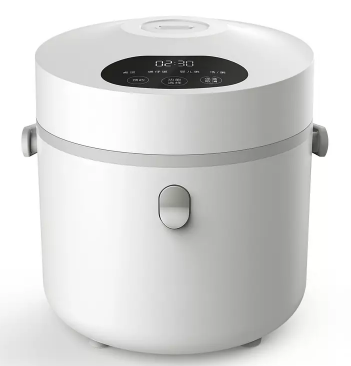
Rice cookers simplify the process and usually come with instructions for jasmine rice. Key tips include:
Rinse rice first to remove starch.
Use the cooker's water measurement lines or follow the 1:1.25 rice-to-water ratio.
Avoid opening the lid during cooking to keep steam trapped.
Let the rice rest in the cooker for 10 minutes after it switches to “warm” mode.
Fluff rice before serving for best texture.
Rice cookers ensure consistent results and free up your time for other meal prep.
Jasmine rice pairs beautifully with many dishes due to its aroma and texture. Here are some favorites:
Thai Basil Chicken and Rice: A quick stir-fry of ground chicken, fresh basil, garlic, and chili served over jasmine rice.
Coconut Jasmine Rice with Cherries: Jasmine rice cooked in coconut milk, mixed with dried cherries and shredded coconut for a sweet, fragrant side.
One-Pan Shrimp and Rice: A simple garlic-spiced shrimp and jasmine rice dish cooked together for a flavorful meal.
Rice Pilaf with Apples and Raisins: Jasmine rice cooked with spices, diced apples, and raisins, offering a sweet-savory twist.
These recipes highlight jasmine rice’s versatility across sweet and savory dishes.
When deciding which rice to use, several factors come into play: health, flavor, texture, and how you plan to cook it. Jasmine rice offers unique qualities, but it’s important to consider your needs and preferences.
Purpose of the dish: Jasmine rice's soft, slightly sticky texture suits Asian dishes like stir-fries, curries, and Thai meals. For pilafs or dishes needing separate grains, long-grain white rice or basmati might be better.
Nutritional goals: If fiber, vitamins, and minerals matter, whole-grain options like brown jasmine rice or other brown rice varieties offer more nutrition than white rice.
Cooking method: Jasmine rice cooks faster and tends to be fluffier and moister. Some rice types require soaking or different water ratios.
Availability and cost: Jasmine rice is widely available but can be pricier than standard white rice. Brown jasmine rice or specialty colored jasmine rice varieties may cost more.
White jasmine rice is a refined grain, low in fiber and some nutrients. It digests quickly, which can cause blood sugar spikes. People managing diabetes or seeking more fiber may prefer brown jasmine rice or other whole-grain rice.
Whole-grain jasmine rice varieties retain bran and germ, providing fiber, vitamins B1 and B3, iron, and minerals. These nutrients support digestion, energy metabolism, and heart health.
Colored jasmine rice (red, purple, black) contains antioxidants that protect cells from damage. These varieties offer additional health benefits but might be less common and more expensive.
Jasmine rice stands out for its popcorn-like aroma and slightly sweet, nutty flavor. This aroma enhances many dishes and can influence taste perception.
Texture-wise, jasmine rice is moist and slightly sticky but fluffy. If you prefer rice where grains stay separate and dry, typical long-grain white rice or basmati may be better.
Brown jasmine rice has a chewier texture and nuttier taste due to bran and germ. Some enjoy this heartier feel, while others prefer the softness of white rice.
Jasmine rice, a fragrant long-grain rice, is often considered a type of white rice due to its processing. While it shares similarities with white rice, jasmine rice offers unique aroma and texture, making it ideal for Asian dishes. Choosing the right rice involves considering factors like nutrition, flavor, and cooking method. Exploring different rice varieties, such as brown jasmine rice, can provide health benefits. Windspro offers a range of rice products, ensuring quality and flavor for diverse culinary needs.
A: Jasmine rice and white rice can be cooked similarly in a rice cooker, but jasmine rice has a distinct aroma and slightly sticky texture, enhancing its flavor.
A: A rice cooker ensures even cooking and brings out jasmine rice’s unique aroma and fluffy texture, making it a convenient option for consistent results.
A: Jasmine rice offers a unique popcorn-like aroma and a slightly sticky texture, which enhances dishes like stir-fries and curries compared to regular white rice.
A: Yes, a rice cooker can cook white, brown, and colored jasmine rice varieties, though water ratios and cooking times may vary slightly for each type.


