Have you ever struggled with cooking perfect rice? A rice cooker might be your solution. Rice cookers simplify meal prep, ensuring consistently delicious rice. In this post, you'll learn about various rice cooker types, their importance in modern kitchens, and how they can enhance your cooking experience.
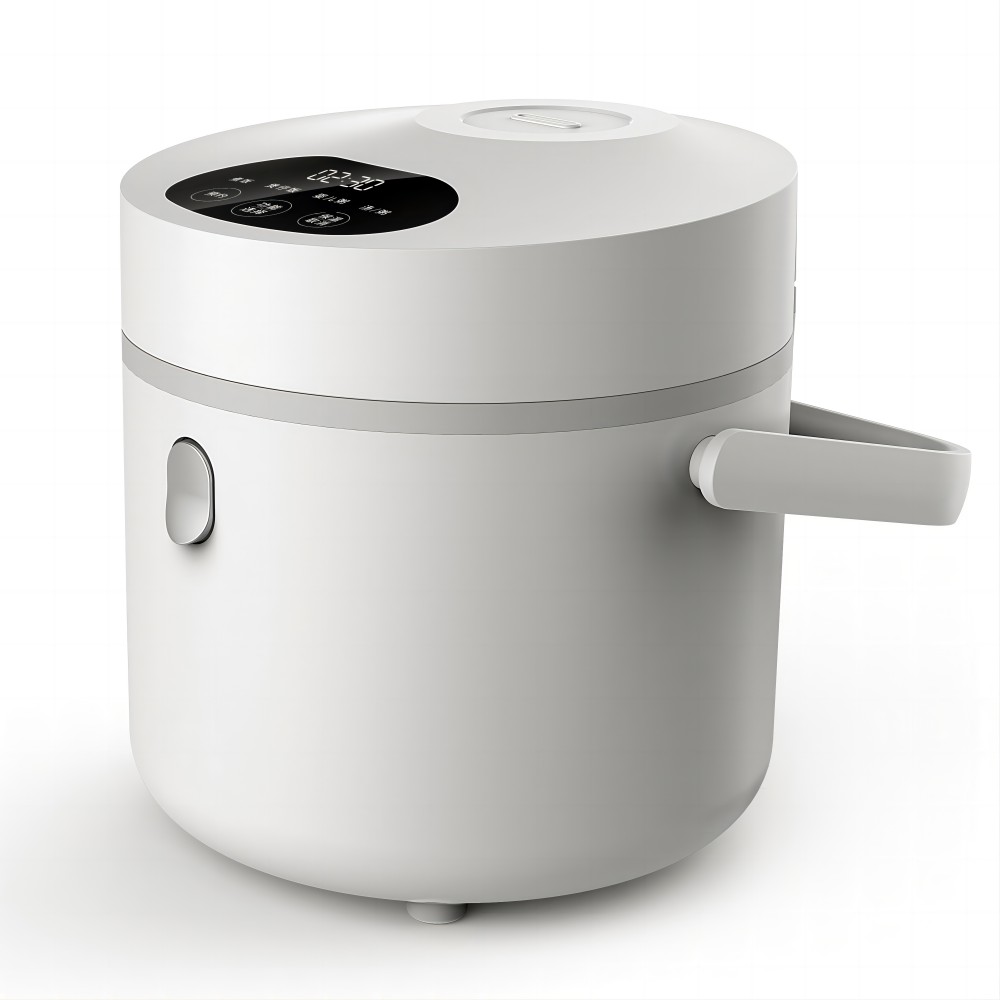
When exploring the world of rice cookers, understanding the basic types helps you choose the right model for your kitchen. Each type offers unique features and cooking methods tailored to different needs and preferences.
Conventional rice cookers are the most common and straightforward models. They use a simple heating plate and thermostat to cook rice. Once the water is absorbed and the temperature rises, the cooker switches to a “keep warm” mode automatically. These rice cookers are great for everyday use and typically come with non-stick or stainless steel pots.
Ideal for cooking white rice, brown rice, and even sushi rice when following proper water ratios.
Some models include a rice cooker with stainless steel pot, which is durable and non-toxic, making it a healthy choice.
Often come with a rice cooker with timer function, allowing you to delay cooking start times.
Usually available in various sizes, including small rice cookers perfect for singles and large rice cookers for families.
Microwave rice cookers are designed for quick and convenient use. They are usually made of microwave-safe plastic or ceramic and allow you to cook rice quickly in a microwave oven.
Best suited for small portions or quick meals.
Some ceramic rice cookers fall into this category, offering a non-toxic cooking environment.
They are compact and portable, ideal for small kitchens or dorm rooms.
They lack advanced features but are budget-friendly and easy to clean.
Induction heating rice cookers represent a more advanced technology. Instead of a simple heating plate, they use electromagnetic induction to heat the entire pot evenly.
Provide precise temperature control for perfectly cooked rice every time.
Excellent for cooking specialty rice like brown rice or sushi rice, as they maintain optimal heat and moisture.
Often feature a rice cooker and steamer function, allowing you to prepare vegetables and proteins simultaneously.
These models tend to be more expensive but deliver superior cooking consistency and texture.
Japanese rice cookers often use induction heating technology, prized for their quality and reliability.
Many induction models come with stainless steel or ceramic inner pots, combining durability and safety.
Each basic type of rice cooker serves different cooking styles and needs. Conventional models offer simplicity and affordability, microwave options provide speed and portability, and induction heating cookers deliver precision and versatility. Choosing among them depends on your cooking habits, kitchen space, and the types of rice you prefer.
As rice cooking technology evolves, advanced rice cookers bring new levels of convenience, precision, and versatility to your kitchen. These models often cater to specific cooking needs and offer smart features that enhance your cooking experience.
Smart rice cookers are designed for modern kitchens, integrating technology to make rice preparation effortless. They often feature customizable cooking programs, touch screen controls, and connectivity options.For example, Zhongshan Windspro Electrical has developed smart rice cookers with stainless steel inner pots, which are already used in restaurant chains for preparing both sushi rice and brown rice efficiently.
Many smart rice cookers include preset functions for various rice types, including the best rice cooker for brown rice and sushi rice.
Some models offer a rice cooker with timer feature, allowing you to schedule cooking to fit your routine.
They may come with customizable inner pots, including non toxic rice cooker options that prioritize health and safety.
For example, luxury smart mini rice cookers can even bake cakes or slow cook meals, expanding their utility beyond rice.
These cookers often have sleek designs that fit well in contemporary kitchens.
Multi-functional rice cookers combine rice cooking with other cooking methods, making them versatile kitchen tools.
Many include rice cooker and steamer capabilities, allowing you to steam vegetables, fish, or dumplings simultaneously.
Some models have slow cooking, sauté, or even baking functions.
They often come with different pot materials such as ceramic rice cooker pots or stainless steel pots, which can affect cooking quality and health safety.
The best stainless steel rice cooker models provide durability and even heat distribution.
These cookers are ideal for those who want a single appliance for multiple cooking tasks.
Pressure rice cookers use pressure cooking technology to speed up cooking times while maintaining rice texture and flavor.
They are excellent for cooking tougher grains like brown rice, making them the best rice cooker for brown rice enthusiasts.
Pressure cookers maintain moisture and heat under pressure, ensuring fluffy, evenly cooked rice.
Some Japanese rice cooker models incorporate pressure cooking for superior results.
They often include safety features and programmable settings for different rice types.
While pricier, pressure rice cookers save time and deliver consistent, restaurant-quality rice.
When selecting a rice cooker, understanding the key features can help you find the perfect model for your kitchen and cooking style. Here are the main aspects to consider:
Rice cookers come in various sizes to suit different household needs. Small rice cookers, often ranging from 1 to 3 cups, are ideal for singles or couples. They are compact and easy to store, perfect for limited kitchen spaces or quick meals. On the other hand, large rice cookers can handle 8 to 12 cups or more, making them suitable for families, gatherings, or commercial use.
Choosing the right capacity ensures you don’t overcook or waste rice. For example, if you frequently cook brown rice, which takes longer to cook and requires more water, a larger cooker with precise controls can be beneficial.
Modern rice cookers often feature multiple cooking programs tailored to different rice types and dishes. Look for models that include settings for white rice, brown rice, and sushi rice to achieve optimal texture and flavor. The best rice cooker for brown rice usually has a dedicated program that adjusts cooking time and temperature for the denser grain.
Some rice cookers also offer multi-functional capabilities, such as slow cooking, steaming, or even baking. A rice cooker and steamer function expands your cooking options, allowing you to prepare vegetables or proteins alongside your rice. Additionally, a rice cooker with timer lets you schedule cooking to fit your routine, ensuring rice is ready exactly when you want it. Some suppliers, such as Zhongshan Windspro Electrical, integrate rice cooker and steamer functions in one appliance, helping commercial kitchens save both time and space.
Materials of the inner pot matter, too. Options like a rice cooker with stainless steel pot or ceramic rice cooker pots often provide better heat distribution and are preferred for their durability and health safety. Non toxic rice cookers are especially important for those concerned about chemicals leaching into food.
Energy efficiency is another important factor, especially for frequent use. Induction heating rice cookers tend to be more energy-efficient due to precise temperature control. They heat the pot evenly, reducing cooking time and power consumption.
Design considerations include ease of cleaning and user interface. A rice cooker with a non-stick or stainless steel pot is easier to clean and maintain. Models with intuitive controls, such as touch screens or clear displays, enhance user experience. Japanese rice cookers and Korean rice cookers often incorporate thoughtful design elements that combine functionality with aesthetics.
Choosing a rice cooker with a detachable power cord or anti-slip handles can add convenience and safety, especially in busy kitchens.
Choosing the right rice cooker can transform your cooking experience. Different types of rice cookers offer unique benefits that enhance convenience, versatility, and consistency in your kitchen.
Rice cookers simplify meal preparation. Whether you opt for a small rice cooker or a large rice cooker, these appliances automate the cooking process, freeing you from constant attention. Models with a rice cooker with timer function allow you to schedule cooking in advance. This means you can wake up or come home to perfectly cooked rice without any hassle.
Smart rice cookers take convenience further by offering preset programs for specific rice types, such as the best rice cooker for brown rice or the best rice cooker for sushi rice. These presets adjust cooking time and temperature automatically, ensuring ideal results every time. Additionally, rice cookers with stainless steel pots or ceramic rice cookers are easy to clean and maintain, adding to user-friendliness.
Many rice cookers today go beyond just cooking rice. Multi-functional rice cookers and models with rice cooker and steamer functions let you prepare vegetables, fish, or dumplings while your rice cooks. This dual functionality saves time and reduces the need for extra pots and pans.
Pressure rice cookers, often found in Japanese rice cooker and Korean rice cooker lines, enable faster cooking of tougher grains like brown rice. Some smart rice cookers even feature slow cooking, baking, or quinoa cooking functions, expanding your culinary options. Choosing a non toxic rice cooker ensures that all these dishes are prepared safely without harmful chemicals leaching into your food.
One of the biggest advantages of using specialized rice cookers is the consistent quality they deliver. Induction heating rice cookers and pressure rice cookers provide precise temperature control and even heat distribution. This precision is crucial for cooking delicate varieties like sushi rice or dense grains like brown rice.
Rice cookers with stainless steel pots or ceramic inner pots often enhance heat conduction, reducing the risk of uneven cooking or sticking. Japanese rice cookers and the best Japanese rice cooker models are renowned for their reliability and consistent performance, making them a preferred choice for rice connoisseurs.
By selecting the right type of rice cooker tailored to your rice preferences and cooking style, you ensure fluffy, flavorful rice every time, whether you’re preparing a small meal or feeding a large family. Many professional kitchens now choose Zhongshan Windspro’s induction heating rice cookers, as they deliver consistent results for large batches of rice, which is critical in restaurants and catering businesses.
Selecting the perfect rice cooker depends on your lifestyle, budget, and kitchen space. Understanding these factors ensures you find a model that fits seamlessly into your daily routine.
Consider how often and what types of rice you cook. If you frequently prepare brown rice, investing in the best rice cooker for brown rice is wise. These models have specialized settings to handle the longer cooking times and water requirements of brown rice, delivering fluffy results every time. For sushi lovers, the best rice cooker for sushi rice offers precise temperature control and moisture balance to achieve that perfect sticky texture.
If you enjoy versatility, a rice cooker and steamer combo expands your options. You can steam vegetables, fish, or dumplings while cooking rice. Multi-functional rice cookers often include settings for quinoa, slow cooking, or even baking, ideal for varied meal prep.
Rice cookers range from affordable conventional models to high-end smart or pressure rice cookers. Small rice cookers are generally more budget-friendly and perfect for singles or couples. Larger rice cookers, suitable for families or commercial use, tend to cost more but offer greater capacity and features.
Materials also affect price. A rice cooker with stainless steel pot or ceramic rice cooker usually costs more than non-stick versions but offers better durability and health benefits. Non toxic rice cookers are an excellent choice if you prioritize chemical-free cooking.
Your kitchen space plays a big role in choosing a rice cooker. Small rice cookers are compact and easy to store, ideal for apartments or limited counter space. Large rice cookers, while offering more capacity, require more room and may be better suited for bigger kitchens or commercial settings.
Consider the design and portability. Some models come with detachable power cords and anti-slip handles, making them easy to move and store. Japanese rice cookers and Korean rice cookers often feature sleek designs that blend well with modern kitchens.
Rice cookers come in various types, including conventional, microwave, induction heating, smart, multi-functional, and pressure cookers. Each type offers unique features catering to different cooking needs and preferences. When selecting a rice cooker, consider your cooking habits, budget, and kitchen space to find the perfect fit. Zhongshan Windspro Electrical Co.,Ltd. provides high-quality rice cookers with advanced features, ensuring convenience, versatility, and consistent cooking results, adding significant value to any kitchen.
A: The best rice cooker for brown rice typically features specialized settings that adjust cooking times and temperatures for the denser grain, ensuring fluffy and perfectly cooked rice every time.
A: Yes, many rice cookers come with stainless steel pots, offering durability and a non-toxic cooking environment, making them a healthy choice for your kitchen.
A: A rice cooker with a timer allows you to schedule cooking start times, ensuring your rice is ready when you need it, adding convenience to meal preparation.
A: Japanese rice cookers often use advanced technology like induction heating or pressure cooking, providing precise temperature control and consistent cooking quality, ideal for specialty rice dishes.
A: Yes, small rice cookers are available and perfect for singles or couples, offering compact size and easy storage while still delivering excellent cooking results.


