Have you ever wondered how a simple grain can boost your health? GABA brown rice, a germinated variety, is packed with nutrients that regular rice lacks.
In this article, we’ll explore what GABA brown rice is and how it’s made. You’ll learn about its impressive nutritional profile, including key vitamins and antioxidants.
Additionally, we’ll discuss how a rice cooker can help you prepare this superfood effortlessly. Get ready to discover the benefits of adding GABA brown rice to your diet!
GABA brown rice is a unique form of brown rice that undergoes a germination process. This method enhances its nutritional profile, making it richer in beneficial compounds. The term "GABA" refers to gamma-aminobutyric acid, a neurotransmitter known for its calming effects on the brain.
Historically, GABA brown rice has its roots in traditional Asian diets. It has gained popularity in recent years due to increasing awareness of its health benefits. The germination process not only boosts its nutritional value but also alters its taste and texture, making it a delightful addition to various dishes.
The germination of brown rice involves a few simple steps:
1. Soaking: Brown rice is soaked in warm water (around 30-40°C) for 8 to 24 hours. This triggers the germination process.
2. Sprouting: During this phase, enzymes are activated, leading to an increase in GABA levels. The rice grains begin to sprout, enhancing their nutritional content.
3. Cooking: After sprouting, the rice can be cooked like regular brown rice. It tends to cook faster and requires less water due to the absorption during germination.
This process not only increases the GABA content but also makes the rice easier to digest and improves its flavor profile.
GABA brown rice is packed with essential nutrients. Here’s a quick overview of what makes it stand out:
Key Nutrients:
GABA: Supports relaxation and reduces anxiety.
Vitamins: Rich in B vitamins, which are crucial for energy metabolism.
Minerals: Contains magnesium and potassium, important for heart health.
Antioxidants: Higher levels compared to regular rice, promoting overall health.
When comparing GABA brown rice with regular brown rice and white rice, the differences become clear.
Nutrient | GABA Brown Rice | Regular Brown Rice | White Rice |
GABA Content | High | Moderate | Low |
Fiber Content | High | High | Low |
Vitamins | B1, B6, E | B1, B3 | Minimal |
Antioxidants | High | Moderate | Low |
Glycemic Index | Lower | Moderate | High |
As shown in the table, GABA brown rice offers a superior nutrient profile. It boasts higher levels of GABA, fiber, and antioxidants, making it a better choice for those seeking health benefits.
In summary, GABA brown rice is not just a food; it's a functional ingredient that can enhance your diet. By incorporating it into meals, you can enjoy its unique flavor and numerous health benefits. Whether you're using a rice cooker or other cooking methods, GABA brown rice is a versatile option that supports a healthier lifestyle.
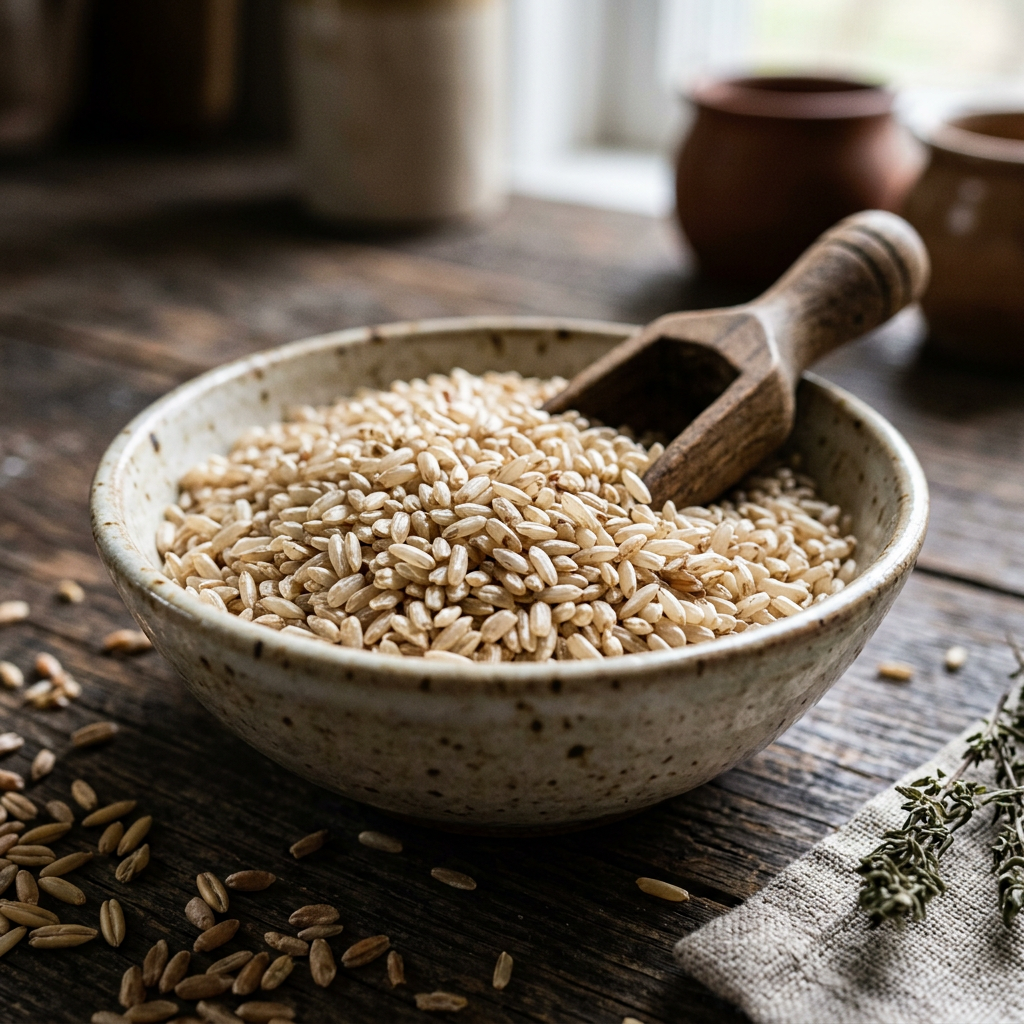
GABA brown rice is known for its calming effects on the nervous system. GABA, or gamma-aminobutyric acid, acts as a neurotransmitter that helps regulate nerve impulses. When consumed, it can promote relaxation and reduce anxiety levels.
Scientific studies have shown that higher GABA levels can lead to improved sleep quality. For example, a study published in the Journal of Nutritional Biochemistry found that participants who consumed GABA-rich foods experienced better sleep patterns and reduced stress.
The role of GABA in cognitive health is significant. It helps maintain a balance between excitation and inhibition in the brain, which is crucial for optimal brain function.
Research indicates that GABA can enhance memory and concentration. For instance, a study conducted by researchers at the University of California found that participants who increased their GABA intake showed improvements in cognitive tasks. This makes GABA brown rice a smart choice for students and professionals alike.
One of the key benefits of GABA brown rice is its improved digestibility. The germination process breaks down complex starches and reduces anti-nutrients, making it gentler on the digestive system.
Who can benefit from this? Individuals with sensitive digestive systems, such as those with irritable bowel syndrome (IBS) or gluten sensitivity, often find GABA brown rice easier to digest. It’s a great option for anyone looking to improve their gut health.
The glycemic index (GI) is a measure of how quickly foods raise blood sugar levels. Foods with a lower GI are generally better for maintaining stable blood sugar. GABA brown rice has a lower GI compared to white rice and even regular brown rice.
This characteristic is crucial for those managing diabetes or looking to control their weight. By incorporating GABA brown rice into meals, you can help stabilize blood sugar levels, preventing spikes and crashes.
GABA brown rice is rich in nutrients that promote cardiovascular health. It contains magnesium and potassium, both essential for maintaining healthy blood pressure levels.
Here’s a quick look at the heart-healthy nutrients found in GABA brown rice:
Nutrient | Benefits |
Magnesium | Helps regulate blood pressure |
Potassium | Supports heart function |
Fiber | Reduces cholesterol levels |
A diet rich in these nutrients can help lower the risk of heart disease. By choosing GABA brown rice, you’re making a heart-healthy choice that benefits your overall well-being.
Incorporating GABA brown rice into your diet not only adds variety but also brings numerous health benefits. From stress relief to improved heart health, it’s a powerful grain that supports a healthier lifestyle.
Cooking GABA brown rice is straightforward, and it starts with soaking. Here’s a simple step-by-step guide to get you started:
1. Rinse the Rice: Begin by rinsing 1 cup of GABA brown rice under cold water. This removes any impurities and excess starch.
2. Soak the Rice: Place the rinsed rice in a bowl and cover it with warm water (about 30-40°C). Soak for 8 to 24 hours. This step activates the germination process, enhancing the rice's nutritional profile.
3. Drain and Rinse Again: After soaking, drain the rice and rinse it again to remove any remaining starch.
4. Cooking: Add the soaked rice to a pot or rice cooker. Use a water-to-rice ratio of 2:1 (two cups of water for every cup of rice). Bring to a boil, then reduce the heat, cover, and simmer for about 30-40 minutes, or until the water is absorbed.
To ensure your GABA brown rice comes out perfectly, consider these tips:
Water Temperature: Using warm water during soaking helps activate enzymes better, leading to improved flavor.
Cooking Time: Adjust the cooking time based on your texture preference. For a firmer texture, reduce cooking time slightly.
Flavor Enhancements: Add a pinch of salt or a splash of olive oil during cooking for added flavor. You can also mix in herbs or spices to complement your dishes.
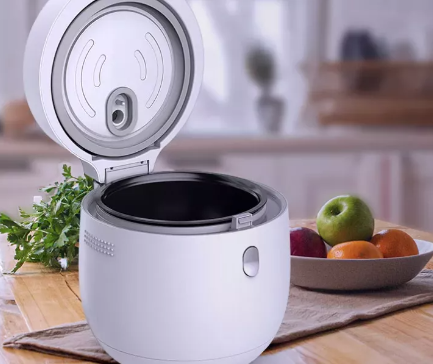
A rice cooker is an excellent tool for preparing GABA brown rice. Here’s why:
Convenience: It automates the cooking process, allowing you to set it and forget it. You can focus on preparing other parts of your meal.
Consistent Results: A rice cooker ensures even cooking, reducing the chances of undercooked or overcooked rice.
When shopping for a rice cooker, consider these features:
GABA Mode: Some models offer a specific setting for GABA brown rice, which maintains optimal temperature for germination.
Capacity: Choose a size that fits your cooking needs, whether for small meals or larger gatherings.
Ease of Cleaning: Look for non-stick inner pots for easy cleanup.
Recommended Brands: Brands like Windspro provide specialized rice cookers designed for GABA rice, ensuring you get the best results.
If you don’t have a rice cooker, don’t worry! You can still enjoy GABA brown rice using other methods:
Stovetop Cooking: This method works well, but requires more attention to prevent burning. Follow the same steps as above, adjusting the heat as needed.
Pressure Cooker: A pressure cooker can significantly reduce cooking time. Use the same water-to-rice ratio but cut the cooking time to about 15-20 minutes.
Instant Pot: This versatile appliance can also cook GABA brown rice effectively. Set it to high pressure for about 20 minutes.
Cooking Method | Pros | Cons |
Rice Cooker | Easy, consistent results | Requires purchase |
Stovetop | No special equipment needed | More hands-on |
Pressure Cooker | Fast cooking | Requires monitoring |
Instant Pot | Versatile, quick | Learning curve for settings |
Cooking GABA brown rice can be a simple and rewarding experience. Whether you use a rice cooker or alternative methods, the key is to enjoy the process and savor the health benefits it brings.
GABA brown rice is not just nutritious; it’s also versatile. Here are some delicious ways to include it in your meals:
Stir-Fries: Sauté your favorite vegetables, such as bell peppers, broccoli, and carrots, in a bit of olive oil. Add cooked GABA brown rice and a splash of soy sauce for a quick and healthy meal.
Grain Bowls: Start with a base of GABA brown rice and top it with grilled chicken or tofu, fresh greens, and a drizzle of tahini or vinaigrette. This combination provides a balanced meal packed with protein and fiber.
Soups: Add cooked GABA brown rice to soups for extra texture and nutrition. It pairs well with vegetable or chicken broth, enhancing the dish's heartiness.
Salads: Mix GABA brown rice into salads for added substance. Combine it with chickpeas, diced cucumbers, tomatoes, and a lemon dressing for a refreshing dish.
To make the most of GABA brown rice, consider these pairing tips:
Proteins: It complements various proteins, from grilled salmon to roasted chickpeas. The nutty flavor of GABA brown rice enhances the taste of these dishes.
Vegetables: Use seasonal vegetables for the best flavor. Leafy greens, roasted root vegetables, and stir-fried options work particularly well.
Herbs and Spices: Don’t shy away from herbs. Fresh cilantro, parsley, or basil can elevate your dish. Adding spices like cumin or turmeric can also enhance the flavor profile.
Presentation can make a meal more enjoyable. Here’s how to serve GABA brown rice attractively:
Layering: Create a vibrant bowl by layering GABA brown rice at the bottom, followed by colorful vegetables and proteins on top. This not only looks appealing but also allows for a mix of flavors in every bite.
Stuffed Vegetables: Use GABA brown rice as a stuffing for bell peppers or zucchini. Bake them until tender, and you’ll have a delicious, nutritious dish that impresses.
Garnishes: Finish your dishes with garnishes like toasted sesame seeds, chopped nuts, or a sprinkle of feta cheese. These add texture and flavor, making the meal even more satisfying.
To take your GABA brown rice dishes to the next level, consider these suggestions:
Citrus Zest: A little lemon or lime zest can brighten up the flavor. Just a pinch goes a long way.
Sauces: Experiment with different sauces, such as teriyaki, peanut sauce, or yogurt-based dressings. They can add depth and richness.
Nuts and Seeds: Toasted almonds, walnuts, or sunflower seeds provide crunch and additional nutrients.
Dish Type | Ingredients | Suggested Pairings |
Stir-Fry | GABA brown rice, mixed vegetables | Grilled chicken, tofu |
Grain Bowl | GABA brown rice, greens | Salmon, chickpeas |
Soup | GABA brown rice, broth | Vegetables, herbs |
Salad | GABA brown rice, fresh veggies | Lemon dressing, nuts |
Incorporating GABA brown rice into your meals is both easy and rewarding. With these recipe ideas and serving suggestions, you can enjoy delicious, nutritious dishes that support your health and wellness.
GABA brown rice offers numerous health benefits, including stress relief, improved digestion, and enhanced brain function. It’s a versatile ingredient that can easily fit into your meals.
We encourage you to try GABA brown rice in your diet. It can be a delicious and nutritious addition to your meals.
Share your experiences with GABA brown rice and your favorite rice cookers. Let’s inspire each other to eat healthier!
A: GABA brown rice is germinated, increasing its GABA content and nutrients compared to regular brown rice.
A: Yes, you can cook GABA brown rice on the stovetop or in a pressure cooker.
A: It typically takes about 40-50 minutes in a rice cooker, depending on the model.
A: Generally, GABA brown rice is safe, but individuals with specific allergies should consult a doctor.
A: Brands like Windspro offer specialized settings for cooking GABA brown rice effectively.


