You are in the kitchen, looking at two rice bags—jasmine and basmati. Understanding the difference between jasmine and basmati rice becomes clear when you open each bag. One smells like flowers, while the other has a nutty aroma. When you cook them, you can taste the difference in every bite and feel the difference in texture. Choosing between jasmine or basmati rice can significantly change your dish, depending on what you want to make.
Jasmine rice is soft and a little sticky. It smells sweet and floral. It goes well with stir-fries and creamy foods.
Basmati rice has long, fluffy grains. It has a nutty smell. The grains stay apart when cooked. This makes it good for pilafs and spicy meals.
Washing jasmine and basmati rice before cooking helps the texture. It also makes the rice better by taking away extra starch.
Picking jasmine or basmati rice can change how your food tastes and feels. Choose the rice that fits your recipe and the texture you want.
Both kinds of rice do not have gluten. They can be used in many ways. But switching one for the other will change how your food tastes and feels.
Image Source: pexels
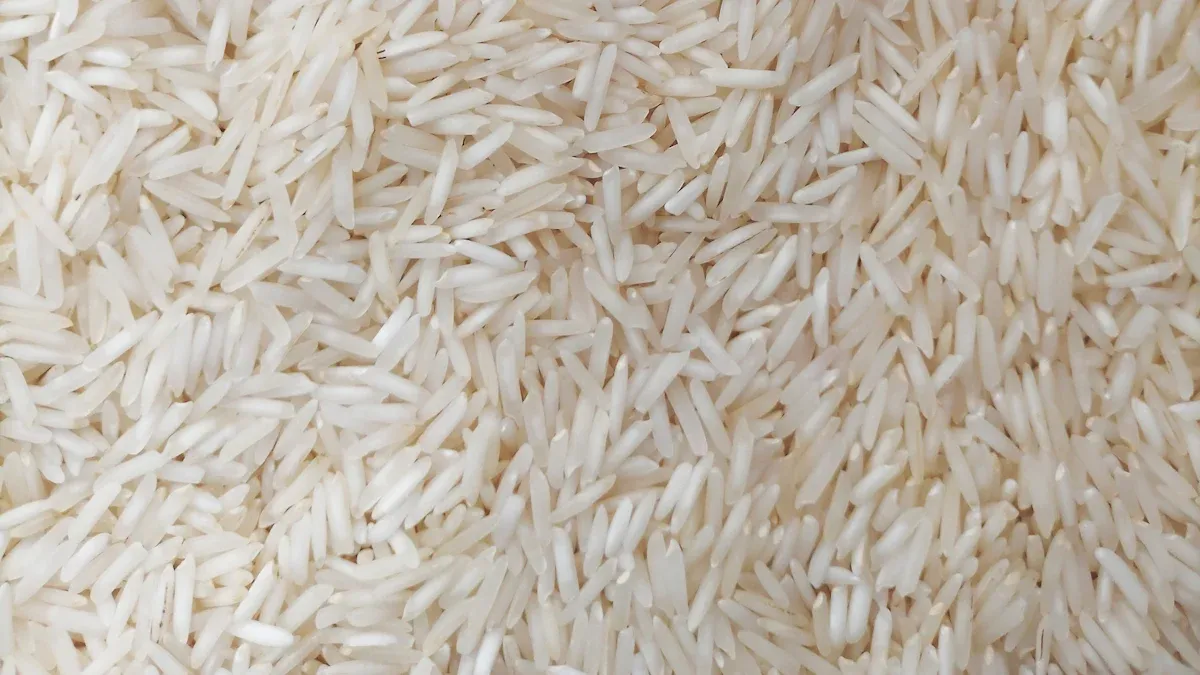
When you try basmati rice, you notice its unique flavor right away. The taste feels mild and slightly sweet, but there is more to it. You might pick up on nutty and floral flavors that make each bite interesting. Many people say basmati rice has a gentle earthiness, which helps it stand out in dishes with lots of spices. The flavor does not overpower your food, so you can use it as a base for both simple and bold recipes. If you want the best quality basmati rice, look for grains that smell fragrant even before cooking. This is a sign of good flavor and freshness.
The texture of basmati rice is one of its best features. When you cook it right, the grains turn long, slender, and fluffy. Each grain stays separate, so you never get a sticky clump. This light and dry texture makes basmati rice perfect for dishes where you want the rice to soak up sauces without getting mushy. You can easily see the difference when you compare well prepared basmati rice to other types. The grains hold their shape and feel soft but never sticky. This texture works well for pilafs, biryanis, and salads.
Basmati rice is famous for its aroma. When you open a bag, you might notice a scent like popcorn or roasted nuts. This comes from a special compound called 2-acetyl-1-pyrroline. The aroma is strong and instantly recognizable, filling your kitchen as the rice cooks. Some people also notice a hint of pandan or even a cracker-like smell. The aroma adds another layer to your meal, making it more enjoyable. If you want to impress guests, the smell of basmati rice cooking will do the trick.
You can use basmati rice in many dishes, but some recipes really let it shine:
Indian biryani, where the rice absorbs spices and stays fluffy
Pilaf (pulao), which highlights the texture and flavor
Persian jeweled rice, full of nuts and dried fruit
Middle Eastern rice salads, where the grains stay separate
Curry accompaniments, letting the aroma and flavor balance strong sauces
Tip: For the best results, rinse basmati rice before cooking. This helps keep the grains separate and brings out the quality of the rice.
Image Source: pexels
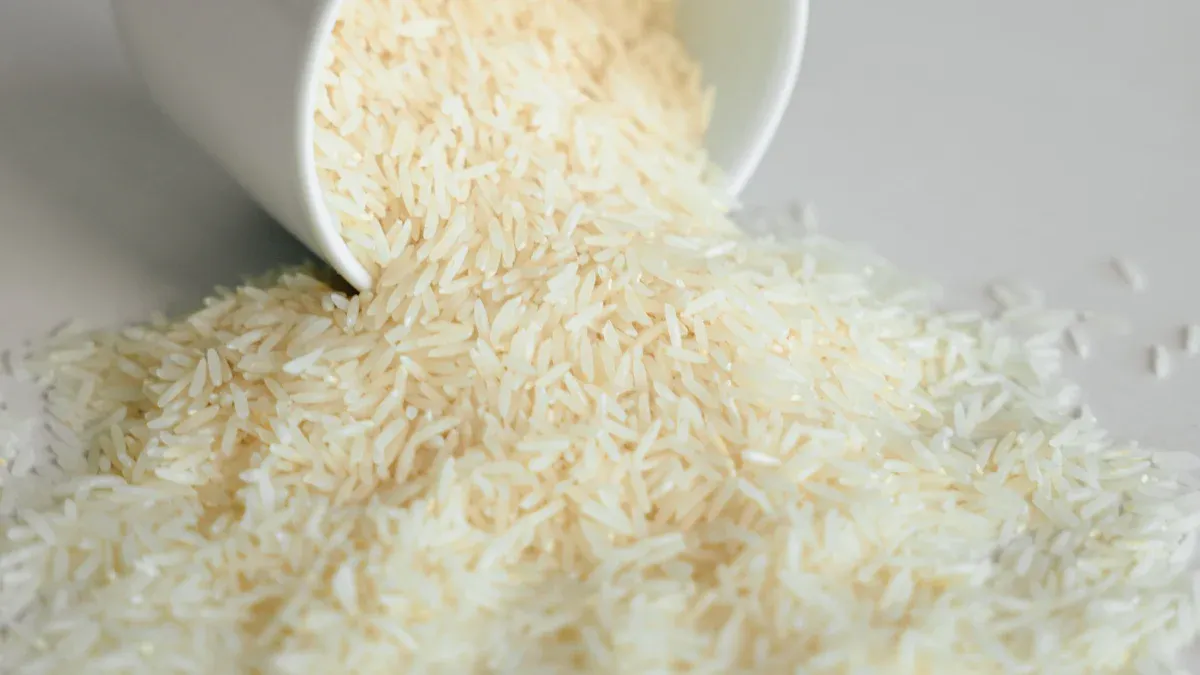
When you taste jasmine rice, you notice a gentle, slightly sweet flavor right away. This flavor feels light and pleasant, never too strong. If you try 100 percent jasmine rice, you get a pure, clean taste that pairs well with many foods. The flavor does not overpower your meal, so you can use jasmine rice with stir-fries, grilled meats, or even simple vegetables. Many people say the flavor reminds them of fresh bread or a hint of butter. You might find that jasmine rice brings out the best in your favorite dishes because it lets other flavors shine. If you want quality rice that works with both mild and bold recipes, jasmine rice is a great choice.
Jasmine rice stands out because of its soft and slightly sticky texture. When you cook 100 percent jasmine rice, the grains cling together just enough to make each bite tender. The texture feels smooth and comforting, which makes it perfect for dishes where you want the rice to hold sauces or mix well with other ingredients. The moisture content in jasmine rice plays a big role here. Higher moisture levels make the rice softer and more cohesive, which means you get a better eating experience. You will notice that quality jasmine rice always feels pleasant in your mouth, never dry or hard. If you want rice that feels just right, pay attention to the texture when you cook it.
Tip: Rinse jasmine rice before cooking to help keep the grains soft and improve the overall quality.
The aroma of jasmine rice is one of its most loved features. When you open a bag, you smell a sweet, floral scent that fills your kitchen. This aroma makes jasmine rice special and easy to recognize. Many people say the smell is calming and inviting, almost like fresh flowers. If you want to impress your family or guests, serve a bowl of jasmine rice and let the aroma do the talking. The scent adds another layer to your meal, making every bite more enjoyable.
Image Source: pexels
When you try basmati rice, you notice its unique flavor right away. The taste feels mild and slightly sweet, but there is more to it. You might pick up on nutty and floral flavors that make each bite interesting. Many people say basmati rice has a gentle earthiness, which helps it stand out in dishes with lots of spices. The flavor does not overpower your food, so you can use it as a base for both simple and bold recipes. If you want the best quality basmati rice, look for grains that smell fragrant even before cooking. This is a sign of good flavor and freshness.
The texture of basmati rice is one of its best features. When you cook it right, the grains turn long, slender, and fluffy. Each grain stays separate, so you never get a sticky clump. This light and dry texture makes basmati rice perfect for dishes where you want the rice to soak up sauces without getting mushy. You can easily see the difference when you compare well prepared basmati rice to other types. The grains hold their shape and feel soft but never sticky. This texture works well for pilafs, biryanis, and salads.
Basmati rice is famous for its aroma. When you open a bag, you might notice a scent like popcorn or roasted nuts. This comes from a special compound called 2-acetyl-1-pyrroline. The aroma is strong and instantly recognizable, filling your kitchen as the rice cooks. Some people also notice a hint of pandan or even a cracker-like smell. The aroma adds another layer to your meal, making it more enjoyable. If you want to impress guests, the smell of basmati rice cooking will do the trick.
You can use basmati rice in many dishes, but some recipes really let it shine:
Indian biryani, where the rice absorbs spices and stays fluffy
Pilaf (pulao), which highlights the texture and flavor
Persian jeweled rice, full of nuts and dried fruit
Middle Eastern rice salads, where the grains stay separate
Curry accompaniments, letting the aroma and flavor balance strong sauces
Tip: For the best results, rinse basmati rice before cooking. This helps keep the grains separate and brings out the quality of the rice.
Image Source: pexels
When you taste jasmine rice, you notice a gentle, slightly sweet flavor right away. This flavor feels light and pleasant, never too strong. If you try 100 percent jasmine rice, you get a pure, clean taste that pairs well with many foods. The flavor does not overpower your meal, so you can use jasmine rice with stir-fries, grilled meats, or even simple vegetables. Many people say the flavor reminds them of fresh bread or a hint of butter. You might find that jasmine rice brings out the best in your favorite dishes because it lets other flavors shine. If you want quality rice that works with both mild and bold recipes, jasmine rice is a great choice.
Jasmine rice stands out because of its soft and slightly sticky texture. When you cook 100 percent jasmine rice, the grains cling together just enough to make each bite tender. The texture feels smooth and comforting, which makes it perfect for dishes where you want the rice to hold sauces or mix well with other ingredients. The moisture content in jasmine rice plays a big role here. Higher moisture levels make the rice softer and more cohesive, which means you get a better eating experience. You will notice that quality jasmine rice always feels pleasant in your mouth, never dry or hard. If you want rice that feels just right, pay attention to the texture when you cook it.
Tip: Rinse jasmine rice before cooking to help keep the grains soft and improve the overall quality.
The aroma of jasmine rice is one of its most loved features. When you open a bag, you smell a sweet, floral scent that fills your kitchen. This aroma makes jasmine rice special and easy to recognize. Many people say the smell is calming and inviting, almost like fresh flowers. If you want to impress your family or guests, serve a bowl of jasmine rice and let the aroma do the talking. The scent adds another layer to your meal, making every bite more enjoyable.
Image Source: pexels
When you taste basmati rice, you notice a gentle flavor that feels both light and satisfying. You might pick up a mild sweetness, but there is also a nutty note that makes each bite interesting. Basmati rice does not overpower your food. Instead, it lets the other flavors in your dish stand out. If you enjoy dishes with lots of spices, basmati rice works well because it balances strong flavors. You can use basmati rice as a base for curries, stews, or even simple grilled meats. The taste stays pleasant, even if you eat it plain. Many people say that basmati rice has a clean finish, which means you do not get a heavy aftertaste.
Tip: Try tasting basmati rice on its own before adding sauces. You will notice the subtle flavors more clearly.
Basmati rice stands out because of its long, slender grains. When you cook it, the grains stay separate and fluffy. You do not get sticky clumps, so each spoonful feels light. This texture makes basmati rice perfect for dishes where you want the rice to soak up sauces without turning mushy. If you like pilaf or biryani, you will see how well basmati rice holds its shape. The grains feel soft but never sticky. You can even use basmati rice in cold salads, and the texture will still be just right.
Fluffy grains
No stickiness
Holds shape in many recipes
The aroma of basmati rice is one of its best features. When you open a bag, you smell a scent like popcorn or roasted nuts. This smell fills your kitchen as the rice cooks. Basmati rice has a strong, nutty fragrance that makes your meal feel special. Some people say it even smells a little like flowers or fresh bread. The aroma adds another layer to your eating experience. If you want to impress your family or guests, just let them smell basmati rice as it cooks.
When you compare the difference between jasmine and basmati rice, taste stands out right away. Jasmine rice gives you a gentle, slightly sweet flavor that feels light on your tongue. It never takes over your meal. Basmati rice, on the other hand, brings a mild sweetness with a nutty note. You might notice a hint of earthiness in basmati rice, which pairs well with bold spices. Both types let other flavors shine, but each has its own charm.
Texture is another key difference between jasmine and basmati rice. Jasmine rice feels soft and a little sticky. The grains cling together, making it perfect for dishes where you want a tender bite. Basmati rice has long, slender grains that stay separate and fluffy. You get a light, dry texture that works well in salads or pilafs. If you want rice that soaks up sauce but stays firm, basmati rice is your best bet.
Aroma can help you tell the difference between jasmine and basmati rice before you even taste them. Jasmine rice fills your kitchen with a sweet, floral scent. It smells almost like fresh flowers. Basmati rice has a strong, nutty aroma, sometimes like popcorn. The smell of each rice adds something special to your meal.
You can cook jasmine rice and basmati rice in different ways, but the method you choose changes the final result. For basmati rice, the absorption method works best. You boil the rice with just enough water, then let it absorb everything. This method keeps the grains fluffy and helps keep more nutrients. If you store cooked basmati rice in the fridge for a day, it can even help lower its glycemic index. Jasmine rice does not have a special cooking method, but rinsing it before cooking helps keep the grains soft.
After cooking, jasmine rice feels moist and slightly sticky. You can scoop it up easily, and it holds together well. Basmati rice stays dry and fluffy, with each grain standing alone. This difference in texture makes each rice better for certain recipes.
Jasmine rice fits well with dishes that have sauces or need a soft base. You can use it in stir-fries, curries, or with grilled meats. Basmati rice works best in recipes where you want the grains to stay separate, like pilafs or salads. You can also use it in sweet or savory dishes.
You can use jasmine rice in many Asian dishes. It works well with Thai curries, fried rice, and stir-fried vegetables. The soft texture and floral aroma make it a favorite for meals that need a gentle touch.
Basmati rice shines in traditional recipes. You might try it in spiced basmati rice pilaf, apple basmati rice, or spinach-almond rice. It also works in rice and lentil porridge, black-eyed pea-basmati salad, and Mediterranean stuffed collard greens. One-pot saffron rice with chicken also uses basmati rice for its fluffy texture.
If you need to swap one rice for the other, think about the difference between jasmine and basmati rice. Jasmine rice brings a soft, sticky texture and floral aroma. Basmati rice gives you fluffy grains and a nutty scent. Substituting one for the other can change the feel and flavor of your dish. Try both and see which one you like best!
You now know how jasmine rice and basmati rice differ in taste, texture, and aroma. Jasmine rice gives you a soft, slightly sticky bite with a sweet, floral scent. Basmati rice stays fluffy and separate, with a nutty aroma. Pick jasmine rice for creamy curries or stir-fries. Choose basmati rice for pilafs or dishes with bold spices. Try both in your kitchen and see which one you like best!
You can swap them in a pinch, but the texture and aroma will change. Jasmine rice feels softer and a bit sticky. Basmati rice stays fluffy and separate. Your dish might taste different, but it will still work.
Let the rice cool. Put it in an airtight container. Store it in the fridge for up to four days. You can freeze it for longer. Reheat with a splash of water to keep it moist.
Too much water or overcooking can make rice mushy. Try using less water next time. Always rinse your rice before cooking. This helps remove extra starch and keeps the grains from sticking together.
Jasmine rice works best for fried rice. Its slightly sticky texture helps the grains hold together. If you use day-old rice, it gets even better. Basmati rice can work, but it may fall apart more easily.
Yes! Both jasmine and basmati rice are naturally gluten-free. You can enjoy them if you have gluten sensitivity or celiac disease. Just check the packaging to make sure there is no cross-contamination.
Tip: Always read labels if you have food allergies. Some rice brands process their products in shared facilities.