Ever wondered if you can safely leave the house with a rice cooker on? This common question concerns many rice cooker users. Understanding the use of rice cookers and their safety features is essential. In this post, you'll learn about the functionality of rice cookers, safety mechanisms, and best practices for safe usage.
Rice cookers are designed to simplify cooking rice by automating the process. Most models operate by heating water and rice together until the water evaporates or is absorbed. Once the cooking cycle completes, the cooker usually switches to a "keep warm" mode, maintaining the rice at a safe temperature without further cooking. This feature allows rice to stay warm for hours without overcooking.
Modern rice cookers come equipped with several safety features to prevent accidents when left unattended:
Automatic Shut-off: Many rice cookers automatically power down or switch to keep warm mode once cooking finishes, reducing the risk of overheating.
Thermal Fuses: Some models include thermal fuses that cut power if the cooker gets too hot.
Heat-Resistant Materials: The outer casing often uses materials that stay cool to the touch, minimizing burn risk.
Non-stick Inner Pots: These prevent rice from sticking and burning, which can otherwise cause smoke or fire hazards.
These mechanisms help make rice cookers safer to leave on for short periods, but they are not foolproof.
Despite safety features, leaving a rice cooker on while away from home carries some risks:
Electrical Faults: Faulty wiring or power surges can cause malfunctions, potentially leading to fires.
Overheating: If the automatic shut-off fails, the cooker may overheat, damaging the appliance or causing smoke.
Food Safety: Leaving cooked rice at warm temperatures for extended periods can promote bacterial growth if the rice is kept too long.
Unattended Use: Any appliance left unattended increases risk because problems may go unnoticed until severe.
Because of these risks, many experts recommend not leaving a rice cooker on when leaving the house for extended periods.
Note: Always check your rice cooker's user manual for specific safety guidelines before leaving it unattended.
Most modern rice cookers include an automatic shut-off function. This feature kicks in once the cooking cycle finishes. It stops the heating element to prevent overcooking or burning the rice. Instead of continuing to cook, the cooker switches to a safer mode, usually called "keep warm." This helps avoid overheating and reduces fire risk. It’s a key safety mechanism that lets you leave the rice cooker on for a short time without worry.
The "keep warm" mode maintains rice at a safe serving temperature after cooking completes. It uses lower heat to keep rice warm without further cooking. This function prevents rice from spoiling quickly but is not meant for long-term storage. Keeping rice warm for too long can promote bacterial growth, so it’s best to consume rice within a few hours. The keep warm mode also helps protect the cooker from damage caused by overheating or burning food.
Another important safety feature is overheat protection. Some rice cookers have sensors that monitor the temperature inside the pot. If the temperature rises beyond safe levels—due to a malfunction or lack of water—the cooker automatically shuts off power. This prevents damage to the appliance and lowers fire risk. Overheat protection acts as a backup if the automatic shut-off fails or if the cooker is used improperly.
Using a rice cooker correctly starts with setting it up properly. Always place the cooker on a flat, stable surface away from edges. Ensure the power cord is intact and plugged into a suitable outlet. Avoid using extension cords that might overload the circuit.
Before cooking, rinse rice thoroughly to remove excess starch, preventing stickiness or burning. Add the correct amount of water as per the cooker’s instructions or rice type. Overfilling can cause spills, while too little water may burn rice or damage the cooker.
Close the lid securely before starting. For electric models, select the appropriate cooking setting. Many modern rice cookers have presets for different rice types or cooking methods. Follow manufacturer instructions to avoid misuse.
Safety during cooking involves more than just the appliance. Keep the area around the rice cooker clear from flammable materials such as paper towels or cloths. Avoid placing the cooker near water sources or sinks to reduce electrical hazards.
Never leave the cooker on an unstable or heat-sensitive surface. Heat generated during cooking can damage some countertops or cause fire risks. Use heat-resistant mats if necessary.
Ventilation is important. Rice cookers release steam during operation, so avoid enclosing them in tight spaces. Ensure the steam vent is unobstructed to prevent pressure buildup.
Maintaining your rice cooker extends its life and ensures safety. Regularly clean the inner pot, lid, and steam vent after each use to prevent residue buildup. Stuck food or clogged vents can cause overheating or malfunction.
Inspect the power cord for any signs of wear or damage. Replace cords or plugs immediately if frayed or cracked. Check the outer casing for cracks or warping, which might indicate internal issues.
Test safety features periodically if possible. Some models have reset buttons or indicators to confirm functionality. If your cooker shows unusual noises, smells, or performance issues, stop using it and consult a technician or manufacturer. Always unplug your rice cooker after use and before cleaning to prevent electrical shocks and prolong appliance life.
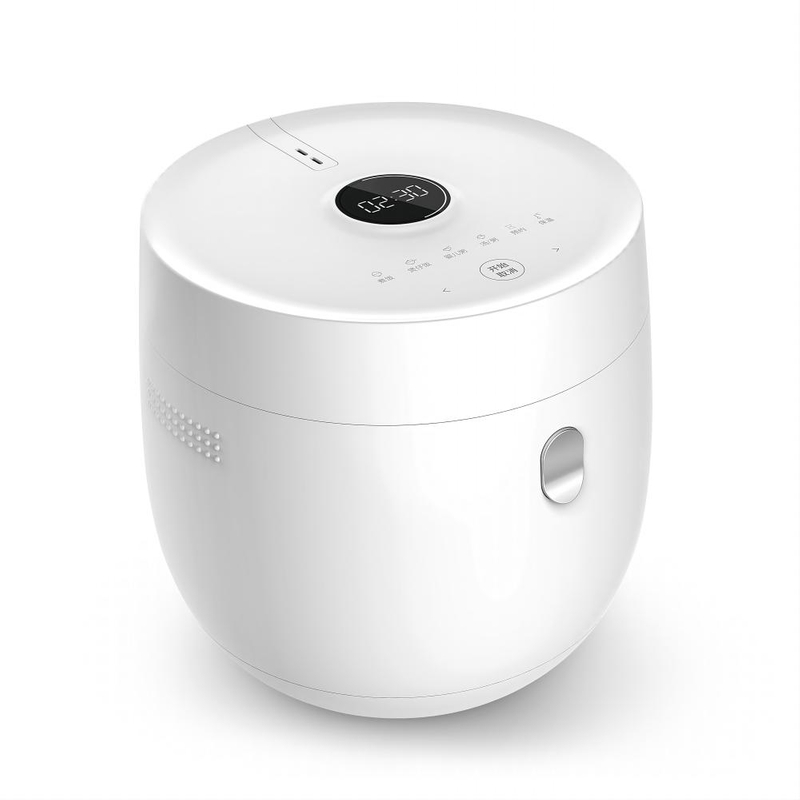
One smart way to avoid leaving your rice cooker on unattended is using a timer. Many modern rice cookers come with built-in timers that let you set cooking to start or stop at specific times. This means you can prepare rice to be ready just as you get home without having to leave the cooker running all day. If your rice cooker lacks this feature, consider using an external plug-in timer switch. These devices cut power automatically after a preset duration, helping reduce risks related to overheating or electrical faults.
Another safe alternative is to cook rice only when you are at home and able to monitor the appliance. This approach eliminates the risk of unattended cooking mishaps. Plan your meals so that cooking fits into your schedule, allowing you to stay nearby. This also ensures the rice is fresh and served at its best quality. If you need rice ready at a certain time, try preparing it shortly before eating rather than hours ahead.
If convenience is your priority, explore other kitchen appliances designed for unattended cooking with enhanced safety. Slow cookers, pressure cookers, or instant pots often have more advanced safety features and programmable timers. These devices can cook rice and other dishes with minimal supervision. Some smart kitchen appliances even allow remote control via smartphone apps, adding an extra layer of convenience and safety. However, always follow manufacturer guidelines and safety instructions for any appliance you choose. Use a programmable timer or smart plug to control your rice cooker remotely, ensuring rice is ready on time without leaving the appliance on unattended.
Many people believe rice cookers are major fire hazards. This myth likely comes from stories of kitchen fires caused by faulty appliances or misuse. However, modern rice cookers are designed with multiple safety features to prevent fires. Automatic shut-off, overheat protection, and heat-resistant materials all reduce fire risks significantly. Most fires linked to rice cookers happen due to neglect, such as leaving the cooker on for too long without water or placing it near flammable materials. When used properly and maintained well, rice cookers are generally safe and not prone to causing fires.
Another common myth is that rice cookers should never be left unattended. While it’s true that any electrical appliance carries some risk when left alone, rice cookers are built to be left on for short periods safely. The automatic keep warm mode activates after cooking, which lowers heat output and prevents burning. However, leaving a rice cooker on for extended times, especially when not at home, is not recommended. Risks include overheating if safety features fail or food spoilage from prolonged warm storage. The key is understanding your rice cooker's functions and following manufacturer guidelines. Regularly inspect your rice cooker and follow manufacturer instructions to dispel myths and ensure safe, worry-free use.
Balancing convenience and safety with rice cookers is crucial. While safety features like automatic shut-off and keep warm modes allow short-term unattended use, leaving them on for extended periods poses risks. Final thoughts on rice cooker usage emphasize following manufacturer guidelines and ensuring regular maintenance for safe operation. Windspro rice cookers offer advanced safety mechanisms, providing value and peace of mind for users. Their products are designed with user-friendly features, making meal preparation efficient and secure. Windspro ensures reliability and quality in their kitchen appliances.
A: While rice cookers have safety features like automatic shut-off, it's generally not recommended to leave them unattended for extended periods due to risks like electrical faults or food spoilage.
A: Modern rice cookers include automatic shut-off, thermal fuses, and heat-resistant materials, which help prevent overheating and reduce fire risks when left on for short periods.
A: The keep warm mode maintains rice at a safe temperature without further cooking, preventing spoilage for a few hours but not suitable for long-term storage.
A: Rice cookers vary in price based on features and brand, ranging from affordable basic models to more expensive ones with advanced safety and cooking options.
A: Consider using a timer to start cooking at specific times or explore other appliances like slow cookers with programmable features for safe unattended cooking.


