Rice cookers are essential in many kitchens today. They make meal preparation easier and more efficient. However, like any appliance, they can encounter problems.
When your rice cooker malfunctions, you face a tough choice: repair or replace it? Understanding common issues is crucial for making the right decision.
In this post, we’ll explore the signs that indicate when to repair your rice cooker and when it’s time to invest in a new one. You'll learn how to evaluate the costs and benefits of each option.
Rice cookers are convenient appliances, but they can develop issues over time. Understanding these common problems is crucial for deciding whether to repair or replace your rice cooker.
One of the most frequent issues is overheating, which can trigger error codes. Common error codes include E1 to E5, each indicating a specific problem. For instance, E1 might signal a temperature sensor failure, while E2 could point to a heating element issue. Recognizing these codes helps in diagnosing the problem quickly.
Error Code | Description |
E1 | Temperature sensor failure |
E2 | Heating element malfunction |
E3 | Overheating detected |
E4 | Power supply issue |
E5 | Internal circuit failure |
Another common concern is power supply problems. A frayed power cord can often lead to inconsistent performance. Look for signs like exposed wires or unusual smells. Additionally, a blown fuse may prevent the cooker from turning on altogether. Addressing these issues promptly can save you from more extensive repairs later.
The cooking surface is critical for effective rice cooking. Scratched or peeling non-stick coatings not only affect cooking quality but can also pose health risks. If the coating deteriorates, it may release harmful substances into the food. Regularly inspect the inner pot for signs of wear and replace it if needed.
Windspro rice cookers, like the 16H Mini model, come with energy-saving features. However, these features can malfunction. Users have reported issues with the automatic shut-off function, which may not engage properly. Understanding these quirks helps users manage their expectations and make informed decisions about repairs.
Customer testimonials provide valuable insights into the reliability of Windspro rice cookers. Many users praise the brand for its consistent performance and durability. For example, Emily from the USA noted, "It changes how I cook—fluffy rice every time." Such feedback highlights the importance of considering user experiences when evaluating whether to repair or replace your rice cooker.
In summary, recognizing common issues and understanding specific problems related to Windspro rice cookers can guide your decision-making process. Knowing when to act can help you maintain a reliable kitchen appliance.
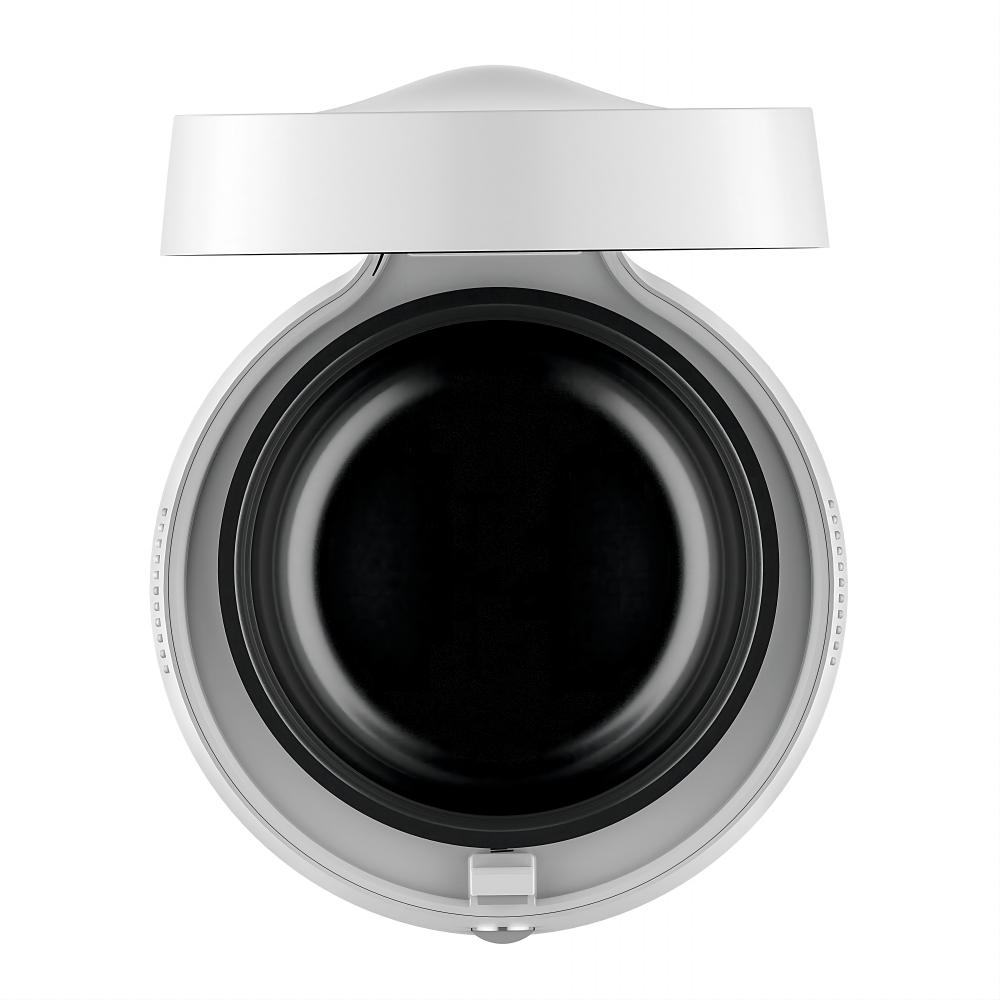
Deciding whether to repair your rice cooker often hinges on the nature of the problem. Some issues are minor and easily fixable, making repair a sensible choice. Let’s explore these minor issues, warranty considerations, and the cost-effectiveness of repairs.
Many common problems can be resolved quickly without professional help. For instance, clogged steam vents are a frequent issue. A simple cleaning can restore functionality. Similarly, unresponsive buttons often result from dirt buildup or moisture. Cleaning the control panel usually resolves this.
Here’s a quick list of minor issues you might encounter:
● Clogged steam vents: Clean regularly to prevent buildup.
● Unresponsive buttons: Wipe the control panel to ensure proper contact.
● Loose power cords: Check connections to avoid power interruptions.
These minor fixes can save you time and money, allowing you to keep enjoying your rice cooker.
Before considering repairs, check if your rice cooker is still under warranty. Many manufacturers offer warranties that cover specific defects or issues. If your cooker is still under warranty, repairs may be free or at a reduced cost. This can significantly affect your decision. Always keep the warranty information handy, as it can save you from unnecessary expenses.
When evaluating whether to repair or replace your rice cooker, consider the "50% Rule." This rule suggests that if repair costs exceed 50% of the price of a new unit, replacement may be the better option.
Here’s a simple breakdown to help with your decision:
Repair Cost Estimate | New Rice Cooker Price | Recommendation |
$40 | $100 | Repair |
$60 | $100 | Repair |
$70 | $100 | Replace |
$80 | $100 | Replace |
If your repair estimate is $70 and a new rice cooker costs $100, you might consider replacing it instead. This approach ensures you make a financially sound decision while keeping your kitchen running smoothly.
Understanding these factors can help you decide when it's worth repairing your rice cooker rather than opting for a new one. By addressing minor issues promptly, checking warranty coverage, and applying the "50% Rule," you can make an informed choice that suits your needs.
Knowing when to replace your rice cooker is crucial for safety and efficiency. Some issues signal an immediate need for replacement, while others relate to age and outdated features. Let’s dive into these factors to help you make an informed decision.
Safety should always be a priority. If you notice smoke or burning smells coming from your rice cooker, it’s time to act. These signs often indicate serious issues, such as electrical faults. Continuing to use a cooker that shows these symptoms can pose significant risks, including fires or electrical shock.
Here are common safety hazards to watch for:
● Smoke: Indicates overheating or electrical failure.
● Burning Smells: Often a sign of damaged wiring or components.
● Unusual Noises: Can signal internal damage or malfunction.
If you experience any of these issues, replacing your rice cooker is the safest option.
Some problems require professional repair, especially if they involve complex components. Issues like a malfunctioning heating element or a broken control panel can be costly to fix. Often, repair costs can exceed the price of a new unit.
Consider this table for a quick comparison of repair versus replacement costs:
Problem | Estimated Repair Cost | New Rice Cooker Price | Recommendation |
Heating element failure | $80 | $100 | Replace |
Control panel malfunction | $70 | $100 | Replace |
Minor wiring issue | $30 | $100 | Repair |
If the repair cost is close to or exceeds the price of a new rice cooker, it’s wiser to replace it.
The age of your rice cooker significantly impacts its performance. Most rice cookers last about 5 to 10 years, depending on usage and maintenance. Older models, especially from brands like Windspro, may not perform as well as newer ones. If your cooker is approaching this age range and shows signs of wear, consider replacing it.
Newer rice cooker models come packed with advanced features that enhance functionality. For example, Windspro’s latest models offer programmable settings, multiple cooking modes, and energy-efficient designs. These innovations not only improve cooking quality but also save time and energy.
Feature | Older Models | Newer Windspro Models |
Cooking Modes | Basic | Multiple (steaming, slow cooking) |
Programmable Settings | Limited | Yes |
Energy Efficiency | Standard | High |
Upgrading to a newer model can provide a more enjoyable cooking experience and better reliability.
Recognizing these signs and understanding the implications of age and features can guide you in deciding whether to replace your rice cooker. Prioritizing safety and functionality ensures you have a reliable kitchen appliance for your cooking needs.
When deciding whether to repair or replace your rice cooker, understanding the costs involved is essential. This section will break down typical repair costs, labor considerations, and the price range for new rice cookers. By evaluating these factors, you can make a more informed decision.
Many rice cooker problems can be fixed, but the costs can vary significantly. Here’s a table outlining some common issues and their estimated repair costs:
Issue | Estimated Repair Cost |
Clogged steam vent | $20 |
Unresponsive buttons | $25 |
Heating element failure | $80 |
Control panel malfunction | $70 |
Power supply issues | $40 |
These costs can add up quickly. If your rice cooker has multiple issues, it might be more cost-effective to consider replacement instead of multiple repairs.
When it comes to repairs, you have two main options: hire a professional or tackle the job yourself. Professional repairs often come with labor costs that can range from $30 to $100, depending on the complexity of the issue.
For simpler problems, DIY repairs can save you money. Basic tasks like cleaning clogged vents or replacing a power cord are manageable for most people. However, if you're unsure about a repair, it’s wise to consult a professional.
Consider these points when deciding:
● DIY Repairs: Cost-effective, but requires some skill.
● Professional Help: Convenient, but can be expensive.
If you decide to replace your rice cooker, knowing the price range is crucial. New rice cookers vary widely in price based on features and brand. For example, basic models can start around $30, while high-end models, like those from Windspro, can go up to $200 or more.
Here’s a quick overview of price ranges:
Type of Rice Cooker | Price Range |
Basic Models | $30 - $60 |
Mid-Range Models | $60 - $120 |
High-End Models | $120 - $200+ |
Windspro offers a variety of models that combine quality and innovative features, making them a solid investment.
Purchasing a new rice cooker can provide long-term benefits. New models often come with advanced cooking modes, energy efficiency, and better safety features. For instance, Windspro's latest models include programmable settings that allow you to customize cooking times and temperatures, enhancing your overall cooking experience.
Investing in a new rice cooker not only improves performance but also ensures reliability. With warranties often included, you gain peace of mind knowing your appliance is protected against defects.
Evaluating these costs and benefits can help you determine whether repairing your current rice cooker is worth it, or if it’s time to invest in a new, more efficient model.
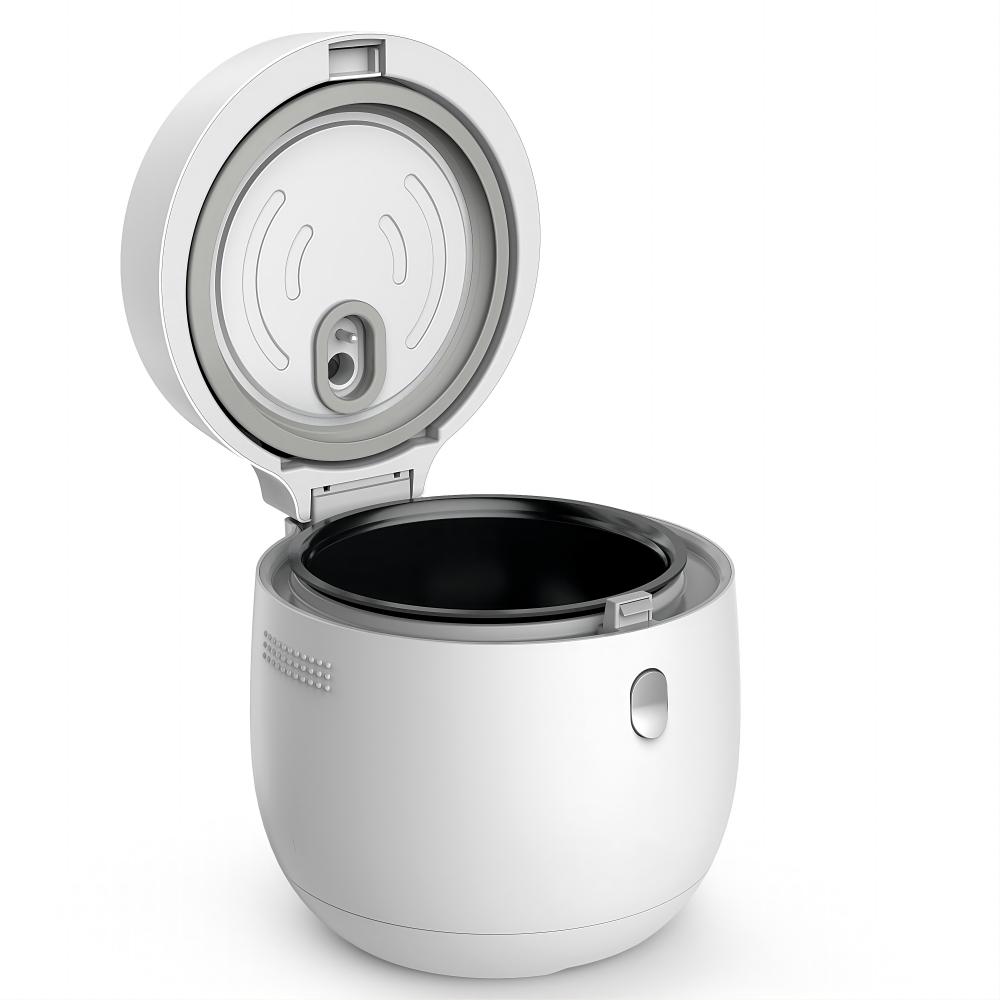
Deciding whether to repair or replace your rice cooker can be challenging. Several key factors come into play, including the severity of the fault, your personal cooking habits, and insights from other users. Let’s explore these aspects to help you make the best choice.
When evaluating whether to repair or replace your rice cooker, start by assessing the severity of the issue. Minor problems, like clogged steam vents or unresponsive buttons, can often be fixed easily and affordably. On the other hand, severe faults, such as heating element failures or electrical issues, may indicate the need for replacement.
To help you determine the severity, consider these questions:
● Is the problem affecting cooking performance? If yes, it may be a significant issue.
● Can you identify the cause of the problem? Knowing this can help you decide if it’s a simple fix.
● How much will repairs cost? If repair costs exceed 50% of a new unit, replacement is wise.
Here’s a quick reference for fault severity:
Issue | Severity Level |
Clogged steam vent | Minor |
Unresponsive buttons | Minor |
Heating element failure | Severe |
Control panel malfunction | Severe |
Your cooking habits and family size significantly influence this decision. If you frequently prepare large meals or enjoy experimenting with various dishes, a versatile rice cooker, like those from Windspro, might be essential. These models offer multiple cooking modes and programmable settings, making them ideal for diverse culinary needs.
Consider how often you use your rice cooker and for what types of meals. If you rely on it daily for family dinners, investing in a high-quality model may be worth it. Conversely, if you use it occasionally, repairing a minor issue could be sufficient.
Hearing from others who have faced similar decisions can provide valuable insights. Many Windspro customers have shared their experiences regarding when to repair or replace their rice cookers.
For instance, Sarah, a busy mom of three, faced a dilemma when her rice cooker started overheating. She initially considered repairs but ultimately opted for a new Windspro model. “It was a game-changer,” she said. “The new features save me time, and I feel safer cooking for my family.”
Another user, Tom, had a minor issue with his rice cooker buttons. He decided to clean them himself, which resolved the problem at minimal cost. “I’m glad I didn’t rush into buying a new one,” he shared.
These testimonials highlight how personal circumstances and experiences can guide your decision-making process.
By considering these key factors—fault severity, personal usage, and customer experiences—you can make a more informed choice about whether to repair or replace your rice cooker. This thoughtful approach ensures you select the best option for your cooking needs and lifestyle.
In this guide, we explored key factors for deciding between repairing or replacing your rice cooker.
We discussed assessing fault severity, considering personal usage, and reviewing customer experiences.
Making an informed decision involves weighing repair costs against the benefits of a new model.
Take the time to evaluate your options based on your unique situation and cooking needs.
A: Refer to the user manual for troubleshooting steps specific to the error code displayed.
A: Regularly clean the steam vent, control panel, and inner pot to prevent clogs and ensure optimal performance.
A: Yes, Windspro is renowned for its quality and customer satisfaction, offering reliable and durable rice cookers.
A: Look for innovative features like programmable settings, multiple cooking modes, and energy efficiency, which Windspro models provide.
A: Assess the severity of the issue, consider repair costs versus replacement costs, and evaluate your cooking needs to make an informed decision.


