Ever wondered why your rice turns out unevenly cooked? The rice cooker might hold the answer. This article explores how rice cookers function and why precise cooking is crucial. You'll learn about factors affecting cooking times for 2 cups of rice, ensuring perfect results every time.
When cooking 2 cups of rice in a rice cooker, seve
ral key factors influence how long it takes to get perfectly cooked rice. Understanding these elements helps you manage cooking times and results better.
Different rice types cook at different speeds because of their unique textures and structures:
White Rice: This is the most common and usually cooks fastest. Its grains are softer and less dense, so it typically takes about 20 to 30 minutes for 2 cups.
Brown Rice: Contains bran layers that make it tougher and require longer cooking, often 30 to 40 minutes for 2 cups.
Aromatic Rice (Jasmine, Basmati): These have long grains and cook quicker than brown rice but slightly slower than white rice, about 15 to 25 minutes.
The rice type significantly impacts cooking time, so knowing what you're cooking is essential.
Water amount directly affects cooking time and rice texture. Too little water leads to undercooked, hard rice; too much creates mushy rice and may extend cooking time due to excess moisture needing evaporation.
For white rice, a common ratio is 1 cup rice to 1.25 cups water.
For brown rice, use around 1 cup rice to 1.5-1.75 cups water.
Aromatic rices usually require slightly less water than brown rice but more than white.
Measuring water accurately, ideally using the rice cooker's measuring cup or internal markings, ensures consistent cooking time and texture.
Your rice cooker's design and technology also affect cooking time:
Digital Rice Cookers: These have smart sensors and multiple cooking modes. They usually take longer (around 27-32 minutes for 2 cups of white rice) but offer precise temperature control and automatic adjustments, which help prevent overcooking.
Pot-Style Rice Cookers: Simpler and straightforward, they cook faster (about 20-25 minutes for 2 cups of white rice) but lack advanced features. They rely on a single heating element and manual timing.
Some rice cookers have moisture and temperature sensors that adjust cooking dynamically, improving results but sometimes increasing cooking time slightly.
Getting the water ratio right is key to cooking perfect white rice. For 2 cups of white rice, the best ratio is about 1 cup rice to 1.25 cups water. This means for 2 cups of rice, use 2.5 cups of water. Washing rice before cooking is essential—it removes excess starch that can make rice sticky or mushy. After washing, the rice grains absorb some water, so the slightly higher water amount ensures the rice cooks evenly and stays fluffy.
Cooking 2 cups of white rice in a rice cooker usually takes between 20 to 30 minutes. The exact time depends on the rice cooker type:
Digital Rice Cookers: These smart cookers take roughly 27 to 32 minutes for 2 cups of white rice. They use sensors to adjust temperature and moisture, ensuring consistent results but sometimes increasing cook time slightly.
Pot-Style Rice Cookers: These simpler models cook faster, around 20 to 25 minutes. They have a single heating element and switch to 'keep warm' mode once done.
Once the rice cooker switches to 'keep warm,' let the rice sit for 10 minutes before fluffing. This resting time helps the grains firm up and absorb any remaining moisture.
Wash rice thoroughly: Rinse 2 to 3 times until water is less cloudy to remove starch.
Use the right water ratio: Stick to 1 cup rice to 1.25 cups water for fluffy texture.
Avoid lifting the lid: Let the cooker do its job without interruptions.
Let rice rest after cooking: Turn off the cooker and let rice sit 10 minutes before serving.
Fluff rice gently: Use a fork or rice paddle to separate grains without crushing them.
Turn off 'keep warm' mode timely: Leaving rice too long on 'keep warm' can dry it out or cause sticking.
Following these steps will give you fluffy, non-sticky white rice every time.
Brown rice is a whole grain rice that retains its bran and germ layers, unlike white rice. These layers give brown rice a nuttier flavor and chewier texture but also make it tougher to cook. The bran acts as a natural barrier, slowing water absorption and requiring longer cooking times.
Because of this, brown rice needs more water and heat to soften properly. It also benefits from soaking before cooking to reduce the cooking time and improve texture. Some rice cookers have a dedicated brown rice setting that adjusts the heat and time automatically for best results.
For 2 cups of brown rice, use about 3 to 3.5 cups of water. This translates to a rice-to-water ratio of roughly 1:1.5 to 1:1.75. The extra water compensates for the bran layers and ensures the grains cook fully without drying out.
If you soak the brown rice for 30 minutes to an hour before cooking, you can reduce the water slightly, closer to 1:1.5 ratio. Always check your rice cooker’s manual, as some models provide specific water guidelines for brown rice.
Cooking 2 cups of brown rice in a rice cooker generally takes between 30 to 40 minutes, longer than white rice due to its tougher outer layers.
Digital Rice Cookers: These usually take about 35 to 40 minutes. Their sensors adjust heat and moisture levels to cook the rice evenly and prevent burning.
Pot-Style Rice Cookers: These cook brown rice in roughly 30 to 35 minutes, relying on a steady heat source but without advanced moisture control.
After cooking, allow the rice to rest for 10 to 15 minutes inside the cooker. This resting period helps the grains absorb any remaining moisture and improves texture.
Aromatic rice varieties like Jasmine and Basmati are popular for their distinctive fragrance and long, slender grains. Jasmine rice, often grown in Thailand, has a soft, slightly sticky texture when cooked, making it ideal for Southeast Asian dishes. Basmati rice, from the Indian subcontinent, tends to be drier and fluffier, with grains that stay separate after cooking. Both types add an elegant touch to meals thanks to their unique aroma and texture.
Cooking aromatic rice in a rice cooker requires a slightly different approach compared to white or brown rice. For 2 cups of Jasmine or Basmati rice, use about 2.25 to 2.5 cups of water. This ratio ensures the grains cook fully without becoming mushy.
The typical cooking time for 2 cups of these aromatic rices in a rice cooker ranges from 15 to 25 minutes. This depends on the rice cooker model and whether the rice was rinsed beforehand. Rinsing removes excess starch, which can affect texture and cooking time.
Digital rice cookers might take closer to 20-25 minutes due to their sensor adjustments.
Pot-style rice cookers usually finish in about 15-20 minutes.
After the cooker switches to 'keep warm,' let the rice rest for 5 to 10 minutes. This resting time helps the grains firm up and enhances the aroma.
Aromatic rice varieties offer a great base for flavor enhancements. Adding spices and herbs during cooking can elevate your rice dish without extra effort:
Whole spices: Toss in a cinnamon stick, cardamom pods, or cloves before cooking. These infuse subtle warmth and depth.
Herbs: Fresh cilantro or mint can be stirred in after cooking for a fresh, vibrant note.
Broth: Swap water for chicken or vegetable broth to add richness.
Aromatics: A small piece of ginger or a crushed garlic clove added before cooking enhances fragrance.
These simple additions work well with Jasmine and Basmati rice, complementing their natural aroma and making your meal more memorable.
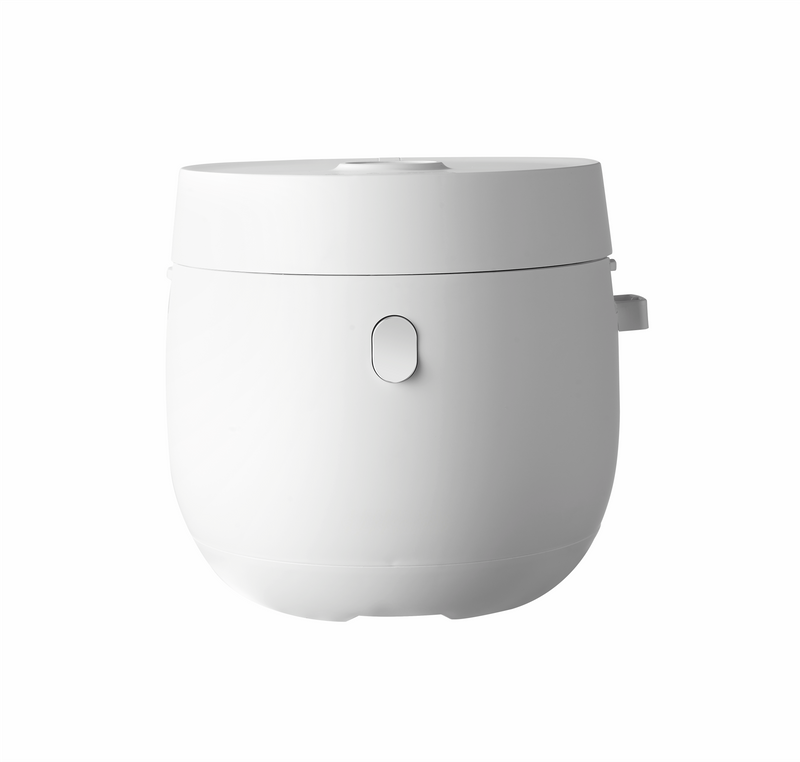
When choosing a rice cooker to cook 2 cups of rice, understanding the difference between digital and pot-style models can help you pick the best fit for your needs. Each type offers unique advantages and affects cooking time and rice quality.
Digital rice cookers come with advanced technology and multiple cooking settings. These smart cookers use sensors to monitor temperature and moisture, adjusting heat automatically for optimal results. For example, a digital rice cooker might take about 27 to 32 minutes to cook 2 cups of white rice. The extra time compared to simpler models is because it cooks the rice more precisely, avoiding overcooking or undercooking.
Key benefits include:
Multiple cooking modes: Options for white rice, brown rice, porridge, and even slow cooking.
Automatic adjustments: Sensors tweak cooking parameters as needed.
Delay timers: You can set the cooker to start cooking later.
Countdown displays: Shows remaining cooking time.
Keep warm mode: Maintains rice temperature without drying it out.
Digital cookers are perfect for those who want consistent results and versatility. They also help if you’re new to cooking rice, as they reduce guesswork.
Pot-style rice cookers are simple and straightforward. They usually have one button or switch to start cooking and an indicator light to show when the rice is done. These models cook faster, typically taking 20 to 25 minutes to cook 2 cups of white rice. The simplicity means less fuss and quicker cooking, but they lack the smart features of digital cookers.
Advantages include:
Faster cooking times: Less waiting for your rice.
Ease of use: Just add rice and water, press the button.
Durability: Fewer electronic parts mean fewer breakdowns.
Affordable: Generally less expensive than digital models.
They're great if you want quick, reliable rice without extra bells and whistles.
Deciding between digital and pot-style rice cookers depends on your priorities:
If you value precision, versatility, and convenience, a digital rice cooker is the way to go. It’s especially useful if you cook different rice types or other dishes regularly.
If you prefer speed, simplicity, and affordability, a pot-style cooker fits better. It’s ideal for straightforward rice cooking without extra features.
Consider how often you cook rice, your budget, and whether you want additional functions like timers or multiple cooking modes. Both types will deliver great rice when used properly, especially if you follow recommended water ratios and rice types.
Cooking rice in a rice cooker seems easy, but small errors can spoil your results. Avoid these common mistakes to get perfectly cooked rice every time.
Water amount is crucial. Too little water makes rice hard and undercooked. Too much water results in mushy, sticky rice. Always measure water precisely using the rice cooker's measuring cup or the markings inside the pot. For 2 cups of rice, follow the recommended ratios for your rice type. Avoid guessing or eyeballing water amounts, as this leads to inconsistent texture and longer or shorter cooking times than needed.
Skipping or rushing rice washing causes problems. Rice grains have surface starch that makes cooked rice sticky or gummy if not rinsed off. Wash rice 2 to 3 times until water runs mostly clear but not overly rinsed. Overwashing can make grains absorb too much water and break apart during cooking. Proper washing helps rice cook evenly and enhances fluffiness.
Rice cookers switch to 'keep warm' after cooking. While this keeps rice ready to eat, leaving rice on 'keep warm' too long dries it out and may cause the bottom layer to stick or burn. For best texture, fluff rice after cooking and serve within 30 to 60 minutes. If you need to store rice longer, cool it quickly and refrigerate instead of leaving it on 'keep warm' mode.
Understanding factors like rice type, water ratio, and rice cooker model is essential for perfect rice. Experiment with various rice types to discover your preferred flavor and texture. For consistent results, measure water accurately, rinse rice, and avoid extended 'keep warm' times. Consider using a Windspro rice cooker, offering advanced features and reliable performance, ensuring fluffy, perfectly cooked rice every time.
A: Cooking time varies by rice type and cooker model. White rice typically takes 20-30 minutes, while brown rice requires 30-40 minutes. Aromatic rice cooks in 15-25 minutes.
A: Brown rice has bran layers that need more water and time to cook. Digital rice cookers adjust heat and moisture, extending cooking time for better texture.
A: For white rice, use 1 cup rice to 1.25 cups water. Brown rice needs 1 cup rice to 1.5-1.75 cups water. Aromatic rice requires a slightly lower ratio.


