Looking for the perfect rice cooker? Whether you're a busy professional or a family cook, a rice cooker is a game-changer in the kitchen. Choosing the right one can make your cooking experience easier and more enjoyable. In this article, we’ll explore how to choose the right rice cooker for your needs. From different types and features to understanding sizes and materials, we’ve got you covered. By the end, you’ll know exactly which rice cooker fits your kitchen and lifestyle.
Choosing the right rice cooker is crucial for efficient cooking and perfect results. Here’s a quick summary of the key points to consider:
Capacity: Select a rice cooker that matches the size of your household and cooking habits to avoid energy waste.
Type: Decide between basic, microcomputer-controlled, induction heating, or multi-functional rice cookers based on your needs.
Inner Pot Material: Choose from non-stick, stainless steel, or ceramic inner pots based on durability, ease of cleaning, and heat retention.
Additional Features: Look for timers, keep-warm functions, and self-cleaning options for added convenience.
Budget: Determine your price range, balancing features and quality within your budget.
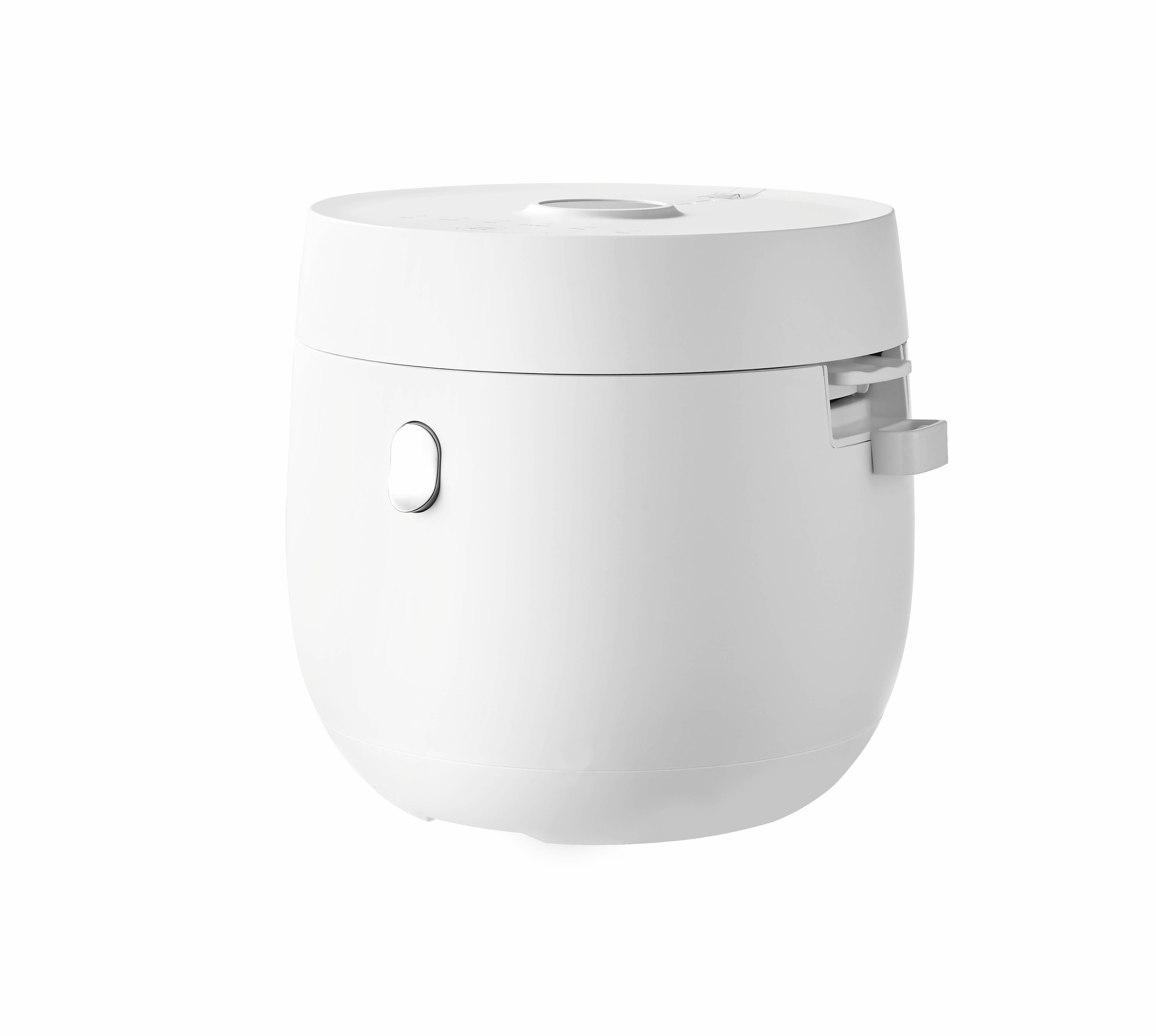
When choosing a rice cooker, one of the most important factors to consider is how much rice you’ll need to cook. The size of your household directly impacts the capacity you’ll need in a rice cooker. If you’re cooking for a small family or living alone, a compact rice cooker with a smaller capacity—around 3 cups—should be sufficient. However, if your household has several members or if you cook rice in large batches, you may want to opt for a larger model, such as a 5-cup or 10-cup rice cooker.
| Household Size | Recommended Rice Cooker Capacity |
|---|---|
| 1-2 people | 3-cup rice cooker |
| 3-4 people | 5-cup rice cooker |
| 5 or more people | 10-cup rice cooker |
It's also crucial to consider how often you'll use the rice cooker. If you cook rice daily, you’ll want a cooker with the appropriate size to match your daily needs. For example, a 3-cup rice cooker will yield about 6 servings of cooked rice, which is perfect for 1-2 people. For families of 4 or more, a 5- or 10-cup rice cooker might be better suited.
If you frequently entertain guests or have large gatherings, you may want to purchase a rice cooker with a larger capacity. However, it’s important to note that using a large rice cooker for small batches can result in uneven cooking and a shorter lifespan of the cooker. Therefore, it's better to choose a size that meets your daily cooking needs and only opt for a larger one if you often cook for many people.
Avoid buying an oversized rice cooker if you don’t cook large quantities regularly. It can waste energy and produce subpar results.
For those who need a simple, no-frills appliance, a basic rice cooker is an ideal choice. These models typically have simple controls like a single button for cooking and a "keep warm" function. Basic rice cookers are often more affordable and perfect for casual cooks who don’t need additional features.
If you're looking for a rice cooker that delivers better quality rice, consider a microcomputer-controlled model. These cookers use “fuzzy logic” technology to adjust cooking temperature and time automatically, making them more versatile. They typically include features like cooking different types of rice (white, brown, sushi) and other functions such as porridge and slow cooking.
Microcomputer-controlled rice cookers are ideal for those who want perfectly cooked rice with minimal effort and extra functionality for different recipes.
Induction heating rice cookers offer the most advanced cooking technology. They use electromagnetic induction to heat the entire inner pot, resulting in even and efficient cooking. These cookers are ideal for people who appreciate fluffy, perfectly cooked rice every time and are willing to invest in a high-end appliance.
IH rice cookers are typically more expensive but offer superior cooking performance, making them a great option for rice enthusiasts.
Some rice cookers come with multiple cooking functions beyond just rice. These models can steam vegetables, cook soups, and even bake cakes. Multi-functional rice cookers are perfect for those who want an all-in-one appliance for various kitchen tasks.
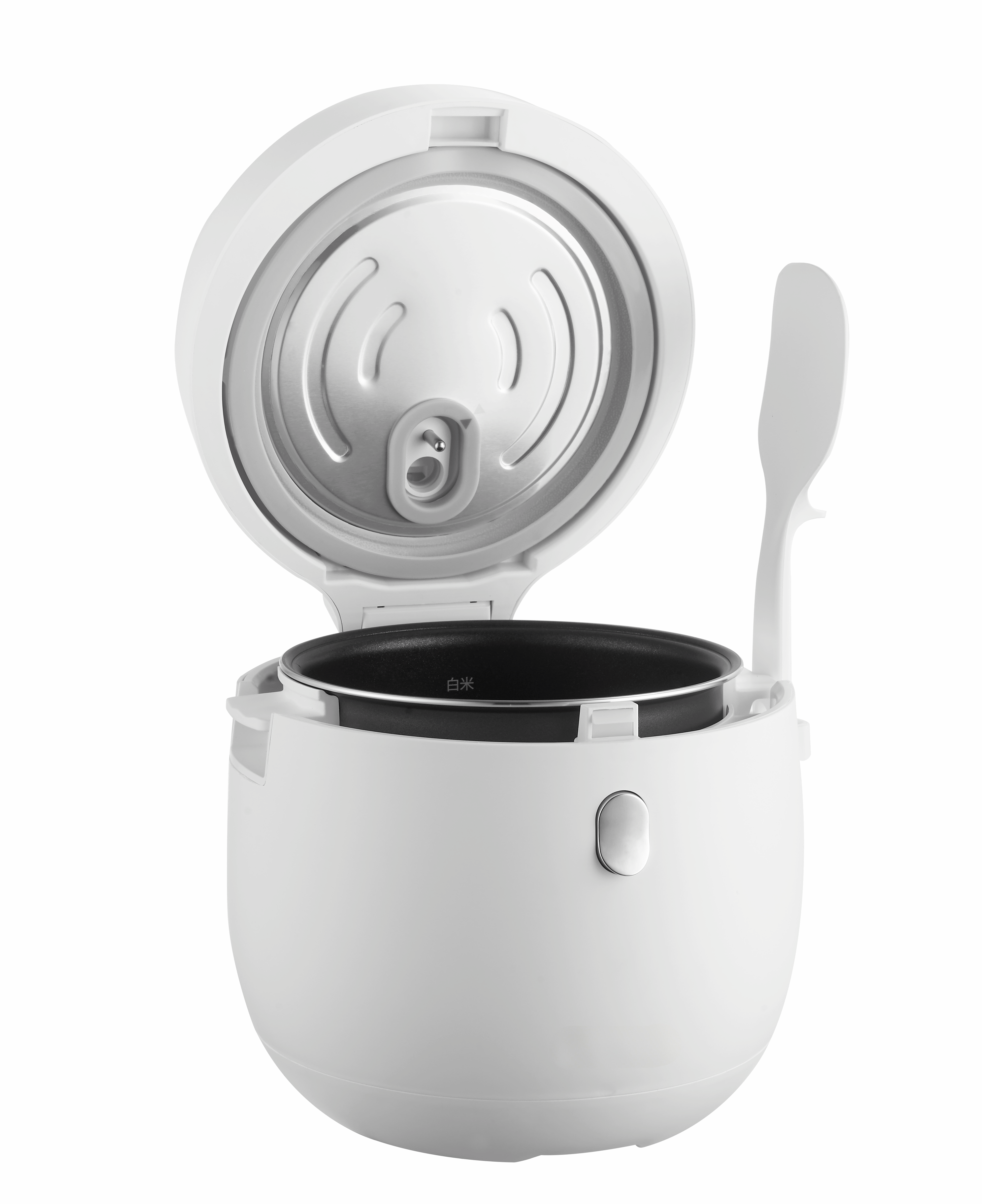
Non-stick inner pots are popular due to their easy cleanup and ability to prevent rice from sticking. However, they can wear out over time, especially if you use metal utensils or scrub them too harshly. Non-stick pots are best for those who value convenience and don’t mind replacing the pot after prolonged use.
Stainless steel is a durable, non-reactive material that is resistant to scratches. While stainless steel inner pots are more difficult to clean than non-stick ones, they offer a long lifespan and excellent cooking consistency. They are also a good choice for those concerned about the chemicals in non-stick coatings.
Stainless steel inner pots are perfect for people who prioritize durability and easy maintenance.
Ceramic inner pots are becoming increasingly popular due to their excellent heat retention properties. They allow for even cooking and can help produce fluffier rice. These pots are also chemical-free, making them a healthier option. However, they tend to be heavier and may break more easily if mishandled.
| Material | Pros | Cons |
|---|---|---|
| Non-Stick Coating | Easy to clean, prevents sticking | Wear and tear over time |
| Stainless Steel | Durable, scratch-resistant | Harder to clean, cooking may be uneven |
| Ceramic | Excellent heat retention | Heavy, may break easily |
Note: Ceramic pots are ideal for those looking for a non-toxic cooking surface and better heat retention.
A timer function allows you to set your rice cooker to start cooking at a specific time, ensuring that the rice is ready when you need it. This feature is particularly useful for busy households or those who want their rice cooked and ready for meals at a certain time.
The keep warm function ensures that your rice stays at an ideal serving temperature for hours after cooking. This feature is essential for people who want to keep rice warm without drying it out.
A rice cooker with an automatic keep warm function helps you maintain the perfect texture of your rice for extended periods.
Self-cleaning is a feature available in some high-end models, simplifying maintenance. It helps clean the inner pot and the cooking chamber, reducing the amount of manual cleaning required.
Basic rice cookers typically range from $30 to $100. These models offer simple functionality and are ideal for those who want a no-frills cooking experience.
High-end models, including microcomputer-controlled and induction heating rice cookers, typically range from $200 to $600. These models come with advanced features, multiple cooking functions, and superior performance.
If you're willing to invest in a high-quality rice cooker, it will provide better results and more versatility in the long run.
Choosing the right rice cooker is key to consistently cooking perfect rice. Whether you need a basic model or a high-end multi-functional cooker, understanding your needs is essential. Consider factors like size, features, and budget to find the best fit. By selecting the right rice cooker, you can enjoy great rice with ease.
Always evaluate your household's rice consumption and the features you need before purchasing. This ensures you get the most value from your rice cooker. For those looking for versatile functionality, WINDSPRO offers a multi-function rice cooker with quick cook technology, perfect for modern kitchens.
A: A rice cooker is a kitchen appliance designed to cook rice by using heat and steam. It simplifies the process by automatically adjusting cooking time and temperature.
A: Choose a rice cooker based on your household size, rice consumption, and desired features. Consider capacity, type (basic or multi-functional), and additional functions like a keep-warm feature.
A: A rice cooker ensures consistent, perfect rice every time. It saves time, reduces effort, and allows for hands-off cooking, freeing up your time for other tasks.
A: Prices vary from $30 for basic models to over $600 for high-end rice cookers with advanced features. Consider your budget and the features you need to find the best value.


