In recent years, mini smart rice cookers have gained popularity, revolutionizing modern kitchens. As consumers demand more convenient and energy-efficient appliances, these compact devices have become essential for busy households. Technological innovations, including AI algorithms and IoT integration, are reshaping the market. In this article, we will explore the latest advancements in mini smart rice cookers for 2026. You’ll learn how these innovations address common challenges like cooking precision, energy efficiency, and ease of use.
AI and Smart Algorithms: Mini rice cookers for 2026 are integrating AI to enhance cooking precision and personalize user preferences.
IoT Connectivity: The role of IoT in enabling remote control, real-time monitoring, and integration with smart home ecosystems.
Health-Conscious Features: New cookers include nutrient-preserving technology and multi-cooking functions for healthier meal preparation.
Eco-Friendly Designs: Innovations focus on energy efficiency, sustainable materials, and eco-conscious manufacturing processes.
Enhanced User Experience: Streamlined interfaces, voice control, and multilingual support improve the overall user experience.
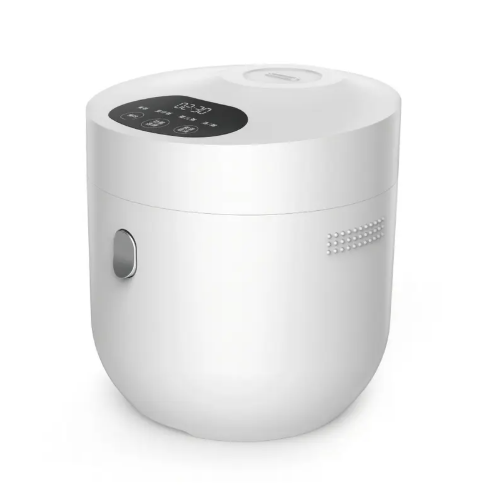
AI-powered cooking algorithms are one of the most exciting innovations in mini smart rice cookers. These algorithms adapt cooking times and temperatures based on user preferences and past behavior. By learning from how you cook rice, the cooker can make adjustments to ensure that every batch of rice is cooked to perfection. Whether you prefer softer or firmer rice, the AI algorithm tailors the cooking process for optimal results.
With AI integration, these mini rice cookers achieve a higher level of precision, particularly when cooking different types of rice, such as sushi rice, brown rice, or jasmine rice. The AI technology adjusts the cooking process to account for variations in rice type, water level, and even environmental factors like altitude, ensuring the best possible texture and flavor every time.
Smartphone app control is another game-changing feature that mini smart rice cookers now offer. Through apps, users can remotely monitor the cooking process, adjust settings, or start cooking from anywhere, providing unmatched convenience. This level of control is especially helpful for busy individuals who want to have dinner ready when they arrive home without any hassle.
With the growing popularity of voice assistants like Google Assistant and Amazon Alexa, many new mini rice cookers come with voice control capabilities. Users can simply say commands like "start cooking rice" or "set the timer for 15 minutes," making the cooking process even more hands-free. This integration enhances convenience and ensures that users can multitask while their rice is cooking.
Mini smart rice cookers are becoming an integral part of the broader smart home ecosystem. These devices can now sync with other IoT-enabled appliances, such as refrigerators, ovens, and even coffee makers, for a more streamlined and efficient kitchen. For instance, some rice cookers can connect with a smart fridge to suggest recipes based on the ingredients available, or they can work with a smart oven to time meal preparation in a coordinated manner.
Thanks to IoT integration, consumers can now control their mini rice cookers remotely, even when they are on the go. Whether you're at work or on your way home, you can use your smartphone to start cooking, adjust settings, or receive real-time updates about your cooking progress. This capability allows for a more flexible, on-demand cooking experience.
The IoT-enabled mini rice cookers now offer real-time monitoring and diagnostic capabilities. These cookers can send notifications if there’s a maintenance issue, such as a malfunction or clogged filter, ensuring that users can address problems before they affect the cooking process. Self-diagnosis features contribute to a more seamless user experience by minimizing unexpected interruptions during cooking.
Energy efficiency is becoming increasingly important in kitchen appliances. IoT-enabled rice cookers are now equipped with energy monitoring tools that help users track energy consumption. These features not only encourage consumers to be more mindful of their energy usage but also help them save on electricity costs in the long run.
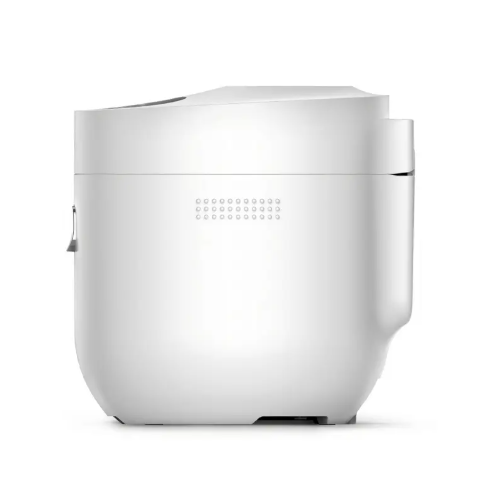
Health-conscious consumers are increasingly looking for appliances that help them prepare nutritious meals. Mini rice cookers are now equipped with smart temperature control features that minimize nutrient loss during cooking. By regulating the temperature precisely, these cookers preserve vitamins and minerals, ensuring that the rice retains its nutritional value.
Many 2026 models feature multi-functional capabilities that allow users to steam vegetables, cook quinoa, or even slow-cook stews in addition to cooking rice. These multi-cooking functions cater to health-conscious consumers who want to prepare balanced meals using one appliance. Steaming, for example, is a cooking method that helps retain nutrients and reduces the need for added fats, making it an ideal feature for healthy cooking.
| Innovation | Description | Environmental Impact |
|---|---|---|
| Energy-Efficient Design | Smart algorithms for optimized cooking time | Reduces power consumption by 30% |
| Sustainable Materials | Use of recycled materials in construction | Minimizes environmental footprint |
| Eco-Friendly Packaging | Packaging made from biodegradable materials | Reduces waste in landfills |
Emerging mini rice cookers are integrating nutritional trackers that monitor the calorie content of meals prepared. This feature helps users keep track of their food intake and stay on top of their health goals. For individuals with specific dietary requirements or those looking to manage their weight, these features provide valuable insights into the nutritional value of their meals.
In response to growing environmental awareness, mini rice cookers are becoming more energy-efficient. New models use materials and design changes that reduce the environmental impact of production and operation. These energy-efficient appliances use less power and contribute to a more sustainable lifestyle by reducing electricity consumption.
The latest rice cookers are equipped with cooking algorithms that optimize cooking times and energy usage. By adjusting cooking times based on the amount of rice and water, these cookers minimize waste and reduce overall energy consumption. These energy-saving features appeal to eco-conscious consumers who are looking to reduce their carbon footprint.
Manufacturers are increasingly using recycled materials in the construction of mini rice cookers. In addition, there is a growing demand for eco-friendly packaging, which reduces waste and ensures that the product's entire lifecycle has minimal environmental impact. These sustainable practices are gaining traction among consumers who are prioritizing green products.
As more people embrace smart appliances, mini rice cookers are designed with intuitive interfaces to ensure ease of use. The trend toward simplified touchscreens and user-friendly controls makes it easy for anyone, regardless of age or technical ability, to use these cookers effectively. This focus on simplicity and usability enhances the overall user experience.
New models of mini rice cookers allow users to create and save personalized cooking settings for different types of rice or dishes. This customization feature ensures that users can tailor the cooking process to their specific preferences, enhancing convenience and satisfaction.
| Feature | Voice-Control Integration | App-Control Integration |
|---|---|---|
| Ease of Use | Hands-free operation with voice commands | Control cooking remotely from smartphone |
| Compatibility | Works with Alexa, Google Assistant | Available on iOS and Android platforms |
| Convenience | Operate while multitasking | Set cooking parameters on the go |
Mini smart rice cookers are expanding their accessibility by offering multilingual support. This feature allows users from diverse backgrounds to interact with their devices in their native languages, making them more inclusive for global markets.
Another significant advancement is the integration of voice feedback systems. These systems notify users of the cooking status, such as when the rice is ready or if there’s an issue with the cooker. This voice feedback enhances the hands-free control experience and ensures that users stay informed throughout the cooking process.
The mini smart rice cookers for 2026 offer advanced features like AI-driven cooking algorithms, IoT connectivity, health-conscious functions, and eco-friendly designs. These innovations not only enhance cooking precision but also support a more sustainable lifestyle.
As the market evolves, mini smart rice cookers are transforming consumer interaction with kitchen appliances, providing greater convenience and personalization. Consider upgrading your kitchen with the latest innovations, such as those offered by WINDSPRO. Their compact smart rice cooker for solo meals combines cutting-edge technology with energy efficiency, offering a perfect solution for busy individuals. Experience better cooking and healthier meals with their smart features.
A: The latest mini rice cookers for 2026 feature AI-driven cooking algorithms, IoT connectivity, and health-conscious functions like nutrient preservation and multi-cooking options.
A: AI algorithms in rice cookers adapt cooking times and temperatures based on user preferences, ensuring more precise and personalized results for different rice types.
A: Eco-friendly designs reduce energy consumption, minimize waste, and support sustainability, helping consumers make environmentally conscious choices while cooking efficiently.


