Rice cookers have become a staple in many kitchens, offering a simple and efficient way to prepare rice. Among the various materials available, stainless steel has become increasingly popular for its durability and sleek design. In this article, we will explore the pros and cons of stainless steel rice cookers, helping you decide if this model fits your needs. From health benefits to performance, you'll learn everything you need to make an informed decision.
Durability: Stainless steel rice cookers are highly durable, resistant to scratches and corrosion, and are a long-term investment for your kitchen.
Health Benefits: They are free from harmful coatings, offering a chemical-free cooking experience, which preserves the natural flavor of the rice.
Aesthetic Appeal: Their sleek and modern design fits well in contemporary kitchens, making them both functional and stylish.
Rice Sticking: While they offer many benefits, stainless steel rice cookers may cause rice to stick, but this can be mitigated by proper maintenance.
Price and Portability: They are generally more expensive than other materials and heavier, which might impact portability.
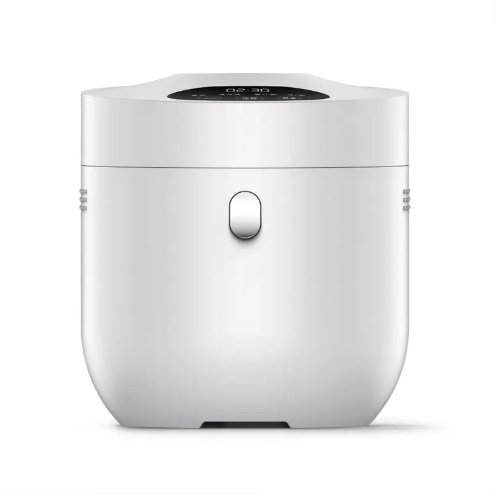
Stainless steel rice cookers are known for their impressive durability. They resist scratches, dents, and corrosion, making them ideal for daily use. Stainless steel is less likely to warp or degrade over time, ensuring your rice cooker lasts for many years with proper care.
| Feature | Stainless Steel | Other Materials |
|---|---|---|
| Durability | Highly durable and scratch-resistant | May chip or dent over time |
| Corrosion Resistance | Excellent resistance to corrosion | Vulnerable to rust and damage |
| Maintenance | Easy to clean, low maintenance | Requires more frequent upkeep |
Stainless steel rice cookers do not contain harmful coatings like Teflon, making them a safer option for cooking. They are non-reactive, meaning they won’t leach harmful chemicals into your food. This makes them a great choice for health-conscious consumers.
In addition to functionality, stainless steel rice cookers are aesthetically pleasing. Their shiny, sleek finish complements modern kitchen designs, and their minimalist style adds a touch of sophistication to your kitchen decor.
Stainless steel rice cookers are known for their easy-to-clean surfaces. The polished exterior prevents food from sticking and can often be cleaned with just warm soapy water. Many models are also dishwasher-safe, further enhancing convenience.
| Cleaning Feature | Stainless Steel | Other Materials |
|---|---|---|
| Cleaning Ease | Easy to wipe and wash | May require more effort |
| Dishwasher Safe | Many models are dishwasher-safe | Not all are dishwasher-safe |
| Stain Resistance | Resists staining with regular care | Prone to stains or discoloration |
Stainless steel does not react with acidic or alkaline foods, allowing for the natural flavors of the rice to shine through. This makes it an ideal choice for cooking various types of rice and other grains without altering their taste.
Stainless steel rice cookers are designed to handle high temperatures without warping or degrading. This makes them safe for high-heat cooking and ensures consistent performance even during long cooking sessions.

One of the main downsides of stainless steel rice cookers is that rice can sometimes stick to the bottom. This can be frustrating, especially when trying to serve rice without residue. However, this issue can often be prevented by rinsing the rice thoroughly before cooking and using the proper water-to-rice ratio.
| Issue | Stainless Steel | Other Materials |
|---|---|---|
| Rice Sticking | Can stick if not rinsed properly | Non-stick models available |
| Maintenance | Requires extra care to prevent sticking | Easier to clean and maintain |
While stainless steel rice cookers generally offer strong heat resistance, some models may have issues with uneven heat distribution. This can result in rice being undercooked or overcooked in some areas. High-end stainless steel models often feature additional heat-conductive layers, like copper or aluminum, to mitigate this issue.
Stainless steel rice cookers tend to be heavier than those made from plastic or aluminum. This added weight makes them less portable, which might be inconvenient for those who need to move the rice cooker frequently or have limited storage space.
Stainless steel rice cookers are typically more expensive than those made from plastic or non-stick materials. While they offer superior durability and health benefits, the higher price may not be suitable for every budget.
Cooking Performance: Ceramic rice cookers provide more even heat distribution, making them ideal for delicate grains. Stainless steel, however, is more durable and can withstand higher temperatures.
Maintenance: Ceramic is more prone to cracking, while stainless steel is more resilient to everyday wear and tear.
| Feature | Stainless Steel | Ceramic |
|---|---|---|
| Cooking Performance | Great for all grains, quick cooking | Even heat distribution, great for delicate rice |
| Durability | Highly durable, resists dents | Can crack or chip if mishandled |
| Maintenance | Easy to clean, low upkeep | Needs extra care to avoid cracks |
Health Concerns: Teflon-coated rice cookers may release harmful fumes if overheated, while stainless steel is free from toxic coatings and provides a safer cooking environment.
Durability: Teflon coatings can wear off over time, while stainless steel maintains its strength and functionality for years.
| Feature | Stainless Steel | Teflon |
|---|---|---|
| Health Risks | No harmful chemicals | Can release toxic fumes when overheated |
| Durability | Long-lasting, resistant to wear | Coating can wear off, less durable |
| Cooking Quality | Pure, unaltered flavor | Quick cooking, non-stick surface |
To keep your stainless steel rice cooker looking new, it’s essential to clean it after each use. Use warm soapy water and a soft sponge to remove any food residue. For tougher stains, make a paste of baking soda and water to gently scrub the affected areas.
To avoid rice from sticking to the pot, make sure to rinse the rice well before cooking. Use the correct water-to-rice ratio to ensure that there is enough moisture for the rice to cook evenly. Adding a small amount of oil or butter can also prevent sticking and add a touch of flavor.
Stainless steel rice cookers offer numerous advantages, including exceptional durability, health benefits, and a sleek design. While they may have a few drawbacks, such as rice sticking and higher prices, the overall benefits make them an excellent choice for those seeking a reliable and long-lasting kitchen appliance. Their chemical-free cooking surface, resistance to wear, and ease of cleaning make them a valuable investment for any home.
For those prioritizing health, durability, and easy maintenance, a stainless steel rice cooker is a perfect option. Whether cooking rice, grains, or other meals, their versatility and longevity make them indispensable in the kitchen. For high-quality, reliable rice cookers, consider products from WINDSPRO. Their compact and smart rice cooker is ideal for solo meals, providing excellent performance and ease of use, making it a great addition to any kitchen.
A: Stainless steel rice cookers offer durability, a chemical-free cooking surface, and ease of cleaning. They are resistant to corrosion and scratches, ensuring longevity and a sleek, modern appearance. They also preserve the flavor of rice without any metallic aftertaste.
A: Rice can stick in a stainless steel rice cooker because it lacks a non-stick coating. To prevent sticking, rinse your rice before cooking and use the correct water-to-rice ratio. Adding a small amount of oil or butter can also help.
A: Yes, stainless steel rice cookers tend to be pricier than models made from plastic or non-stick materials. However, their durability, health benefits, and ease of maintenance make them a worthwhile investment in the long run.
A: Cleaning a stainless steel rice cooker is easy. Use warm soapy water and a soft sponge. For stubborn stains, a baking soda paste can help. Many stainless steel models are also dishwasher-safe for added convenience.
A: Yes, stainless steel rice cookers are versatile and can cook all types of rice, including white rice, brown rice, and other grains. The non-reactive nature of stainless steel ensures that the rice tastes pure without altering its flavor.


