A rice cooker is a must-have appliance in many kitchens, offering quick and hassle-free meal preparation. However, just like any appliance, it requires regular cleaning to ensure it continues to perform at its best. In this guide, we’ll walk you through the key steps to clean and maintain your rice cooker. You’ll learn how to clean essential components like the inner pot, heating plate, lid, and exterior to keep your rice cooker running smoothly. By following these simple steps, you can keep your rice cooker in top shape, ensuring it’s always ready to cook your next perfect batch of rice.
Safety first: Always unplug and allow your rice cooker to cool before cleaning.
Regular cleaning is key: Clean after every use to prevent residue buildup and odors.
Thorough component cleaning: Focus on the inner pot, heating plate, steam vent, and exterior for optimal performance.
Avoid abrasive materials: Use non-abrasive sponges and mild detergents to avoid damaging the cooker’s non-stick surfaces.
Proper storage: After cleaning, ensure parts are dry and store in a cool, dry place.
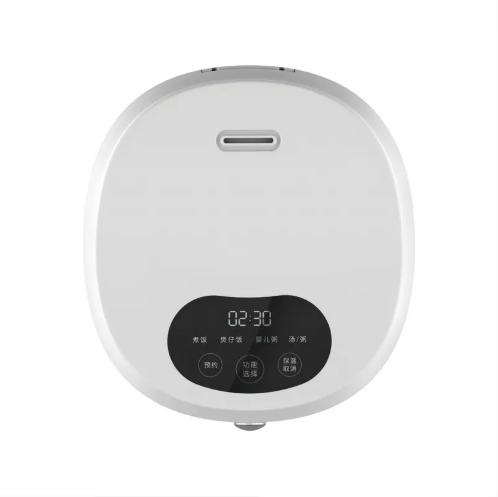
Always unplug your rice cooker before cleaning. This ensures that it’s safe to handle and prevents electrical accidents. Wait for the cooker to cool completely before proceeding. This step is vital because hot surfaces can burn you or damage the cooker’s components if cleaned too soon. Never attempt to clean your rice cooker while it’s plugged in, even if it seems turned off. Ensure it’s unplugged for your safety.
Carefully take out the inner pot, which holds the rice during cooking. Depending on your model, the inner pot may be dishwasher safe, but it’s always a good idea to check the manual first. For manual cleaning, use warm, soapy water and a soft sponge.
Once the inner pot is removed, detach the other removable components. This typically includes the inner lid, steam vent, condensation catcher, and any accessories such as spatulas or measuring cups. Cleaning these parts separately ensures a thorough job and prevents food residue from accumulating.
If your rice cooker has removable components, remove them after every use to make cleaning more efficient.
Fill your sink or a large bowl with warm water and add a small amount of dish soap. Place the inner pot in the water and use a soft sponge or cloth to clean it gently. Avoid using abrasive materials that could damage the non-stick surface. For any stubborn rice particles stuck on the bottom, let the pot soak for a few minutes.
To avoid scratching the non-stick coating, always use non-abrasive sponges or cloths.
After cleaning, ensure the pot is thoroughly dried before storing or reassembling it. Any remaining moisture can lead to mold or unpleasant smells.
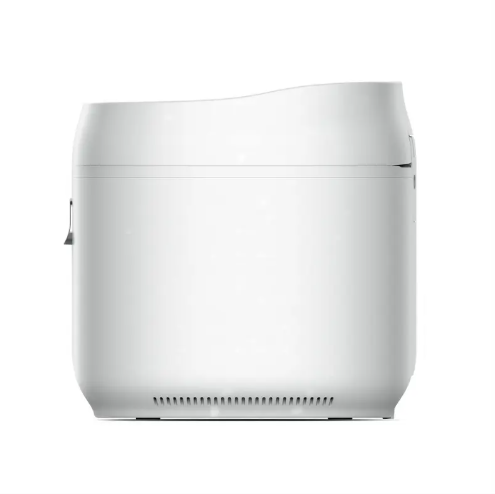
The heating plate is another critical component that requires regular cleaning. It’s where heat is applied to cook the rice.
Use a damp cloth to gently wipe the heating plate. This step removes any rice residue or spilled water. Be cautious when wiping the plate to avoid damaging the electrical parts inside.
Ensure that the heating plate is completely dry before reassembling the rice cooker. Moisture can lead to electrical malfunctions, so always double-check.
Tip: If food residue is stuck on the heating plate, you can use a slightly damp cloth with a mild detergent to clean it. Be sure to dry the plate completely afterward.
The lid and steam vent are areas that can trap moisture and food particles, making them prime spots for bacteria growth if not cleaned regularly.
If your rice cooker’s lid is removable, take it off and wash it thoroughly with warm, soapy water. Use a soft sponge to remove any stuck food. For non-removable lids, wipe them down carefully with a damp cloth.
The steam vent often accumulates residue, so it’s essential to clean it properly. Use a soft brush or cloth to wipe away any food particles. Cleaning the vent ensures that steam can flow freely during cooking. Regularly cleaning the steam vent can help prevent mold and mildew from forming.
The exterior of your rice cooker is also prone to dust, grease, and food spills. While it doesn’t come into direct contact with the food, it’s important to maintain a clean surface for both hygiene and aesthetic purposes.
Take a damp cloth and gently wipe the exterior of the rice cooker, removing dust, grease, and any food spills. Be gentle around the buttons and control panel, as these areas can be sensitive to water.
Avoid letting water seep into the buttons or power cord. These components are electrical and could be damaged by water. Use a dry cloth to wipe them down after cleaning the exterior.
Always use a microfiber cloth for wiping the exterior. It won’t leave streaks or lint behind.
Before reassembling the rice cooker, ensure all components, especially the inner pot and lid, are fully dry. Any moisture left behind could cause mold, odors, or electrical issues.
Once the rice cooker is clean and dry, store it in a cool, dry place. It’s a good practice to leave the lid slightly open to allow air circulation, preventing any lingering moisture from causing damage or odors.
Store your rice cooker in a clean, dry area, and keep the lid open to allow for airflow.
Clean your rice cooker after every use to prevent rice buildup, food residue, and unpleasant odors. The more often you clean it, the less likely it is for residue to harden and become difficult to remove.
If your rice cooker develops a lingering odor, try a mixture of vinegar and water. Fill the inner pot with this solution and run a short steaming cycle. The steam will help neutralize any unpleasant smells.
To freshen up your rice cooker, you can also use baking soda mixed with water to scrub any stubborn stains or odors.
Never use steel wool or harsh chemicals, as these can damage the non-stick coating of the rice cooker. Stick to mild dish soap and soft sponges to preserve the cooker’s integrity.
Be mindful when cleaning with any abrasive material, as it can scratch and damage the surface.
| Component | Cleaning Method | Frequency |
|---|---|---|
| Inner Pot | Wash with warm, soapy water and a soft sponge. Avoid abrasive scrubbers. | After each use |
| Heating Plate | Wipe gently with a damp cloth and dry thoroughly. | After each use |
| Lid and Steam Vent | Clean removable parts with warm soapy water, scrub vent with soft brush. | Weekly or when necessary |
| Exterior | Wipe with a damp cloth and dry with a microfiber towel. | After each use |
| Tip | Details |
|---|---|
| Avoid Abrasive Materials | Use non-abrasive sponges to avoid damaging non-stick surfaces. |
| Dry Thoroughly | Ensure all parts are completely dry before reassembling to prevent mold growth. |
| Common Mistake | Solution |
|---|---|
| Not drying the pot completely | Always dry the pot thoroughly to avoid moisture buildup and odor. |
| Ignoring the steam vent | Clean the steam vent regularly to prevent mold or food buildup. |
Cleaning your rice cooker is crucial for maintaining its performance and extending its lifespan. Regular cleaning prevents food buildup, improves efficiency, and ensures your rice cooker continues to cook perfectly every time. By following the steps outlined in this guide, you'll keep your rice cooker in excellent condition for years.
A clean rice cooker not only enhances food quality but also contributes to a healthier kitchen environment. Keep it well-maintained, and it will continue making delicious meals. Regular cleaning and maintenance can save you money by avoiding costly repairs or replacements. At WINDSPRO, we offer innovative products like the Smart Multi-Functional Rice Cooker, designed to make your cooking experience more efficient and enjoyable.
A: It’s best to clean your rice cooker after every use to prevent food buildup and ensure optimal performance.
A: Many rice cookers have dishwasher-safe inner pots. However, always check the manufacturer’s instructions for your specific model.
A: Use a mixture of vinegar and water to steam the solution in the inner pot, which helps eliminate any lingering odors.
A: No, avoid getting water on the heating plate. Use a damp cloth to wipe it down instead.
A: Regular cleaning ensures your rice cooker performs efficiently, prevents residue buildup, and extends its lifespan.


