A mini smart rice cooker is a must-have in many kitchens, offering convenience and perfectly cooked rice with minimal effort. However, to keep it running smoothly and extend its lifespan, regular maintenance is key. Without proper care, even the most advanced rice cookers can underperform or face issues over time. In this article, we will discuss how to properly maintain your rice cooker. You’ll learn practical tips for cleaning, troubleshooting, and storing your mini smart rice cooker. By following these steps, you can ensure your appliance continues to perform at its best for years.
Regular Maintenance is Crucial: Clean your rice cooker after every use to prevent buildup and ensure consistent performance.
Focus on Key Components: The inner pot, heating plate, lid, and steam vent require special attention for optimal functioning.
Daily Care Matters: Wipe down your rice cooker daily to prevent residue buildup and odors.
Proper Storage Keeps it Fresh: Store your rice cooker in a dry area with the lid slightly open to prevent moisture accumulation.
Troubleshooting Common Issues: If your rice cooker develops odors, uneven cooking, or performance issues, regular cleaning and care can resolve many problems.
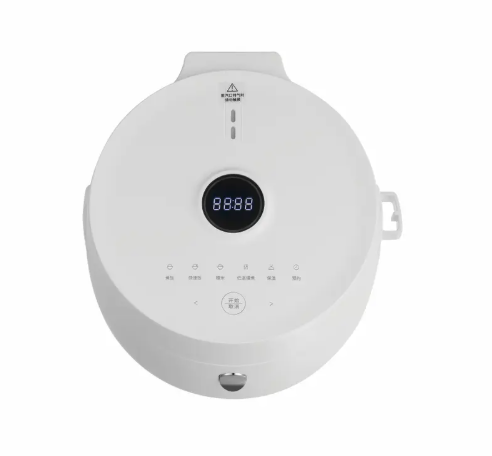
Before diving into maintenance, it's important to understand the core components of your rice cooker and why they need care.
The inner pot is the heart of your rice cooker. It's where the rice is cooked, and its non-stick surface makes it prone to wear and residue buildup. Regular cleaning is necessary to prevent burnt rice and ensure even cooking.
The heating plate is responsible for distributing heat evenly to cook your rice. Over time, food particles can accumulate, affecting its ability to cook efficiently. Keeping this clean helps maintain consistent cooking performance.
The lid and steam vent play a crucial role in ensuring your rice cooker functions properly. If these components are not cleaned regularly, steam and food particles can build up, leading to mold and bad odors.
While the inner parts of the rice cooker get most of the attention, the exterior and control buttons also need regular cleaning. Dust and food splatters can accumulate, affecting the cooker’s appearance and the functionality of its buttons.
| Component | Function | Cleaning Tip |
|---|---|---|
| Inner Pot | Cooks the rice and holds it during the cooking process. | Wash with warm soapy water, avoid abrasives. |
| Heating Plate | Distributes heat to cook the rice evenly. | Wipe dry with a cloth after each use. |
| Lid & Steam Vent | Seals the cooker and lets steam escape during cooking. | Clean with a damp cloth and cotton swab. |
| Exterior & Buttons | Controls cooking settings and ensures easy operation. | Wipe with a soft, damp cloth to prevent buildup. |
Proper cleaning is essential to maintain your mini smart rice cooker. Here’s a comprehensive guide for keeping it in top shape.
Safety should always be the first priority when cleaning your rice cooker. Ensure that it's unplugged and completely cooled down before starting the cleaning process.
The inner pot tends to accumulate rice residue and starch, making it essential to clean after every use. Use warm soapy water and a soft sponge to gently scrub it. Avoid using abrasive pads, as they can damage the non-stick coating. If there are any stubborn food remnants, soak the pot for a few minutes before scrubbing.
Wipe the heating plate with a dry cloth to remove any food particles that may have fallen during cooking. If there is any built-up residue, use a damp cloth to gently clean the plate. Always make sure that the heating plate is completely dry before reassembling the rice cooker.
Food particles and moisture can accumulate in the lid and steam vent, leading to unpleasant odors and mold growth. Remove the inner lid, if detachable, and clean it with warm soapy water. Use a soft brush or cotton swab to clean the steam vent to ensure that no food particles remain.
Don’t forget to clean the exterior of the rice cooker. Use a damp cloth to wipe off dust, grease, and food splatters. Be especially gentle around the control panel and buttons to avoid any water getting into the electronics.
| Cleaning Task | Frequency | Tip for Best Results |
|---|---|---|
| Inner Pot | After every use | Soak if necessary to remove stubborn residue. |
| Heating Plate | After every use | Dry completely to avoid electrical issues. |
| Lid & Steam Vent | Weekly or as needed | Use a cotton swab to clean small areas. |
| Exterior & Control Panel | Weekly or as needed | Avoid harsh cleaners on buttons. |
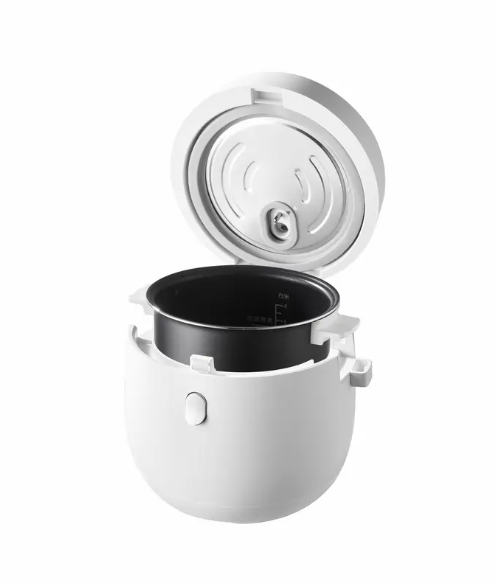
Regular maintenance is vital to keep your mini smart rice cooker working efficiently. Here are some essential tips for everyday care.
After each use, take a moment to wipe down the inner pot and exterior of the rice cooker. This prevents the buildup of rice residue and ensures the cooker is clean and ready for the next meal.
Never submerge the rice cooker in water.
Don't leave the rice cooker plugged in when not in use.
Avoid using metal utensils that can scratch the non-stick coating.
Hard water can leave mineral deposits inside the rice cooker, which can affect its performance over time. To keep your rice cooker in optimal condition, it’s a good idea to descale it every few months. Mix water and vinegar in a 1:1 ratio and run a short cooking cycle to help remove any mineral buildup.
| Maintenance Task | Recommended Frequency | Tip for Best Results |
|---|---|---|
| Daily Wiping | After every use | Use a soft cloth to prevent scratches. |
| Descaling | Every 2-3 months | Run a water-vinegar cycle for best results. |
| Avoiding Submersion | Always | Never submerge the rice cooker in water. |
| Use Non-Metal Utensils | Always | Prevents damage to the non-stick surface. |
Proper storage is just as important as regular cleaning. Here’s how to store your mini smart rice cooker in a way that keeps it in great condition.
Store your rice cooker in a dry place, away from moisture, to prevent mold and unpleasant odors. Avoid keeping it in a damp area like the kitchen sink area. Ensure the inner pot is dry before storing the cooker.
When not in use, leave the lid slightly ajar to allow any remaining moisture inside the rice cooker to evaporate. This simple step can help prevent mold growth and ensure the appliance stays fresh.
| Storage Task | Tip for Best Results | Recommended Frequency |
|---|---|---|
| Dry and Clean Storage | Always ensure it's completely dry. | After each use |
| Lid Open Slightly | Prevents moisture buildup. | Always store with the lid open. |
Even with proper maintenance, your rice cooker may face occasional issues. Here are some common problems and their solutions.
If your rice cooker starts emitting unpleasant smells, it could be due to food residue or mold. Run a cycle with water and a small amount of vinegar to deodorize the cooker. Make sure to clean all parts thoroughly, especially the steam vent and inner lid.
If the rice isn’t cooking evenly, it could be because the heating plate is dirty or the rice cooker is being overfilled. Ensure the heating plate is clean, and follow the rice-to-water ratio recommended by the manufacturer to prevent overflows.
If your rice cooker is taking longer to cook or not working as efficiently as before, it may be time for a deep clean. Check the heating plate for buildup, inspect the power cord for any damage, and make sure all components are functioning properly.
| Problem | Solution | Tip for Prevention |
|---|---|---|
| Unusual Odors | Run a vinegar cycle to deodorize. | Clean steam vent and inner lid regularly. |
| Uneven Cooking | Clean heating plate and check ratios. | Avoid overfilling the pot. |
| Performance Drops | Clean thoroughly and inspect parts. | Regularly clean to maintain efficiency. |
Maintaining your mini smart rice cooker doesn't require much time or effort, but the results are worth it. Regular cleaning and care ensure your appliance works efficiently and lasts for many years. By following these simple maintenance steps, you'll continue to enjoy perfectly cooked rice and other delicious dishes without worry. Take a few minutes after each use to clean and maintain your rice cooker, and it will serve you well for a long time. For those looking for an advanced rice cooker, WINDSPRO offers a multi-function slow cooking rice cooker with quick cook technology. Its versatile design and efficient cooking features make it an ideal choice for any kitchen, providing both convenience and high performance.
A: To clean your rice cooker, unplug it and let it cool. Remove the inner pot, lid, and steam vent. Wash with warm, soapy water, and use a soft sponge. Dry thoroughly before reassembling.
A: Uneven cooking can be due to a dirty heating plate or incorrect rice-to-water ratios. Clean the heating plate and ensure you follow the manufacturer’s recommended ratios.
A: It's important to clean your rice cooker after every use. Regular maintenance will ensure its longevity and consistent cooking performance.
A: It's best to avoid metal utensils in your rice cooker, as they can scratch the non-stick surface. Use silicone or wooden utensils to preserve the coating.


