Have you ever wondered why rice cookers are so popular? These handy appliances simplify meal preparation and ensure perfectly cooked rice every time.
In this article, we’ll explore the various error codes that rice cookers display. Understanding these codes can help you troubleshoot issues effectively.
You’ll learn what each error code means and how to resolve them, ensuring your rice cooker continues to serve you well.
Error codes are essential indicators of a rice cooker's health. They alert users to potential issues, allowing for timely intervention. Ignoring these codes can lead to more significant problems down the line. For instance, a simple overheating warning might indicate insufficient water. If overlooked, it could damage the heating element or even pose safety risks.
Understanding these codes helps users take appropriate action. It empowers you to maintain your appliance effectively, ensuring safety in the kitchen.
When a rice cooker displays an error code, it’s a call to action. These codes are designed to protect both the appliance and its users. For example, if the internal temperature exceeds safe limits, the cooker will alert you. This feature prevents overheating, which can lead to fires or other hazards.
Here’s a quick look at how error codes contribute to safety:
Error Code | Potential Issue | Safety Precaution |
E1 | Sensor malfunction | Unplug immediately to prevent damage. |
E2 | Short circuit in sensor | Check connections to avoid overheating. |
E3 | Overheating | Ensure adequate water and ventilation. |
Quickly addressing error codes can save you both time and money. Instead of waiting for a technician, you can troubleshoot common issues yourself. This proactive approach can prevent costly repairs and extend the life of your rice cooker.
For example, if you encounter an overheating error, you can:
1. Unplug the cooker: This stops any further damage.
2. Check the water level: Ensure you’re using the right water-to-rice ratio.
3. Clean the air vents: Blocked vents can cause overheating.
By following these steps, you can often resolve issues without professional help. This not only saves you money but also reduces downtime in meal preparation. Investing a little time in understanding error codes can lead to significant savings and better cooking experiences.
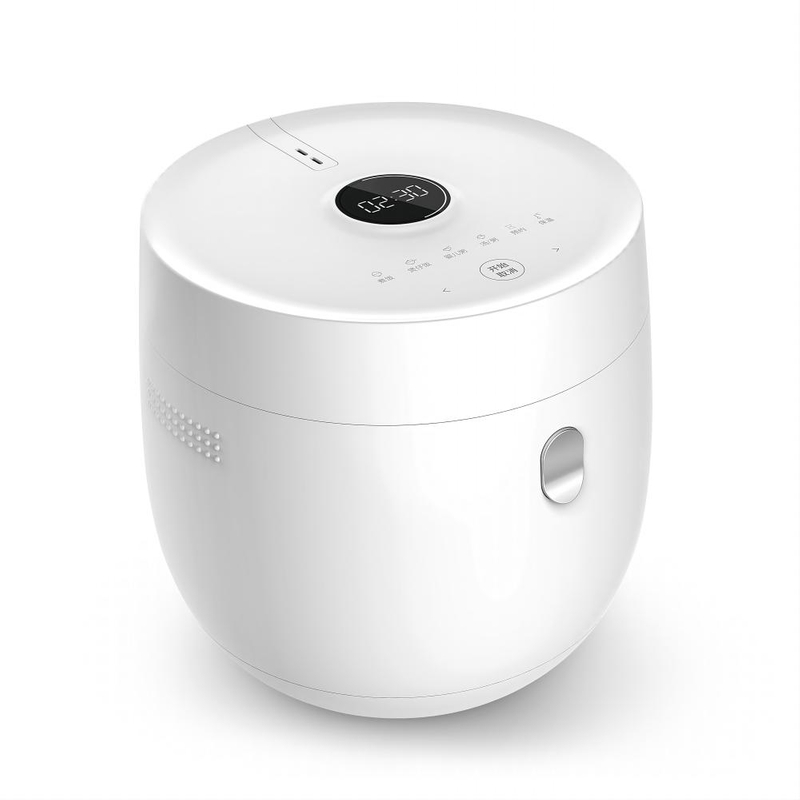
Error codes are essential signals in rice cookers that indicate specific issues. They help users identify problems quickly, ensuring the appliance functions correctly. Each code corresponds to a unique malfunction, providing a clear message about what needs attention. For instance, if your rice cooker displays an error code, it’s not just random; it’s a prompt to take action.
These codes serve two main purposes: they alert users to potential issues and guide them on how to resolve them. Understanding these codes can prevent minor problems from escalating into major repairs.
Interpreting error codes effectively can save you time and hassle. Here are some general guidelines to help you understand what the codes mean:
1. Refer to the User Manual: Each rice cooker brand has specific codes. The user manual is your best friend for accurate definitions.
2. Look for Patterns: If a code appears repeatedly, it might indicate a persistent issue.
3. Understand the Context: Consider what you were doing when the error occurred. This can provide clues about the problem.
Here’s a table summarizing common error codes and their meanings:
Error Code | Meaning | Suggested Action |
E1 | Sensor Open Circuit | Unplug the cooker and check the sensor wire. |
E2 | Sensor Short Circuit | Allow the cooker to cool and check for moisture. |
E3 | Overheating | Ensure adequate water and clean the air vents. |
By following these guidelines, you can quickly diagnose issues and take appropriate action. Understanding error codes not only helps in troubleshooting but also enhances your overall experience with your rice cooker.
Meaning: An E1 error indicates a problem with the internal temperature sensor. This typically means the sensor is disconnected or damaged. If your rice cooker displays this code, it’s crucial to address it quickly to avoid further issues.
Troubleshooting Steps:
● Unplug the Cooker: Safety first! Disconnect it from the power source.
● Cool Down: Allow the cooker to cool completely before inspecting.
● Check Connections: Look for any loose wires or disconnections around the sensor.
● Contact Support: If the problem persists, reach out to customer service for assistance.
Meaning: The E2 error points to a short circuit within the internal temperature sensor. This can happen due to moisture or damage, leading to inaccurate temperature readings.
Troubleshooting Steps:
● Unplug the Cooker: Disconnect it to prevent any electrical hazards.
● Dry the Sensor Area: Ensure the sensor is completely dry; moisture can cause short circuits.
● Test Again: After drying, plug the cooker back in and see if the error persists.
Meaning: An E3 error signals that the internal temperature has exceeded safe limits, which can lead to potential damage or safety hazards.
Troubleshooting Steps:
● Unplug the Cooker: Disconnect it immediately to prevent further overheating.
● Cool Down: Allow the cooker to sit until it reaches a safe temperature.
● Check Water Levels: Ensure you have enough water in the cooker, as low water can cause overheating.
● Clean Air Vents: Dust or debris can block airflow, leading to overheating. Make sure the vents are clear.
Different brands have their own set of error codes. Here’s a quick overview of common codes from popular rice cooker brands like Aroma, Panasonic, and Toshiba:
Brand | Error Code | Meaning | Suggested Action |
Aroma | E1, E2, E4 | Sensor open or short circuit | Contact Aroma Customer Service |
Aroma | E3 | Bottom sensor overheating | Turn off and cool for 5 minutes |
Panasonic | U10 | Inner pan not set correctly | Reposition the pan and press Cancel |
Panasonic | U12 | Abnormal temperature or dirty sensor | Wipe the pan bottom and sensor clean |
Toshiba | E01 | Temperature sensor issue | Inspect sensor for damage or dirt |
Toshiba | E02 | Heating element problem | Professional service often required |
By familiarizing yourself with these error codes, you can troubleshoot issues effectively and maintain your rice cooker in optimal condition. Understanding these codes makes it easier to enjoy perfectly cooked rice every time.
When your rice cooker displays an error code not listed in the manual, don’t panic. You can follow a few general troubleshooting steps to identify and possibly fix the issue. Start by resetting the unit. Simply unplug it, wait for a minute, and then plug it back in. This can often clear minor glitches.
Next, check the cleanliness of the sensors. Dust or food particles can interfere with their functionality. Make sure the sensors are clean and dry. Additionally, verify that the inner pot is correctly placed. An improperly positioned pot can lead to various cooking errors.
Here’s a quick checklist to guide you through the troubleshooting process:
1. Reset the Unit: Unplug and reconnect after a minute.
2. Clean the Sensors: Wipe down any sensors with a damp cloth.
3. Check Pot Placement: Ensure the inner pot is seated properly.
Action | Description |
Reset | Unplug, wait, then reconnect to reset the cooker. |
Clean Sensors | Use a damp cloth to remove any debris. |
Verify Pot Placement | Make sure the pot fits snugly in the cooker. |
Sometimes, despite your best efforts, the issue may persist. Knowing when to seek professional help is crucial. If you notice any of the following signs, it’s time to call a technician:
● Persistent Error Codes: If the same error keeps reappearing after troubleshooting.
● Unusual Noises: Strange sounds during operation can indicate internal issues.
● Physical Damage: Cracks or visible damage on the cooker should not be ignored.
If these signs occur, it’s best to consult a professional. They can diagnose the problem accurately and recommend the right solution. Taking quick action can save you from further damage and ensure your rice cooker remains a reliable kitchen tool.
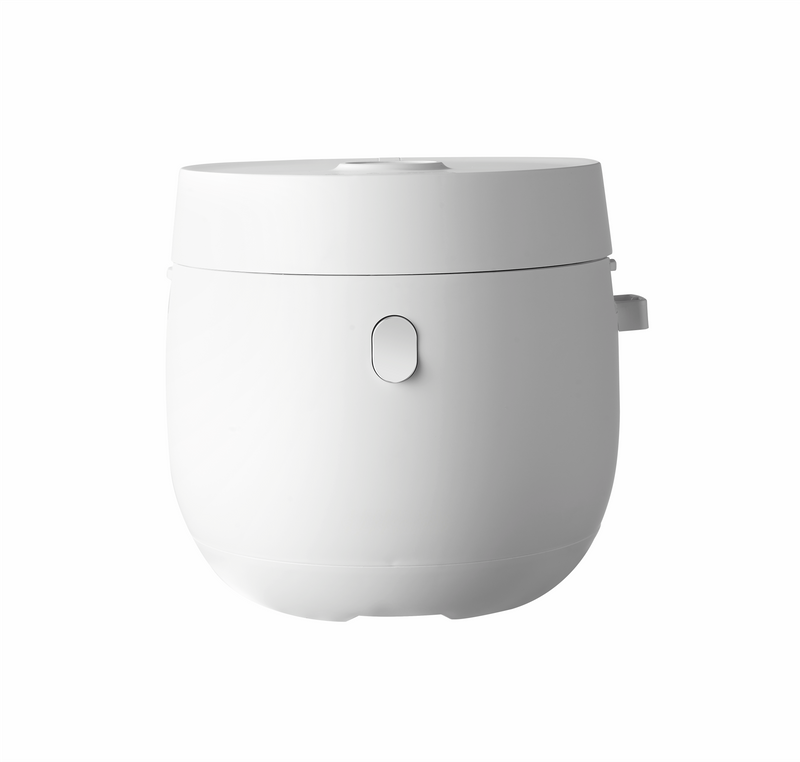
Keeping your rice cooker clean is vital for its longevity and performance. Regular cleaning prevents the buildup of food debris and ensures the sensors function correctly. A clean cooker not only cooks better but also reduces the risk of error codes appearing. Here’s how to maintain your rice cooker effectively:
● Wipe the Exterior: Use a damp cloth to clean the outer surfaces regularly.
● Clean the Inner Pot: After each use, wash the inner pot with warm soapy water. Avoid abrasive cleaners that can scratch the surface.
● Inspect the Steam Vent: Make sure the steam vent is free from blockages. A clogged vent can lead to overheating.
Maintenance Task | Frequency | Tips |
Exterior Cleaning | Weekly | Use a soft cloth to avoid scratches. |
Inner Pot Cleaning | After Each Use | Use non-abrasive sponges for cleaning. |
Steam Vent Inspection | Monthly | Check for debris and clean as needed. |
Using your rice cooker correctly is essential to avoid errors and ensure optimal cooking results. Here are some guidelines to follow:
1. Follow the Water-to-Rice Ratio: Every rice cooker has a recommended ratio. Using too little water can lead to burning, while too much can cause overflow.
2. Avoid Overfilling: Do not exceed the maximum fill line to prevent spills and ensure even cooking.
3. Use the Right Settings: Familiarize yourself with the different cooking modes. Using the incorrect setting can lead to undercooked or overcooked rice.
For example, when using the Windspro rice cooker, it’s crucial to adhere to the recommended water-to-rice ratio. This specific model often suggests a 1:1.5 ratio for white rice. Not following this guideline can result in overheating and potential error codes.
By implementing these preventative measures, you can enhance the performance of your rice cooker, ensuring it remains a reliable kitchen companion for years to come. Regular maintenance and proper usage will minimize the chances of encountering error codes and extend the life of your appliance.
Understanding rice cooker error codes is essential for effective use. These codes help identify issues quickly, preventing further damage. Always refer to your user manual for specific error code meanings. Each rice cooker model may have unique codes, so consulting the manual ensures accurate information. By staying informed, you can maintain your rice cooker and enjoy perfectly cooked rice every time.
A: Unplug the cooker, wait a minute, then plug it back in. Check the manual for specific error codes.
A: No, error codes vary by brand and model. Always refer to the specific user manual.
A: Ensure proper water levels, clean the air vents, and avoid overfilling the pot.
A: Common issues include sensor malfunctions, overheating, and improper pot placement.
A: It’s best to address the error before using it to prevent damage or safety hazards.


