Have you ever wondered how rice cookers transformed our kitchens? These appliances have become essential for many families.
Over the years, rice cookers have evolved from basic designs to sophisticated machines that simplify cooking.
In this article, we’ll explore the fascinating evolution of rice cookers. You’ll learn about their history, key technological advancements, and how they changed cooking practices forever.
For centuries, rice has been a staple food in many cultures, especially in Asia. Traditional methods of cooking rice often involved using a kamado, a type of wood-fired stove.
Cooking Process: The rice was washed, soaked, and then placed in an iron pot (hagama) over low heat.
Steaming Technique: A wooden lid was used to trap steam, ensuring the rice cooked evenly.
This method required skill and patience. It was common for homemakers to spend considerable time monitoring the fire to achieve perfect rice.
Cooking rice manually posed several challenges:
Time-Consuming: Preparing rice involved multiple steps, from washing to soaking and cooking.
Inconsistent Results: Variability in heat made it difficult to achieve consistent outcomes.
Many families relied on experienced cooks to get it right, which added pressure on homemakers.
In 1955, Toshiba introduced the first electric rice cooker, marking a significant shift in how rice was prepared. This innovation aimed to simplify the cooking process.
Early Features: The first models featured a simple on/off switch, which eliminated the need for constant monitoring.
Limitations: However, these early rice cookers had their drawbacks. They often produced unevenly cooked rice and lacked advanced features.
Feature | Early Electric Rice Cookers | Modern Rice Cookers |
Cooking Method | Basic heating | Induction heating, fuzzy logic |
Control | Manual on/off | Programmable settings |
Rice Cooking Consistency | Variable | Consistently fluffy |
Despite these limitations, the introduction of electric rice cookers began changing household dynamics.
Families could enjoy perfectly cooked rice without the labor-intensive process. This innovation laid the groundwork for further advancements in rice cooker technology.
As we moved through the decades, rice cookers evolved dramatically. They transitioned from basic appliances to sophisticated machines capable of preparing various rice types and even other dishes.
The evolution of rice cookers reflects broader changes in cooking technology and household needs. Today, they are integral to many kitchens, showcasing how far we've come since the days of the kamado.

The 1960s marked a turning point in the kitchen, thanks to the introduction of automatic rice cookers. These appliances simplified the cooking process significantly.
Features: Early models had basic on/off switches and relied on simple heating elements. They eliminated the need for constant monitoring, allowing users to focus on other tasks.
Impact: Households began to embrace the convenience of automatic rice cookers. This shift changed meal preparation, making it easier for families to enjoy perfectly cooked rice without the hassle.
In the 1970s, rice cookers evolved further with the addition of timers and keep warm functions. These features transformed how families prepared meals.
Meal Preparation: Timers allowed cooks to set the rice cooker in advance, ensuring rice was ready when needed. The keep warm function maintained rice at an optimal temperature, preventing it from becoming cold or overcooked.
Market Growth: As these features gained popularity, consumer acceptance surged. Brands began marketing rice cookers as essential kitchen appliances, leading to significant market growth.
The 1980s introduced groundbreaking advancements in rice cooker technology. This decade saw the emergence of microcomputer (Micom) technology.
Microcomputer Technology: Micom rice cookers utilized microprocessors to monitor cooking conditions. This innovation allowed for precise temperature control and cooking times.
Fuzzy Logic: The introduction of fuzzy logic further enhanced user control. It enabled rice cookers to adjust cooking parameters automatically based on the type of rice being prepared. Users could achieve consistent results, regardless of the rice variety.
Feature | 1960s Automatic Cookers | 1980s Micom Cookers |
Control | Basic on/off | Microprocessor-based |
Cooking Precision | Limited | High precision |
User Experience | Simple | Enhanced |
The 1990s brought another leap forward with the introduction of induction heating (IH) technology. This innovation significantly improved rice cooking quality.
Induction Heating Explained: IH uses electromagnetic energy to heat the pot directly, providing even heat distribution. This method enhances the cooking process, resulting in fluffy rice.
Leading Brands: Companies like Zojirushi pioneered this technology, setting new standards for rice cookers. Their products became synonymous with quality and performance.
As we moved into the 2000s, rice cookers became smarter. Modern rice cookers now feature app connectivity and artificial intelligence.
Smart Features: Users can control their rice cookers remotely via smartphone apps. This connectivity allows for programming and monitoring cooking processes from anywhere.
Enhanced User Experience: Brands like Gaabor have led the way in integrating smart technology into rice cookers. These advancements make cooking more convenient and tailored to individual preferences.
Feature | 1990s IH Cookers | 2000s Smart Cookers |
Heating Method | Induction heating | Smart connectivity |
User Control | Manual settings | App-based control |
Cooking Versatility | Limited | Multi-functional |
The evolution of rice cookers reflects broader technological advancements. Each milestone has contributed to making rice cooking more efficient and user-friendly, shaping how we prepare this staple food today.
Basic rice cookers are the most straightforward models available. They typically feature a simple on/off switch and a cooking pot.
Description: These cookers usually have a non-stick inner pot, a measuring cup, and a steaming tray. They are designed primarily for cooking white rice.
Best Use Cases: Ideal for students or small families, basic models are perfect for those who want a no-frills approach to rice cooking. They are easy to use and require minimal setup.
Microcomputer rice cookers, often referred to as Micom cookers, offer enhanced features for more precise cooking.
Overview of Features: Equipped with microprocessors, these cookers can adjust cooking time and temperature based on the rice type. They often include settings for different rice varieties, such as brown, jasmine, or sushi rice.
Benefits: Users enjoy consistent results and can achieve perfectly cooked rice every time. Some models even have additional functions like slow cooking and porridge settings.
Ideal Users: These cookers are great for home cooks who appreciate technology and want to experiment with various rice types.
Induction heating (IH) rice cookers represent a significant advancement in rice cooking technology.
Detailed Explanation of IH Technology: Unlike traditional heating methods, IH cookers use electromagnetic energy to heat the pot directly. This allows for even heat distribution and precise temperature control.
Advantages: Serious home cooks benefit from the superior cooking quality that IH technology offers. It results in fluffy rice and can also handle delicate grains without burning.
Popular Brands: Brands like Zojirushi and Panasonic are well-known for their high-quality induction heating rice cookers.
Type | Key Features | Ideal For |
Basic Rice Cookers | Simple on/off, non-stick pot | Students, small families |
Microcomputer Rice Cookers | Adjustable settings, multiple functions | Tech-savvy home cooks |
Induction Heating Cookers | Direct heating, precise control | Serious home cooks |
Modern rice cookers have evolved into multi-functional appliances that can do much more than just cook rice.
Versatility: These cookers can steam vegetables, prepare soups, and even bake cakes. Many models come with various cooking programs to accommodate different dishes.
Popular Brands and Models: Brands like Gaabor and Tiger offer multi-functional rice cookers that are highly rated for their performance and versatility. These cookers often include features like programmable timers and easy-to-clean designs.
User Experience: The convenience of having one appliance that can perform multiple cooking tasks simplifies meal preparation, making it a favorite in busy households.
Rice cookers have come a long way from their basic origins. With various types available today, users can choose models that best fit their cooking style and needs. Whether you’re a novice cook or a culinary enthusiast, there’s a rice cooker out there for you.
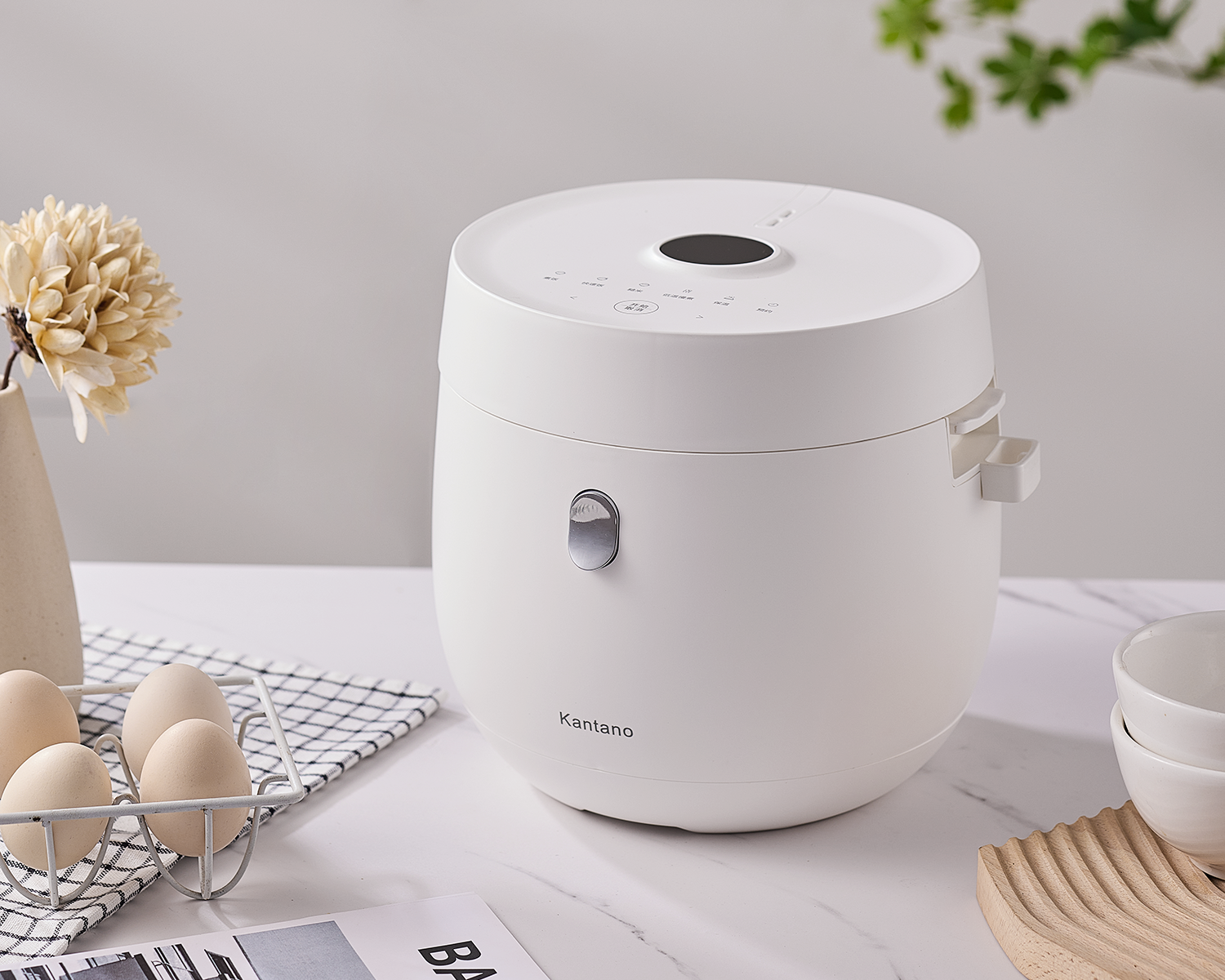
Rice cookers have played a crucial role in accommodating diverse dietary preferences. With the rise of health-conscious eating, these appliances have adapted to meet new demands.
Versatility: Modern rice cookers can prepare not just white rice, but also brown rice, quinoa, and other grains. This versatility encourages users to explore healthier options.
Promoting Healthy Cooking: By simplifying the cooking process, rice cookers make it easier to incorporate whole grains into daily meals. Healthier diets become more accessible, especially for busy families.
For instance, a study found that households using rice cookers were more likely to include whole grains in their diets. This shift contributes to improved nutritional intake, highlighting the impact of rice cookers on overall health.
In today’s fast-paced world, time is a precious commodity. Rice cookers offer significant convenience, making them a staple in many kitchens.
Convenience Factor: These appliances allow users to prepare rice effortlessly. Just add the ingredients, press a button, and let the cooker do the work. This hands-off approach frees up time for other tasks.
Efficiency: Many rice cookers come equipped with timers and keep-warm functions, ensuring that meals are ready when you are. This feature is especially beneficial for families juggling multiple schedules.
User feedback supports the notion that rice cookers save time and enhance meal preparation:
Statistics: A survey indicated that 78% of rice cooker users reported spending less time on meal preparation.
Testimonials: Many users share how rice cookers have transformed their cooking routines. For example, one busy parent noted, “I can set it in the morning, and when I come home, dinner is ready!”
Benefit | Description | User Feedback |
Time Efficiency | Prepares rice quickly, freeing up time | 78% of users report time savings |
Convenience | Simple operation; just add ingredients | “Dinner is ready when I get home!” |
Healthier Cooking Options | Accommodates various grains | Encourages healthy eating habits |
Rice cookers have undoubtedly changed cooking culture, making healthy eating and efficient meal preparation more attainable. As lifestyles evolve, these appliances continue to adapt, solidifying their place in modern kitchens.
Rice cookers have come a long way from traditional cooking methods.
They now incorporate advanced technology, making meal preparation easier and more efficient.
These appliances play a vital role in modern kitchens, promoting healthy eating and convenience.
When selecting a rice cooker, consider its evolution to find the best fit for your cooking needs.
A: Consider capacity, cooking functions, and technology features like microcomputer or induction heating.
A: Yes, rice cookers are versatile; they can steam vegetables, make soups, and even bake cakes.
A: Clean the inner pot and lid after each use. Avoid abrasive cleaners to ensure longevity.
A: Recommended brands include Zojirushi and Panasonic, known for their reliability and advanced features.


