Are you tired of traditional cooking methods that waste time and energy? Infrared cookers offer a modern solution that can transform your kitchen experience.
However, before making a purchase, it’s crucial to understand their pros and cons.
In this article, we’ll explore the benefits and drawbacks of using an infrared cooker. You’ll learn how they compare to other cooking appliances and whether they’re the right fit for your culinary needs.
Infrared cookers are gaining popularity in kitchens for their unique features. Let’s break down the key aspects that make them stand out.
One of the most appealing features of an infrared cooker is its universal cookware compatibility. You can use almost any type of flat-bottomed cookware, including:
Glass
Ceramic
Aluminum
Stainless Steel
This flexibility means you won’t need to invest in specialized pots and pans. You can keep using your favorite cookware without worrying about compatibility issues. This not only saves money but also reduces clutter in your kitchen.
Infrared technology excels at providing rapid and even heating. Unlike traditional gas stoves, which heat from beneath, infrared cookers emit heat directly to the cookware. This results in:
Quicker cooking times: Infrared cookers can heat up in seconds, making meal prep faster.
Consistent results: The even heat distribution helps prevent hot spots, ensuring your food cooks uniformly.
For instance, a single burner infrared cooker can reach high temperatures quickly, often outperforming gas and induction cookers in heating speed.
Cooking Method | Average Heating Time |
Infrared Cooker | 1-3 minutes |
Gas Stove | 3-5 minutes |
Induction Cooker | 2-4 minutes |
Energy efficiency is a crucial factor for many home cooks. Infrared cookers shine in this area, consuming less energy compared to traditional methods. Here’s how:
Direct heating: Infrared cookers heat the cookware directly, minimizing energy loss.
Reduced cooking times: Faster cooking means less energy used overall.
This efficiency can lead to noticeable savings on your energy bills over time, making an infrared cooker a smart investment for energy-conscious households.
Safety is a top priority in any kitchen. Infrared cookers come equipped with several safety features:
Flameless cooking: This reduces the risk of open flames, making it safer, especially in homes with children.
Built-in safety features: Many models include auto shut-off functions and child locks, adding an extra layer of security.
These features not only provide peace of mind but also enhance the overall cooking experience. Brands like Windspro incorporate these safety elements into their infrared cookers, ensuring that users can cook confidently.
In summary, the key features of infrared cookers—universal compatibility, fast heating, energy efficiency, and safety—make them a valuable addition to any kitchen. Whether you're a seasoned chef or a casual cook, understanding these elements can help you make an informed decision about your next kitchen appliance.
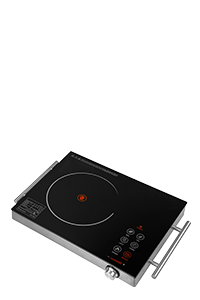
Infrared cookers are becoming a popular choice for home chefs, and it’s easy to see why. They offer a unique combination of versatility, efficiency, and modern design. Let’s delve into the key advantages of using an infrared cooker in your kitchen.
One of the most appealing aspects of an infrared cooker is its versatility. You can prepare a wide variety of dishes, making it suitable for different cooking styles. Here are some examples of what you can cook:
Boiling: Perfect for pasta, grains, and vegetables. The rapid heating means you can boil water in just a few minutes.
Frying: Ideal for achieving crispy textures on foods like chicken, fish, and vegetables. Infrared cookers provide even heat distribution, which helps avoid uneven cooking.
Grilling: Great for meats and vegetables, giving them that delicious charred flavor without the hassle of outdoor grilling.
For example, Windspro's infrared cooker supports stir-frying, boiling, and searing, making it a versatile addition to any kitchen. This adaptability allows you to experiment with different recipes and cooking techniques, catering to your family's diverse tastes.
When it comes to kitchen appliances, ease of cleaning is a significant factor. Infrared cookers simplify the cleanup process thanks to their smooth, flat surfaces. Here’s how you can maintain your infrared cooker effectively:
Use a soft cloth: After cooking, simply wipe the surface with a damp cloth. This prevents scratches and keeps it looking new.
Clean spills immediately: Quick action on spills prevents food from baking onto the surface, making it easier to clean later.
Regular checks: Periodically inspect the cooker for any signs of wear or malfunction. Keeping it in good condition ensures long-lasting performance.
With minimal effort required for cleaning, you can spend more time enjoying your meals and less time scrubbing pots and pans.
While the upfront cost of an infrared cooker might be higher than traditional gas stoves, the long-term savings can be substantial. Here’s a breakdown of costs and energy efficiency:
Cooking Method | Initial Cost | Energy Efficiency | Long-Term Savings |
Infrared Cooker | Moderate | High | Significant |
Gas Stove | Low | Moderate | Moderate |
Induction Cooker | High | High | Significant |
Infrared cookers are designed for energy efficiency. They heat cookware directly, which reduces energy waste. This efficiency can lead to lower energy bills over time. Many users report significant savings, making infrared cookers a smart investment for the future.
Infrared cookers are not just about functionality; they also bring a modern aesthetic to your kitchen. Available in a range of styles and finishes, they can seamlessly blend into any décor. Consider these design features:
Sleek appearance: Many infrared cookers feature a minimalist design that enhances the visual appeal of your kitchen. They often come in stylish colors and finishes, such as stainless steel or black glass.
Compact size: Infrared cookers are typically more compact than traditional stoves, making them ideal for smaller kitchens or apartments. Their space-saving design allows you to maximize your kitchen layout without sacrificing performance.
This combination of style and practicality makes infrared cookers an attractive option for anyone looking to upgrade their kitchen appliances. They not only perform well but also enhance the overall look of your cooking space.
Overall, the advantages of using an infrared cooker are compelling. From their versatility in cooking styles to easy cleanup and modern aesthetics, they offer a range of benefits that can elevate your cooking experience. Whether you’re preparing a quick meal or experimenting with new recipes, an infrared cooker can be a valuable addition to your kitchen.
While infrared cookers offer many benefits, they also come with some drawbacks. Let’s explore the main concerns associated with using an infrared cooker in your kitchen.
One significant issue with infrared cookers is heat retention. After cooking, the surface can remain hot for a while, leading to potential burn risks. Here’s what you should know:
Residual Heat: The ceramic surface retains heat even after the cooker is turned off. This can be dangerous, especially in homes with children or pets.
Precautions: To mitigate risks, consider these tips:
Always use pot holders or oven mitts when handling cookware.
Keep children away from the cooking area until the surface cools down.
Being aware of these safety concerns can help prevent accidents and ensure a safer cooking environment.
Another drawback of infrared cookers is their temperature control. Unlike induction cookers, which offer immediate adjustments, infrared cookers have a slight delay in response time. Here’s how this impacts cooking:
Response Time: When you change the temperature setting, it may take a few moments for the cooker to adjust. This can be frustrating when you need quick temperature changes for delicate dishes.
Comparison: Induction cookers provide instant heat adjustments, making them more suitable for recipes requiring precise temperature control.
If you often cook dishes that need quick temperature changes, this could be a significant limitation.
Infrared cookers can consume a considerable amount of electricity, particularly when used at high settings. This is something to keep in mind if you're energy-conscious. Here’s a breakdown:
Electricity Usage: When cooking at high power, infrared cookers can draw more electricity than other cooking methods. This can lead to higher energy bills, especially during prolonged cooking sessions.
Energy-Efficient Practices: To minimize energy consumption, consider these tips:
Use lower settings when possible, especially for simmering or warming.
Plan meals that require less cooking time to reduce overall energy usage.
By being strategic about your cooking practices, you can help manage energy costs.
Cleaning an infrared cooker can sometimes be a challenge, especially when spills occur. Here’s what to consider:
Baked-On Residue: If food spills over and is not cleaned promptly, it can bake onto the hot surface, making it difficult to remove later.
Prevention Tips: To avoid this issue:
Wipe up spills immediately after cooking, while the surface is still warm but not too hot.
Use a soft cloth or sponge to clean the surface, avoiding abrasive materials that can scratch it.
By maintaining a regular cleaning routine, you can keep your infrared cooker in good condition and avoid stubborn stains.
In summary, while infrared cookers have many advantages, they also come with safety concerns, temperature control limitations, potential high energy consumption, and cleaning challenges. Understanding these drawbacks will help you make an informed decision about whether an infrared cooker is the right choice for your kitchen.
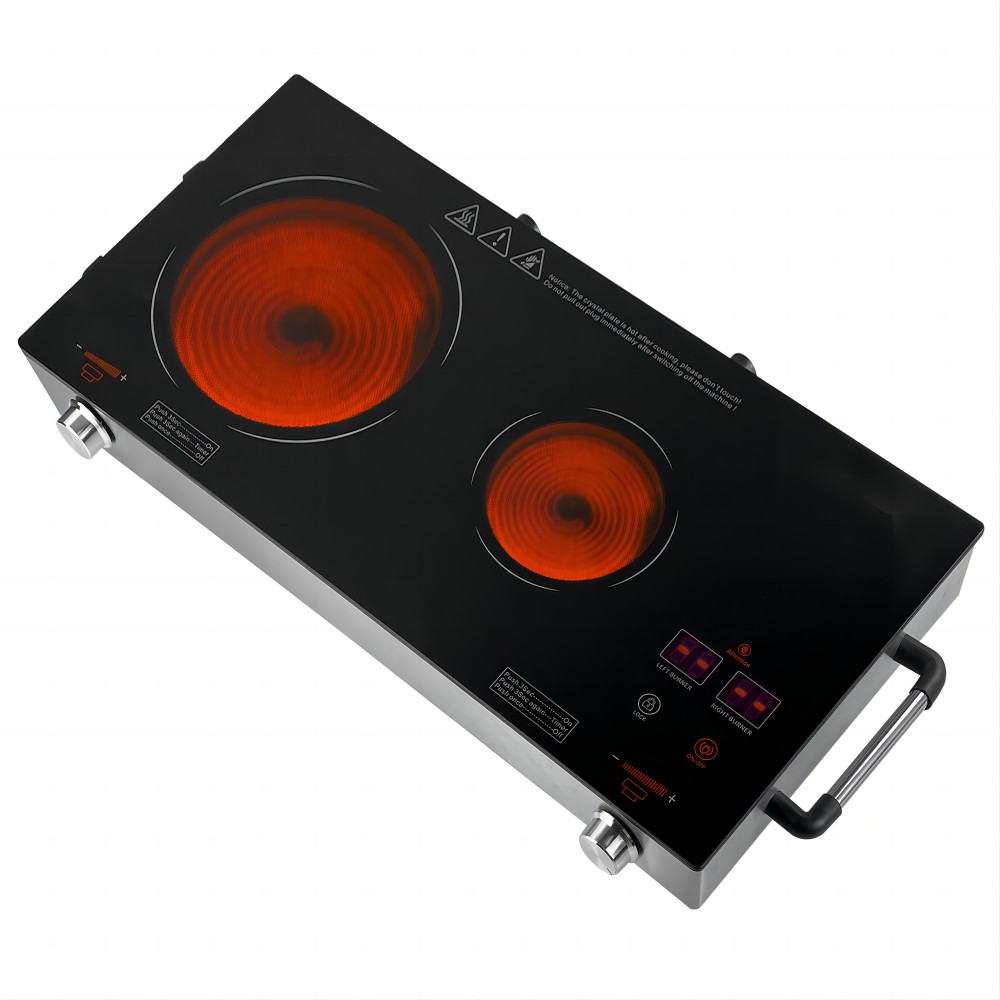
When considering an infrared cooker, user experiences can provide valuable insights. Let’s explore the positive feedback and common complaints from those who have made the switch.
Many users report high satisfaction with their infrared cookers, emphasizing several key benefits:
Quick Cooking Times: Users often highlight how fast their infrared cookers heat up. Meals that typically take longer can be prepared in a fraction of the time. This efficiency is particularly appreciated by busy families.
Versatility: Many reviews praise the versatility of infrared cookers. Consumers enjoy the ability to boil, fry, and grill all in one appliance. This flexibility allows for a variety of cooking styles without needing multiple devices.
Ease of Use: Users appreciate the straightforward controls and user-friendly designs. Many find that they can start cooking right away without needing extensive instructions.
Reliable Quality: Brands like Windspro receive positive remarks for their quality support. Customers report that the durability of their infrared cookers ensures stable long-term use, which is a crucial factor for many buyers.
Here’s a summary of user sentiments:
Benefit | User Comments |
Quick Cooking | "Cooks meals faster than my old gas stove!" |
Versatility | "I can fry, boil, and grill without switching devices." |
Ease of Use | "So simple to operate, even my kids can use it!" |
Quality Support | "Windspro has been great with customer service!" |
Despite the numerous advantages, some users have expressed concerns regarding infrared cookers. Here’s an overview of the most common complaints:
Heat Retention Issues: Some users worry about the residual heat on the cooking surface. After cooking, the surface can remain hot for an extended period, posing a burn risk, especially in households with children or pets.
Temperature Control: A few users have noted that the temperature adjustments are not as immediate as they would like. This delay can affect cooking precision, particularly for recipes that require quick changes in heat.
Cleaning Difficulties: While many appreciate the ease of cleaning, some have found that spills can bake onto the surface if not cleaned promptly. This can lead to extra effort when it comes to maintaining the cooker.
Users have shared their experiences regarding these concerns:
Complaint | User Comments |
Heat Retention | "The surface stays hot too long, which worries me." |
Temperature Control | "Adjusting the heat isn't instant like my old induction cooker." |
Cleaning Difficulties | "Spills can be tough to clean if I don’t act quickly." |
By examining user experiences, it’s clear that while infrared cookers offer many benefits, they also have their share of challenges. Understanding these insights can help potential buyers make informed decisions about whether an infrared cooker is the right fit for their kitchen needs.
In summary, infrared cookers offer quick cooking times, versatility, and ease of use. However, they also have drawbacks, such as heat retention and temperature control limitations.
These cookers can be suitable for various users, especially those seeking efficiency in the kitchen.
Consider your cooking habits and kitchen needs when deciding if an infrared cooker is the right choice for you.
A: Yes, but caution is needed due to heat retention, which can pose burn risks.
A: Most cookware is compatible, but avoid materials that can scratch the surface.
A: Wipe spills immediately with a soft cloth; avoid abrasive cleaners.
A: Yes, they are energy-efficient, especially when used at lower settings.
A: Windspro's infrared cookers are reliable, versatile, and offer excellent customer support.


