Are you tired of long cooking times and unevenly cooked meals? Discover the power of an infrared cooker! This innovative kitchen appliance uses advanced technology to heat food quickly and evenly.
In this guide, we’ll explore the benefits of using an infrared cooker, including energy efficiency and versatility with various cookware. You’ll learn how to harness its flameless cooking features for safer and more enjoyable meal preparation. Get ready to transform your cooking experience!
An infrared cooker utilizes infrared radiation to heat food directly. This process involves energy waves that transfer heat to cookware and then to the food itself. Unlike traditional cooking methods, which rely on direct contact or hot air, infrared cooking provides a more efficient way to prepare meals.
Heat Transfer: Infrared radiation heats objects rather than the air around them. As the infrared waves hit the cookware, they generate heat, which is then transferred to the food. This method ensures that cooking is faster and more efficient.
Comparison with Other Methods:
Conduction: This is when heat is transferred through direct contact. Think of a frying pan on a stove. The pan heats up from the burner, and then it cooks the food.
Convection: This method uses hot air or liquid to cook food. For example, baking in an oven relies on hot air circulating around the food.
Cooking Method | Heat Transfer Mechanism | Cooking Efficiency |
Infrared | Direct radiation | High |
Conduction | Direct contact | Moderate |
Convection | Hot air/liquid | Variable |
Infrared cooking offers several advantages that make it a preferred choice for many home cooks and professionals alike. Here are some key benefits:
Even Heat Distribution: One of the standout features of an infrared cooker is its ability to distribute heat evenly across the cooking surface. This means no more hot spots or undercooked areas. Every part of your dish receives the same level of heat, ensuring uniform cooking.
Reduced Cooking Times: Infrared cookers heat up quickly, which significantly cuts down cooking times. You can prepare meals faster without sacrificing quality. This efficiency is especially beneficial for busy kitchens where time is of the essence.
Energy Savings: Using an infrared cooker can lead to lower energy bills. Since it cooks faster and uses less power than traditional methods, you not only save time but also energy. This is a win-win for both your schedule and your wallet.
Healthier Cooking Options: Infrared cooking often requires less oil compared to other methods. This can lead to healthier meals without compromising flavor. Plus, the quick cooking times help retain more nutrients in your food.
Imagine whipping up a delicious stir-fry in just minutes. With an infrared cooker, you can achieve perfect results every time. It’s versatile enough to handle various cooking tasks, from searing meats to simmering sauces.
Using a brand like Windspro, known for its efficient ceramic heating technology, can enhance your cooking experience. Their infrared cookers are designed to maximize efficiency while ensuring safety features like cool-touch surfaces. This makes it easier for anyone to enjoy the benefits of infrared cooking.
In summary, understanding how an infrared cooker works and its advantages can transform your cooking process. It’s all about efficiency, health, and ease.
When it comes to using an infrared cooker, selecting the right cookware is crucial. Not all pots and pans are created equal for this cooking method. Here’s a quick overview of compatible materials:
Stainless Steel: Durable and non-reactive, stainless steel is a great choice for most cooking tasks. It heats evenly and retains heat well, making it ideal for searing and sautéing.
Ceramic: This material is excellent for slow cooking and baking. It holds heat effectively and is easy to clean. Just ensure it’s labeled as suitable for infrared use.
Glass: While glass can work, it’s essential to check if it’s heat-resistant. Glass cookware allows you to monitor food without lifting the lid, which is a plus.
Cookware Type | Compatibility | Benefits |
Stainless Steel | Yes | Even heating, durable |
Ceramic | Yes | Good for slow cooking, easy to clean |
Glass | Conditional | Visual monitoring, non-reactive |
Using flat-bottomed cookware is vital. This design ensures optimal contact with the heating surface, allowing for efficient heat transfer. If your cookware wobbles or has a rounded bottom, it can lead to uneven cooking.
Creating the right environment for your infrared cooker can enhance your cooking experience. Here are some tips for setting it up properly:
Placement: Position your infrared cooker on a flat, heat-resistant surface. This prevents any accidents and ensures stability. Avoid placing it near flammable materials or areas with high moisture.
Ventilation: Good airflow is essential. Make sure the cooking space is well-ventilated to prevent overheating and ensure safety. If possible, use it in a kitchen with windows or an exhaust fan.
Accessibility: Keep your cooking area organized. Have utensils, ingredients, and any necessary tools within reach. This not only saves time but also makes the cooking process more enjoyable.
Before you start cooking, take a moment to prepare your workspace. Here are a few practical tips:
Gather Ingredients: Measure and prep your ingredients ahead of time. This makes the cooking process smoother and more efficient.
Check the Power Source: Ensure that your infrared cooker is plugged into a suitable outlet. Verify that the voltage matches the cooker’s requirements to avoid any issues.
Safety First: Always read the manufacturer’s instructions before using your infrared cooker. Familiarize yourself with its features and safety precautions. Brands like Windspro provide detailed manuals to help you get started safely.
By setting up correctly and choosing the right cookware, you can maximize the benefits of your infrared cooker. It’s all about creating an efficient and safe cooking environment that allows you to enjoy the process and the delicious results.
Before diving into cooking, preparation is key. Start by cleaning and inspecting your cookware. Ensure there are no scratches or chips, especially if you’re using ceramic or glass. A quick rinse and wipe down will do wonders for hygiene and performance.
Next, check the power voltage compatibility of your infrared cooker. Most models, like the Windspro Infrared Cooker, specify the required voltage. Plugging it into the wrong outlet can lead to performance issues or even damage.
Once everything is set, it’s time to power on your infrared cooker. Plug it into a suitable outlet, ensuring it’s stable and secure. Press the power button, and you should see indicator lights illuminate, signaling that it’s ready to go.
Take a moment to familiarize yourself with the control panel. Each model may have slightly different settings, so knowing what each button does will help streamline your cooking experience.
Adjusting the temperature and cooking mode is crucial for achieving the best results. Most infrared cookers have adjustable power levels and timers. For example, the Windspro model allows you to set precise temperatures for various cooking tasks.
General Guidelines:
Searing: 400°F (204°C)
Sautéing: 350°F (177°C)
Simmering: 250°F (121°C)
These temperatures help ensure your meals are cooked perfectly. Always refer to your specific model’s manual for optimal settings.
Now comes the fun part—cooking! An infrared cooker is versatile and can handle various techniques:
Searing: Perfect for meats. Preheat to a high temperature to lock in juices.
Sautéing: Great for vegetables. Use a bit of oil for flavor and quicker cooking.
Simmering: Ideal for sauces and soups. Keep the temperature lower to avoid boiling over.
Boiling: You can boil water quickly, making it perfect for pasta or steaming vegetables.
Here’s a quick reference table for cooking times:
Food Type | Cooking Technique | Recommended Temperature | Cooking Time |
Chicken Breasts | Searing | 400°F (204°C) | 6-8 minutes |
Vegetables | Sautéing | 350°F (177°C) | 5-7 minutes |
Pasta | Boiling | 212°F (100°C) | 8-12 minutes |
Soups/Sauces | Simmering | 250°F (121°C) | 15-20 minutes |
While your food cooks, keep an eye on it. Staying nearby helps prevent overcooking. Most infrared cookers come equipped with a hot-surface indicator, which is a handy safety feature. It warns you when the surface is still hot, reducing the risk of burns.
After cooking, it’s essential to turn off the infrared cooker properly. Press the power button and unplug it from the outlet. Allow the ceramic plate to cool down before cleaning. This not only protects your hands but also prolongs the life of the cooker.
Cleaning is straightforward. Use a damp cloth to wipe down the surfaces, and avoid abrasive cleaners that could damage the finish. With these steps, you’ll find cooking with an infrared cooker a breeze.
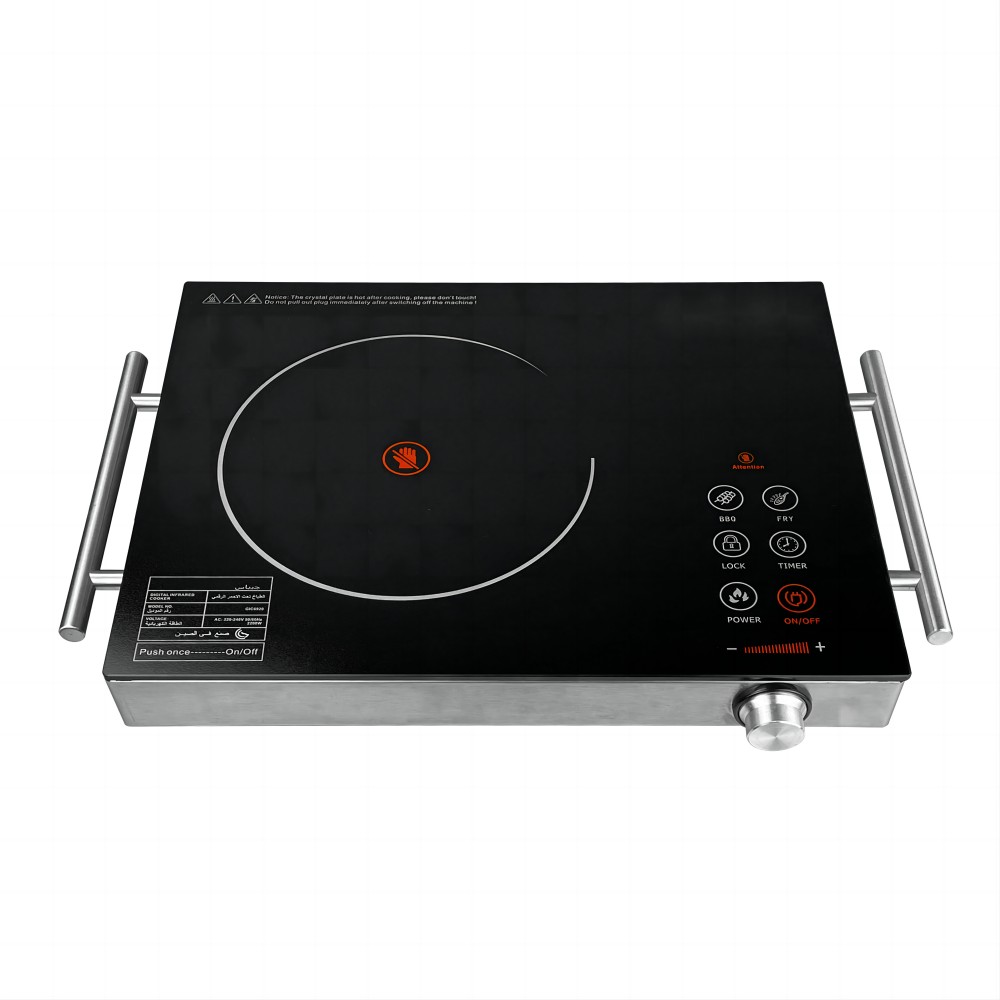
Keeping your infrared cooker clean is essential for both performance and safety. After each use, it’s important to clean the surfaces to prevent grease buildup and food residue. Here are some effective cleaning methods:
Soft Cloths: Use a damp, soft cloth to wipe down the ceramic plate and exterior. Avoid abrasive materials, as they can scratch the surface.
Mild Detergents: For tougher stains, a mixture of warm water and mild dish soap works well. Apply it with a soft sponge, and rinse thoroughly to remove any soap residue.
Avoid Harsh Chemicals: Steer clear of strong cleaners or scouring pads. They can damage the finish and affect the cooker’s performance.
Before you start cleaning, always remember to wait for the device to cool down completely. This not only protects your hands but also prevents any accidental burns. Cleaning a hot surface can be dangerous, so patience is key.
To ensure your infrared cooker lasts for years, regular maintenance is crucial. Here are some tips to keep it in top shape:
Check Heating Elements: Periodically inspect the heating elements for any signs of wear or damage. If you notice any cracks or irregularities, it’s best to consult the manufacturer for repairs or replacements.
Keep the Ventilation Clear: Ensure that the ventilation areas of the cooker are free from obstructions. Good airflow is essential for optimal performance and safety.
Routine Deep Cleaning: Every few months, perform a deeper clean. This includes removing any removable parts and washing them separately. Regular deep cleaning helps maintain efficiency and prevents odors.
Maintenance Task | Frequency | Purpose |
Inspect heating elements | Monthly | Ensure safety and performance |
Clean exterior and surfaces | After each use | Prevent buildup and maintain hygiene |
Deep clean removable parts | Every 3 months | Maintain efficiency and prevent odors |
By following these cleaning and maintenance tips, you’ll not only extend the life of your infrared cooker but also enjoy consistent cooking results. A well-maintained cooker ensures that every meal is prepared safely and deliciously.
A: No, use flat-bottomed cookware made of stainless steel, ceramic, or glass for optimal heat transfer.
A: Yes, infrared cookers are safe when used according to the manufacturer’s instructions, with built-in safety features like hot-surface indicators.
A: Infrared cookers are generally more energy-efficient, cooking faster and using less power than traditional gas stoves.
A: Avoid using incompatible cookware, neglecting to preheat, and not monitoring food closely to prevent overcooking.
A: Check power connections, inspect heating elements for damage, and consult the manual for specific troubleshooting steps.
Using an infrared cooker offers many benefits. They cook food quickly and efficiently.
This guide covered essential steps, from preparation to cleaning.
Infrared cookers are versatile and easy to use.
Brands like Windspro provide innovative features for better cooking experiences.
Try cooking with an infrared cooker to enjoy delicious meals effortlessly.


