Have you ever burned a steak while its center stayed cold? The problem may be heat placement, not cooking skill. Direct grilling puts food above the fire for fast browning. Indirect grilling moves it away for slower, even cooking. In this guide, you will learn both methods, two-zone setup, food choices, and common mistakes. You will also see when combining both methods produces better results.
The main difference is where food sits in relation to the heat. Direct grilling places it above lit burners or hot charcoal. Indirect grilling keeps it beside, between, or shielded from the active heat source. The grill’s closed lid then circulates hot air around the food.
That simple change affects cooking speed, surface color, and doneness. Direct heat acts like a hot broiler. It creates fast browning through radiant heat and contact with the grate. Indirect heat behaves more like an outdoor oven. It cooks the center steadily before the surface becomes too dark.
Factor | Direct grilling | Indirect grilling |
Food position | Directly above active heat | Away from active heat |
Heat style | Strong radiant and conductive heat | Gentler radiant and circulating heat |
Usual lid position | Open or closed, depending on food | Closed for stable convection |
Cooking pace | Fast | Moderate to slow |
Best result | Searing, crisp edges, grill marks | Even doneness, tenderness, moisture control |
Typical foods | Burgers, steaks, kebabs, thin vegetables | Ribs, roasts, whole poultry, thick cuts |
Neither method is always better. Choose according to thickness, tenderness, and expected cooking time. Small foods often finish before strong heat burns them. Large foods need time for heat to reach the center.
A useful rule is the 20-minute test. Foods finishing within about 20 minutes usually suit direct heat. Foods needing longer often benefit from indirect heat. This guideline is flexible, since grill power and food thickness vary.
Many cooks get the best control from two-zone grilling. One side provides high direct heat. The other becomes a cooler indirect or safety zone. You can move food whenever flames rise or browning develops too quickly. This arrangement makes direct vs indirect heat grilling a practical choice, not a fixed commitment.
Direct grilling cooks food immediately above active charcoal, flame, or a lit burner. Heat strikes the surface quickly and transfers through the hot grate. That combination builds a browned crust, crisp edges, and visible grill marks. It also leaves little time for correcting mistakes.
This method works best for tender, smaller, or thinner foods. Burgers, steaks, chops, sausages, shrimp, fish fillets, and kebabs are common choices. Corn, zucchini, peppers, bread, and fruit also respond well. Each item can cook through before its surface burns.
For reliable direct heat grilling, follow a simple sequence:
1. Preheat the grill and clean the grate. A hot, clean surface supports browning and reduces sticking. Preheating also helps food release after its surface forms a crust.
2. Arrange an even fire or activate the needed burners. Keep part of the grate cooler whenever space allows.
3. Add food only after the heat becomes steady. Turn it as needed, using tongs instead of piercing the surface.
4. Move food to the cooler area during flare-ups. Return it once the flames settle.
Fat dripping onto charcoal can create sudden flames. Those flames taste exciting, but constant exposure leaves soot and bitter spots. Keep the grill attended, avoid overcrowding, and trim only excessive exterior fat. A safety zone gives you somewhere to protect food without ending the cook.
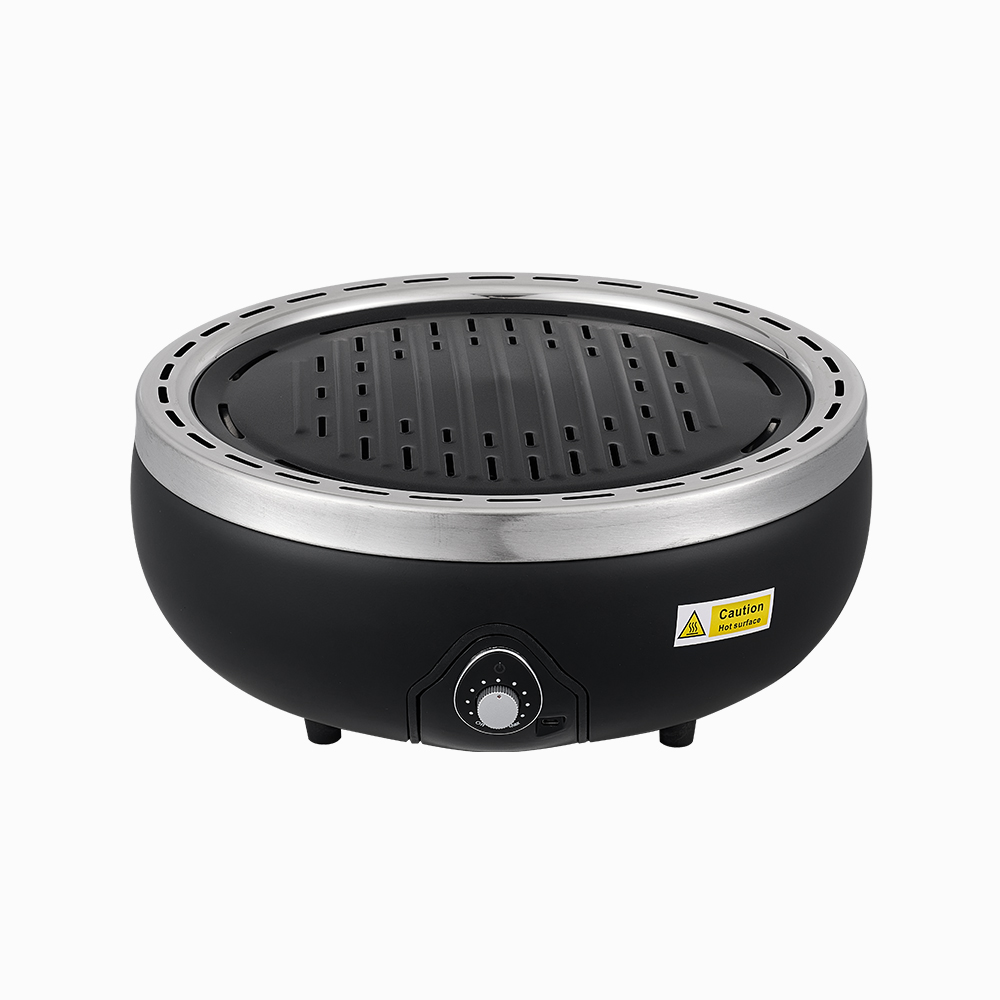
Low Voltage USB-Powered Portable Outdoor Smokeless Charcoal BBQ | Windspro uses real charcoal plus fan-assisted airflow. Its compact format suits quick outdoor meals, where direct grilling is often the practical starting method. Adjust airflow gradually because stronger airflow can intensify the charcoal. Check the food more frequently after every adjustment.
Direct grilling should look active, not uncontrolled. Fast browning is useful only when the center can finish safely. If a thick steak darkens too early, move it off the fire. Continue over indirect heat, then return briefly for the final crust.
Indirect grilling cooks food away from the active flame, burner, or charcoal bed. The lid stays closed, trapping and circulating hot air. The food receives gentler energy from several directions. Its center can cook before the exterior becomes dry or burned.
This method fits large, thick, tough, or bone-in foods. Whole chickens, ribs, roasts, pork shoulder, and thick chops are strong candidates. It also handles potatoes, dense vegetables, bread, and some desserts. Most need steady heat for more than 20 minutes.
Indirect heat grilling requires three working parts:
● A heat source: Charcoal or lit burners occupy one side, both outer sides, or the grill’s perimeter.
● An indirect area: Food sits over an unlit or fuel-free section. A heat deflector may create this barrier on compatible grills.
● A closed lid: The lid holds heat and supports convection. Frequent opening causes sharp temperature changes and longer cooking.
A drip pan placed beneath fatty food catches grease before it reaches the fire. It can reduce flare-ups and simplify cleanup. Add liquid only when the recipe or grill design calls for it. Water does not automatically make meat juicier.
Lid temperature is helpful, but grate temperature may differ considerably. Measure near the food whenever precision matters. Rotate large items if one side faces stronger heat. However, avoid constant turning or unnecessary lid opening.
The Windspro smokeless charcoal grill range includes standard and thermometer-equipped lid accessories. A lid can stabilize the cooking chamber and retain heat. However, it does not create true indirect grilling by itself. The food must still sit away from active charcoal or behind a suitable barrier.
Indirect grilling trades speed for control. It lowers the chance of a burned surface surrounding a raw center. It will not always create a deep crust, though. For stronger browning, finish the food briefly over direct heat after the center approaches its target.
A two-zone grill gives you both methods during one cooking session. The hot side handles searing and quick foods. The cooler side protects delicate items and finishes thicker pieces. Setup changes by fuel, but the heat map stays the same.
Light the charcoal and wait until ignition smoke settles. Bank most coals on one side of the firebox. Leave the opposite side empty. Food above the coals receives direct heat, while food above the empty side receives indirect heat.
For longer cooks, place a drip pan beneath the indirect area. Aim the lid vent over the food when the grill design allows. This path encourages hot air and smoke to travel across the food before escaping. Adjust vents in small steps, then wait for the temperature to respond.
Preheat the grill according to its instructions. On a two-burner model, keep one burner lit and turn the other off. Place food above the unlit burner, then close the lid. On a three-burner grill, outer burners can heat food positioned in the center.
Never light a gas grill while its lid is closed. Burner layouts also vary, so follow the manufacturer’s manual. If the indirect area remains too hot, lower the active burner instead of repeatedly opening the lid.
Small tabletop grills need extra planning. Their grates may not provide enough separation between food and charcoal. A raised rack, divided charcoal basket, or approved heat shield may help. Never improvise a barrier using materials not rated for cooking heat.
Test the layout before adding food. Hold your hand safely away from the grate and compare both zones, or use grate-level thermometers. The indirect side should feel clearly gentler. Leave enough clearance for the lid and airflow system.
A fan can raise charcoal intensity quickly. Start low, watch the thermometer, and adjust gradually. If the grill cannot create real separation, use direct heat for suitable foods. Choose another approved setup for long indirect cooking.
Start by asking two questions: How thick is the food, and how long will it cook? Thin, tender items usually favor direct heat. Thick, tough, or bone-in foods usually favor indirect heat. When you need an evenly cooked center plus a dark crust, use both.
Food | Recommended method | Practical reason |
Burgers and hot dogs | Direct | They cook quickly and benefit from browning |
Thin steaks or chops | Direct | Strong heat builds a crust before the center overcooks |
Whole chicken | Indirect | Gentle heat reaches joints without scorching the skin |
Ribs or pork shoulder | Indirect | Longer cooking softens connective tissue |
Thick steak | Indirect, then direct | Gentle cooking controls the center; searing builds the crust |
Dense vegetables | Combination | Indirect heat softens them; direct heat adds color |
Combination cooking solves many direct vs indirect grilling problems. For a thick steak, begin over indirect heat. Move it above the fire near the target temperature. This reverse-sear method reduces the gray overcooked band and adds a crisp exterior.
Chicken pieces can use the opposite sequence. Brown the skin carefully over direct heat, then finish on the cooler side. Watch dripping fat because poultry skin can trigger flare-ups. Sugary sauces also burn quickly, so apply them near the end.
Do not judge safety through color or grill marks. Check the thickest area using a clean food thermometer, avoiding bone. The USDA safe-temperature chart lists 145°F for whole beef, pork, veal, and lamb cuts, followed by a three-minute rest. Ground meats require 160°F, while poultry requires 165°F.
Common mistakes include skipping the cool zone, lifting the lid repeatedly, and cooking only by time. Another mistake is expecting indirect heat to create instant browning. Use the How to Cook Anything on Your Grill: Mastering Direct, Indirect, and 2-Zone Grilling | Tips & Techniques | Weber Grills | Weber US as a setup reference. Then rely on your thermometer and the food’s thickness.
Direct grilling cooks food above strong heat for speed and browning. Indirect grilling moves food away for gentler, even cooking. A two-zone setup lets you use both methods confidently. Windspro, a Zhongshan small-appliance manufacturer, offers portable charcoal grilling options for outdoor meals. Match the grill layout to your recipe, monitor the heat, and check doneness using a thermometer.
A: Thin steaks usually suit direct heat because they cook quickly. Thick steaks benefit from indirect heat followed by a direct sear. This combination controls the center while building a browned crust.
A: Boneless, thin chicken pieces can use direct heat carefully. Whole chickens and large bone-in pieces cook more evenly over indirect heat. Always confirm poultry reaches 165°F internally.
A: Yes. The closed lid traps and circulates hot air around the food. Repeated opening releases heat, extends cooking time, and makes the grill temperature less stable.
A: Sometimes. It needs enough room to separate food from active charcoal. A compatible divider, raised rack, or heat deflector may help, but the manufacturer’s instructions should guide the setup.
A: Use direct heat for thin foods cooking within about 20 minutes. Use indirect heat for thicker foods needing longer. Choose both when you want even doneness and a strong sear.