Rice cooker functions help you cook rice and other foods well. You can use a rice cooker to get good results each time. Modern rice cookers have microchips that change cooking time and heat for each rice type. This helps your rice not burn or stay hard. You can trust the rice cooker to cook brown, sticky, or white rice easily. The guide rice cooking functions let you try new settings and recipes without guessing.
Technology Used | Cooking Precision Improvement | |
|---|---|---|
Basic Rice Cooker | Simple on/off switch with temperature sensor | Has little control; cooks at one heat, so rice can be undercooked or burnt in some spots. |
Micom (Microchip) Rice Cooker | Microchip with fuzzy logic technology | Changes cooking time and heat for each rice type, so rice does not have hard centers or burnt bottoms. This gives more even cooking and better taste and feel. |
Induction Heating (IH) Rice Cooker | Electromagnetic field heats entire pot | Heats the whole pot evenly, so heat is controlled better. This makes cooking more exact and rice quality better. |
Pick the right rice cooker function for each rice type. This helps you get good texture and taste every time.
Wash rice well before you cook it. Use the suggested water amount so rice does not get mushy or burnt.
Use special features like keep warm and timer. These help rice stay fresh and make meal planning easy.
Try using your rice cooker for more than just rice. You can steam vegetables, make soups, bake, and cook one-pot meals.
Clean your rice cooker often. This stops food from sticking or burning and helps it last longer.
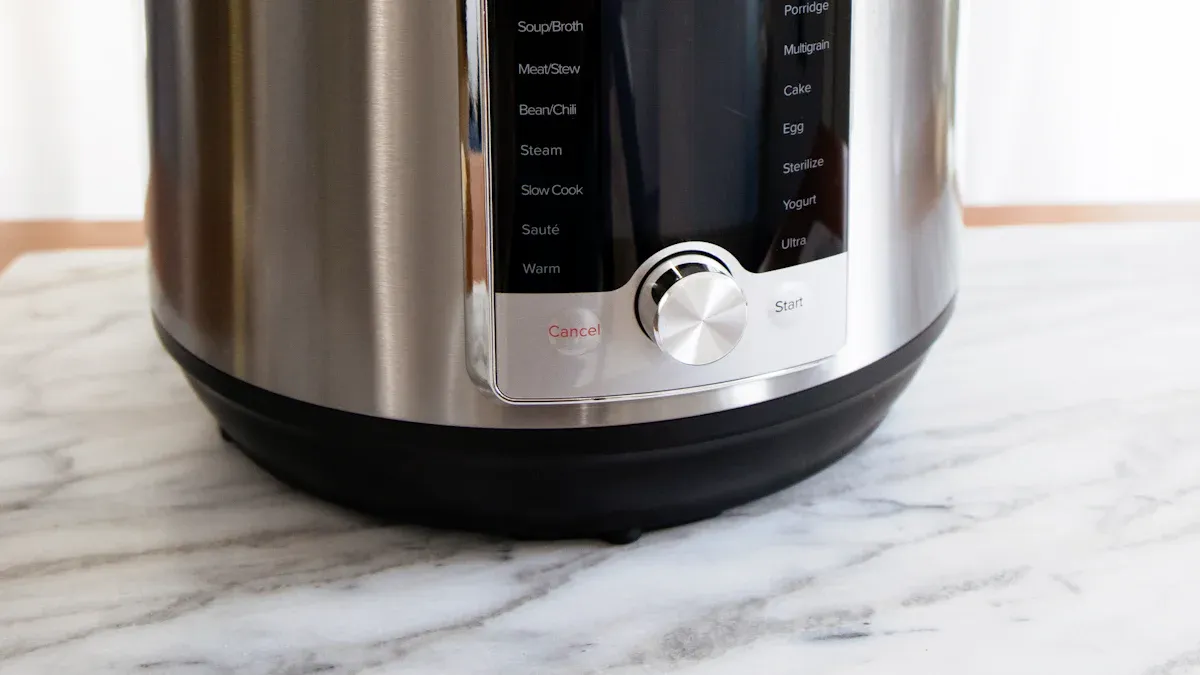
When you use a rice cooker, you get access to many helpful features. These rice cooker functions make cooking easier and more precise. Most modern rice cookers use fuzzy logic or even advanced fuzzy logic. This technology lets the rice cooker sense the type of rice and adjust the heat and time. You do not have to guess or watch the pot. The guide rice cooking functions help you select the right setting for each meal.
You will find several common functions on most types of rice cookers. Here is a quick look at what you might see:
White Rice/Regular
Brown Rice
Sushi Rice
Quick Cook
Porridge/Congee
Mixed Rice
Sticky Rice/Glutinous Rice
Keep Warm
Timer/Delay Start
Some rice cookers offer even more options, such as GABA brown or premium taste. These advanced settings use special soaking or steaming cycles to improve flavor and texture.
Choosing the right function on your rice cooker matters. Each type of rice needs a different amount of water and a unique cooking cycle. The guide rice cooking functions help you get the best results for every grain.
Using the correct rice cooker function changes the texture and taste of your rice. For example:
Long grain rice stays fluffy and less sticky when you use the white or long grain setting.
Short grain rice turns soft and sticky with the right water level and setting.
Brown rice needs more time and water, so the brown rice function works best.
Special settings like GABA brown soak the rice to boost nutrients and improve quality.
The keep warm function also plays a big role. It controls moisture and keeps your rice from drying out or getting too wet. Scientific studies show that the right heat preservation keeps rice texture even and prevents hard or mushy spots. With the guide rice cooking functions, you can enjoy perfect rice every time.
Image Source: unsplash
You can cook white rice in a rice cooker with ease. The white rice setting uses a simple cooking cycle that works for most types of white rice, including long-grain white rice in a rice cooker. Most rice cookers recommend a 1:1 ratio of water to rice, but some models use a special measuring cup. For example, Aroma rice cookers suggest 2 cups of water for every 1 cup of rice using their 180 ml cup.
Rice Cooker Brand | Rice Type | Water-to-Rice Ratio (cups) | Notes |
|---|---|---|---|
Aroma | White Rice | 2 cups water per 1 cup rice | Uses 180 ml rice measuring cup |
You should rinse the rice until the water runs clear before cooking. This step removes extra starch and helps you get fluffy rice. After cooking, let the rice rest for five minutes with the lid closed. You can use the white rice setting for many rice cooker recipes, such as pilaf or fried rice. If you want softer rice, add a little more water. For firmer rice, use less water.
Tip: Always check your rice cooker’s manual for water level lines. These lines help you get the best results for white rice in a rice cooker.
Cooking brown rice in a rice cooker takes more time than white rice. The brown rice setting uses a longer cooking cycle and more water. You should use a 1:2 ratio—one cup of brown rice to two cups of water. This ratio helps you get tender, fluffy grains.
Rinse the brown rice well before cooking.
Add the rice and water to the rice cooker.
Select the brown rice setting.
Let the rice rest for five minutes after cooking.
Fluff the rice gently before serving.
You can make brown rice in a rice cooker for healthy rice cooker recipes like grain bowls or veggie stir-fry. The brown rice setting works best for whole grain rice and helps you avoid hard or chewy spots.
Note: If you want softer brown rice, add a little extra water. For firmer rice, use less water.
The sushi rice function gives you sticky, moist rice that holds together well. This setting works best for short-grain rice. You should rinse the rice until the water runs clear to remove starch. Use about 1.1 cups of water for every cup of rice.
Aspect | Sushi Rice (Short Grain) | White Rice (e.g., Hom Mali Jasmine) |
|---|---|---|
Water-to-Rice Ratio | About 1.1 cups water per 1 cup rice | About 1.5 cups water per 1 cup rice |
Simmer Time | 12-15 minutes | 18-20 minutes |
Resting Time | 10 minutes covered | 5 minutes covered |
Rinsing Requirement | Rinse until water runs clear to remove starch | Generally less precise rinsing needed |
Rice Cooker Function | Use SHORT GRAIN or SUSHI RICE function | Use WHITE RICE function |
Resulting Texture | Sticky, moist, cohesive (ideal for sushi) | Fluffier, separate grains |
You can use the sushi rice setting for rice cooker recipes like sushi rolls or rice balls. After cooking, let the rice rest for ten minutes. This step helps the rice become sticky and easy to shape.
The quick cook function helps you save time. You can use this setting when you need rice fast. The rice cooker uses higher heat and a shorter cooking cycle. You should use the same water ratio as the white rice setting, but the texture may be slightly firmer.
Quick cook works well for easy rice cooker recipes when you need rice for a last-minute meal. You can use it for simple recipes like rice salads or side dishes. If you want softer rice, add a little more water.
Tip: Quick cook is best for small portions. For large batches, use the regular white rice setting.
You can make porridge or congee in a rice cooker using the porridge setting. This function uses a long, gentle cooking cycle. You should wash the rice well before cooking. Add rice, broth, and seasonings to the rice cooker.
Use the porridge setting if your rice cooker has one.
If not, cook on the normal cycle for 45-50 minutes.
The preferred rice-to-water ratio is about 1:20 (for medium-thick congee).
For thicker congee, use less water or more rice.
Let the congee sit after cooking to thicken.
Rice-to-Water Ratio | Description/Notes |
|---|---|
Very thick porridge | |
1:8 | Thick porridge (commonly used) |
1:9 | Medium-thick porridge (may overflow in rice cooker with 3/4 cup rice) |
1:10 | Medium-thin congee (not recommended for rice cooker with 3/4 cup rice due to overflow risk) |
You can try easy rice cooker recipes for breakfast, such as oatmeal or savory rice porridge. Always check the max fill line to prevent overflow.
Sticky rice, also called glutinous rice, needs special care. You should rinse the rice well to remove starch. Use a 1:1 water-to-rice ratio for best results. Add flavorings like coconut milk or pandan leaves if you want.
Rinse sticky rice until water runs clear.
Add rice and water to the rice cooker.
Use the sticky rice function or standard mode.
Cook for 20-25 minutes.
Let the rice rest for 10-15 minutes after cooking.
Fluff gently before serving.
You can use sticky rice for recipes like mango sticky rice or dim sum. Do not skip the resting step. This helps the rice become tender and sticky.
Common mistakes: Using the wrong rice type, skipping rinsing, or using too much water can make the rice mushy.
The mixed rice function lets you cook rice with vegetables, meats, and seasonings. You can make rice cooker recipes like Takikomi Gohan or pilaf. The mixed rice setting uses extra cooking time to infuse flavors.
Aspect | Details |
|---|---|
Common Ingredients | Soy sauce, mirin, sake, sugar, Japanese short-grain rice, carrot, shiitake mushrooms, chicken |
Preparation Steps | Marinate chicken; rinse rice; add seasonings and water; layer veggies and meat; cook; rest; fluff |
Rice Cooker Settings | Use standard or mixed rice setting; do not stir before cooking; rest after cooking for flavor |
Serving Suggestions | Garnish with green onions and sesame seeds |
You should layer ingredients on top of the rice. Do not stir before cooking. After the cycle ends, let the rice rest for 10-15 minutes. Fluff before serving. You can try many recipes with this function, including easy rice cooker recipes for family meals.
The mixed rice setting helps you get rich flavor without extra work.
The keep warm function keeps rice hot and fresh after cooking. Most rice cookers keep rice at 158°F to 194°F. You should not leave rice on keep warm for more than 12 hours. Some advanced models allow up to 24 hours, but flavor and texture may suffer.
Do not open the lid often. This causes heat loss and can spoil the rice.
For longer storage, refrigerate or freeze leftover rice.
You can use the keep warm function for rice cooker recipes that need to stay hot until serving. This feature helps you manage meal timing and keeps rice safe to eat.
The timer or delay start function helps you plan meals. You can set the rice cooker to start cooking at a specific time. This feature makes meal planning easier and saves you time.
Cooking starts automatically at your chosen time.
Rice is ready when you need it, such as after school or work.
Prevents overcooking and keeps rice fresh.
You can set meals up to 24 hours in advance.
You can use the timer for rice cooker recipes like breakfast porridge or dinner rice bowls. This function helps you manage your day and enjoy hot, fresh rice when you want it.
Advanced rice cookers offer extra grain settings for quinoa, oats, barley, and more. You can explore new recipes and grains with these features.
Image Source: pexels
Start by measuring your rice with a standard cup. This helps you get consistent results every time you use your rice cooker. Most rice cookers include a measuring cup, but you can use any kitchen cup if you keep the ratio the same for each batch.
Rinse the rice under cold water until the water runs clear. This step removes extra starch and helps prevent a gummy texture. You can place the rice in a bowl or use a fine mesh strainer. Swirl the rice gently with your hand to loosen the starch.
After rinsing, let the rice drain for a few minutes. This trick makes the grains fluffier after cooking. For some recipes, you can soak the rice for 30 minutes to help the grains plump up and cook evenly. Toasting the rice before cooking adds a nutty flavor, especially for aromatic varieties.
Tip: Always let the rice rest after cooking. This allows moisture to spread evenly, giving you the best texture.
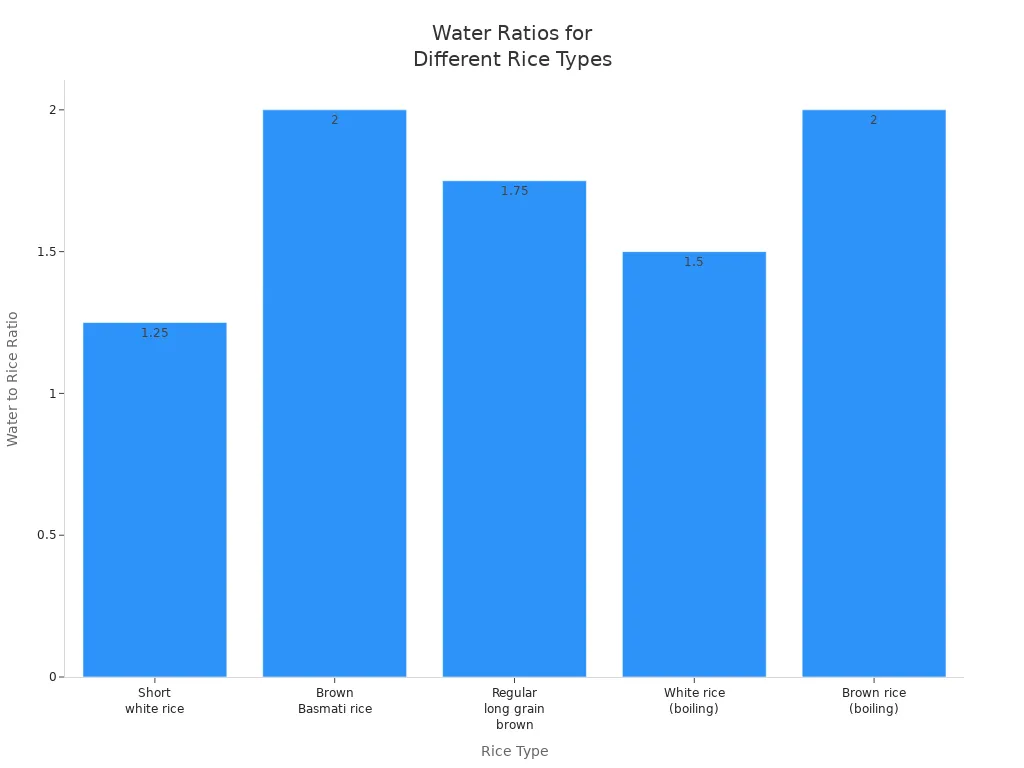
Choosing the right water ratio is important for cooking rice. The table below shows common ratios for different rice types:
Rice Type | Water to Rice Ratio | Notes |
|---|---|---|
Short white rice | Freshness and method affect ratio | |
Brown Basmati rice | ~2:1 | Needs more water and longer cooking |
Regular long grain brown | ~1.75:1 | Slightly less water than Basmati |
White rice (boiling) | 1:1.5 | Boiling method, lid on, no stirring |
Brown rice (boiling) | 1:2 | Longer cooking, careful heat management |
Different rice types need different water amounts. For example, brown rice needs more water than white rice. Some rice cookers have water level lines for each type. Always check your rice cooker’s instructions or the package for the best ratio.
If you live at a high altitude, add a little extra water. Hard water or older rice may also need more water. You can adjust the ratio to make rice softer or firmer based on your taste.
Pick the rice cooker function that matches your rice type. Use the white rice setting for long grain rice and the brown rice setting for whole grain rice. Multi-function rice cookers offer settings for jasmine, basmati, and sticky rice. These settings help you get the best texture and flavor.
Rice Cooker Size | Suitable For | Key Considerations | Example Features |
|---|---|---|---|
Individuals/couples | Compact, quick cooking | Space-saving, energy-efficient | |
Medium (4-6 cups) | Small families | Multiple options, easy clean | Versatile, keep-warm |
Large (7-10 cups) | Large families | Batch cooking, programmable | Multi-function, timer |
Preset programs make cooking rice easy. You just select the recipe or rice type, and the rice cooker does the rest. Some models have soaking cycles built in, so you do not need to soak the rice yourself.
You can adjust cooking time or water amount for custom recipes. If you want firmer rice, use less water. For softer rice, add more water. Try different settings to find what works best for your favorite recipes.
Many rice cookers have a timer or delay start feature. You can set the rice cooker to start cooking at a specific time. This helps you plan meals ahead and have rice ready when you need it.
Prepare your ingredients in advance. Set the timer for up to 24 hours, depending on your rice cooker. The auto keep warm function keeps rice hot and fresh after cooking.
Note: Do not leave raw meats on delay for more than 2 hours to keep food safe.
Always follow safety guidelines. Avoid leaving rice at room temperature for too long. Use the keep warm function for safe storage until you serve your recipes.
Add a small amount of oil or butter to the rice cooker before cooking. This helps prevent sticking and improves texture.
You can use broth instead of water for richer flavor. Try coconut milk for creamy rice or add spices like curry, garlic, or ginger for special recipes. Sauté onions or garlic in oil before cooking rice to deepen the flavor.
Mix in herbs, nuts, or dried fruit after cooking for extra taste.
Stir fresh herbs into cooked rice for a fresh finish.
Use the right water ratio and add oil to prevent sticking. Let the rice rest after cooking before opening the lid. This helps avoid burning and gives you perfect rice for all your recipes.
You can cook many types of rice with a rice cooker. Each variety needs a different approach. For jasmine rice in a rice cooker, use a 1:1.25 water-to-rice ratio. This gives you soft, fragrant grains. If you want to make basmati rice in a rice cooker, rinse the rice well and use a 1:1.5 ratio. Basmati rice stays fluffy and separate. Sushi rice needs a little more water and a longer resting time. Always check your rice cooker’s manual for special settings. Many recipes call for short-grain, long-grain, or brown rice. You can adjust water and time for each recipe. Cooking with a rice cooker lets you try new grains and flavors. You can use preset functions for quick results or experiment with manual settings.
You may want to cook small amounts of rice for single servings or side dishes. Most rice cookers work best with at least one cup of rice. If you use less, the rice may cook unevenly. To solve this, spread the rice evenly in the pot and use the correct water ratio. For small batches, measure carefully and avoid overfilling. Many recipes for rice cooker meals use half-cup or one-cup portions. You can find recipes for breakfast bowls, sushi rolls, or simple sides. Cooking with a rice cooker helps you save time and reduce waste.
Tip: If you want to try new recipes, start with small portions to test water ratios and cooking times.
You may face problems when learning how to cook in a rice cooker. Here are some common issues and solutions:
Inconsistent rice texture often comes from using the wrong water-to-rice ratio. Measure by weight for better results.
Burnt or mushy rice can happen if the inner pot does not sit flat or if you use too much or too little water. Make sure the pot is placed correctly and check water levels.
Overloading the rice cooker leads to uneven cooking. Cook in batches or choose a rice cooker that fits your needs.
Dirty heating plates or steam vents cause uneven heating. Clean your rice cooker after each use.
Issue | Symptoms | Causes | Solutions |
|---|---|---|---|
Uneven Heating | Rice cooked inconsistently | Dirty heating plate, poor pot placement | Clean plate, check pot position |
Rice Sticking | Burnt rice at bottom | Worn coating, overheating | Clean regularly, replace pot if needed |
Rust or Corrosion | Rust on heating plate | Moisture exposure | Dry thoroughly, replace if needed |
You can avoid most problems by following manufacturer instructions and keeping your rice cooker clean. Try new recipes and adjust settings to find what works best for you. Learning how to cook in a rice cooker helps you make perfect rice every time.
You might wonder what can you cook in a rice cooker besides rice. The answer is: a lot! Rice cookers let you prepare a wide range of recipes, from steamed vegetables to cakes. This versatility explains why use a rice cooker for more than rice makes sense for busy kitchens.
You can steam vegetables and proteins while cooking rice. Place a steaming stand or basket above the rice and water. Add seasoned chicken thighs on a heat-safe dish, then layer broccoli florets on top. Close the lid and let the rice cooker run its cycle. The steam cooks everything together, saving time and effort.
Broccoli florets and stems
Carrots
Green beans
Chicken thighs (cut into small pieces)
Fish fillets
Steaming keeps vegetables bright and full of nutrients. Use the 'cook' mode and steam for about 10 minutes for most vegetables.
Try making multiple dishes in a rice cooker by steaming chicken and broccoli with your rice. After cooking, season with butter or your favorite sauce for extra flavor.
You can use your rice cooker as a slow cooker for soups and stews. Add all ingredients to the inner pot and select the 'porridge' or 'cook' setting. Watch the liquid level to prevent spills.
Carrot ginger soup
Beef stew
Indian coconut soup
These rice cooker recipes are simple and filling.
Grease the bowl lightly for sticky dishes. Add noodles near the end to keep them from getting soggy.
You can bake cakes in a rice cooker. The cooker steams the batter, making cakes rise well and stay moist. The shape depends on your pot, but the taste is always good.
Sponge cake
Chiffon cake
Banana bread
These easy rice cooker recipes work well for beginners.
Experiment with recipes and adjust as needed. Cakes will not brown like in an oven, but they stay soft and even.
Combine proteins, vegetables, grains, and sauces in one pot. Use the Sauté-then-Simmer® function if your rice cooker has it. Brown or sauté ingredients first, then add the rest and cook together.
Tuscan style salmon with pasta and spinach
Rice cooker mac and cheese
Salmon and rice bowls
Making multiple dishes in a rice cooker saves time and reduces cleanup.
Layer ingredients for even cooking. Avoid stirring during cooking to keep textures right. This approach shows why use a rice cooker for more than rice.
Rice cookers help you explore what can you cook in a rice cooker, turning simple ingredients into delicious recipes.
You should always unplug your rice cooker before cleaning. Remove the inner liner and soak it in water for a few minutes. Use a soft sponge or loofah with baking soda and water to clean the surface. Avoid detergents and never use steel wool or metal tools. Rinse the pot well and dry it with a clean rag. Wipe the bottom of the pot gently with a wet rag. Do not use abrasive brushes, as these can damage the nonstick coating. After cleaning, use kitchen paper to absorb any leftover water. Test your rice cooker by turning it on to make sure it works properly.
Start by soaking the stainless steel pot to loosen stuck rice. Gently scrub with a nonabrasive sponge. If food remains, use a plastic or rubber spatula to lift it off. Rinse and dry the pot thoroughly. Clean detachable lids with soapy water and a sponge, then wipe with a microfiber cloth. Spray the exterior with an all-purpose cleaner, but avoid electrical parts. Wipe the heating element with a barely damp cloth. Clean your rice cooker after every use to keep it efficient.
If you notice lingering odors, soak the inner pot with a mixture of water and baking soda. For stuck-on residue, avoid metal utensils and use a soft sponge. Prevent rust by drying all parts completely before storage. Never soak the rice cooker base or electrical parts. Regular cleaning helps prevent most issues.
You can prevent rice from sticking or burning by following a few simple steps:
Use a heavy pot for better heat distribution.
Stir rice and water before cooking to spread grains evenly.
Brush the inner pot with oil or add a small amount of oil to the rice.
Let the rice rest with the lid closed after cooking to allow steam to settle.
Avoid "quick cook" modes, which use higher heat and can cause sticking.
Cool the pot quickly after cooking by placing it in a shallow pan of cold water.
Replace scratched or old pots, as these tend to stick more.
These rice cooker tips help you get perfect rice every time.
You can use your rice cooker for much more than just rice. Try steaming vegetables like broccoli or carrots using the steaming tray. Cook meats such as teriyaki chicken or pork belly for tender results. Prepare fish dishes, including salmon or cod, right in your rice cooker. Make soups and stews by using the slow cook function. Cook pasta dishes, frittatas, or omelets for easy meals. Prepare oatmeal, porridge, or even bake cakes and bread. Layer ingredients and use parchment paper to cook multiple dishes at once. Some people even use their rice cooker for sous vide cooking by keeping a steady low temperature. Multifunctional rice cookers give you the most options for creative cooking.
Knowing how your rice cooker works helps you make fluffy rice. You spend less time cooking and have more room in your kitchen. You can steam veggies, bake cakes, and keep food warm easily.
You have more choices for meals and can try new recipes.
Trying different settings helps you find the taste and texture you like best.
Special features like fuzzy logic make cooking simple and safe.
Keep learning about your rice cooker’s features. You can look at this guide anytime for help or tips.
Add a small amount of oil or butter before cooking. Rinse the rice well to remove extra starch. Let the rice rest after cooking. Use the correct water ratio for your rice type.
Yes, you can cook quinoa, barley, oats, and more. Many rice cookers have special settings for these grains. Always check your manual for water ratios and cooking times.
Reduce the amount of water next time. Use the correct rice-to-water ratio for your rice type. Fluff the rice with a fork after cooking to release extra steam.
You should not leave rice in the cooker overnight. Bacteria can grow if rice stays warm too long. For safety, refrigerate leftover rice within two hours after cooking.