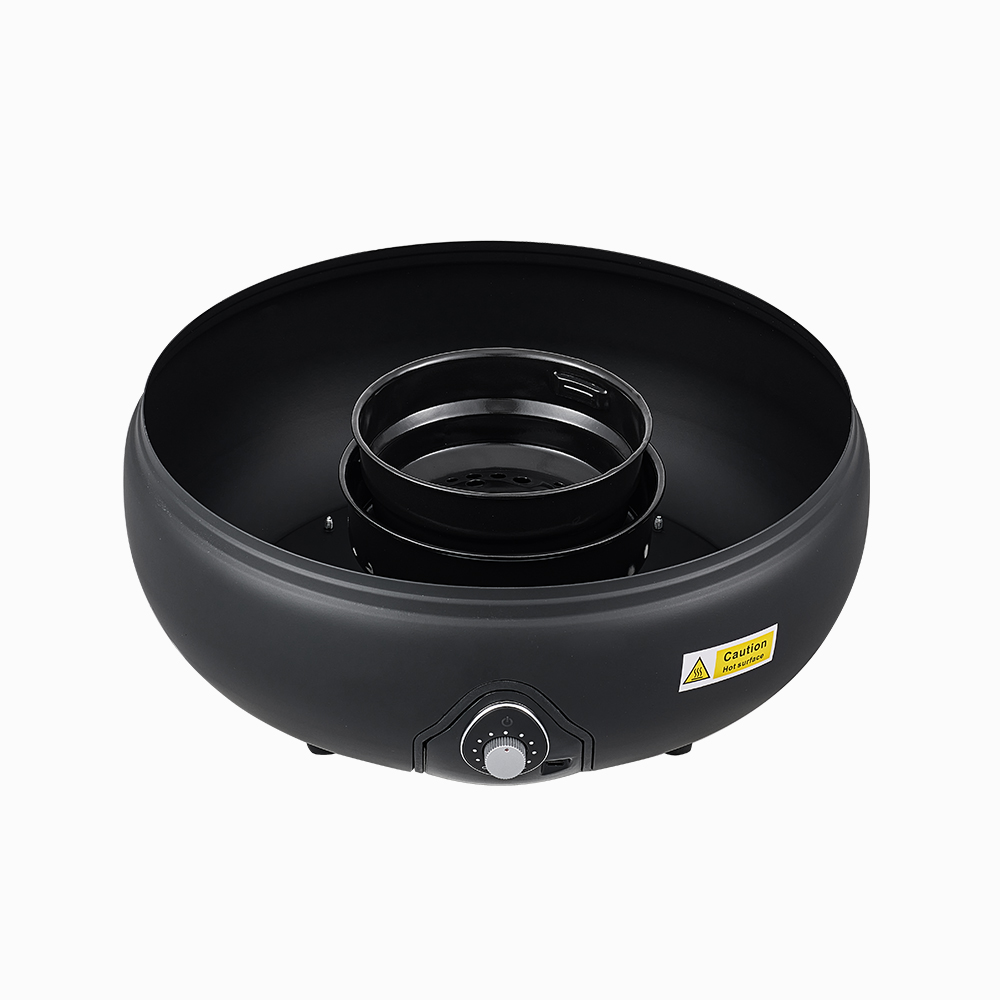
A clean grate does not always mean a clean grill. Grease, ash, and crumbs often hide beneath the cooking surface.
Those deposits can block airflow, create odors, and produce more smoke during your next cook. Poor cleaning may also damage nonstick coatings or powered components.
This guide explains how to clean a Portable Smokeless Grill safely. You will learn how to handle removable parts, airflow areas, stubborn grease, drying, and storage.
Cleaning starts by identifying the grill type. A fan-assisted charcoal model needs different care from an electric indoor grill. Propane units add burners, valves, and fuel connections, which demand another process.
Read the model manual before lifting any component. Then identify the grate, charcoal container, ash tray, inner bowl, grease pocket, lid, fan, and power compartment. Some parts may look removable but still connect to wiring.
Fan-assisted charcoal grills produce smoke control through better combustion and grease management. Electric models may use a water tray, heating element, or powered smoke extractor. Propane models require complete fuel disconnection before cleaning.
Windspro manufactures small appliances in Zhongshan, China. Its portable charcoal grills use fan-assisted airflow, stainless construction, removable residue collection, and compact outdoor designs.
Use this guide as a starting point, then confirm every part in your manual. The Lowe’s portable grill cleaning guide also stresses cooling and model-specific instructions.
Component | Usual cleaning method | Main caution |
Nonstick grate | Warm soapy water and soft sponge | Avoid steel wool and metal scrapers |
Ash or drip tray | Empty first, then wash if approved | Ash must be completely cold |
Inner bowl | Hand wash or dishwasher if approved | Dry seams and edges fully |
Fan and air intake | Dry brush or barely damp cloth | Never immerse powered parts |
Fixed body or base | Wipe using a damp cloth | Keep ports and controls dry |
Prepare mild dish soap, warm water, microfiber cloths, a soft sponge, and a nylon brush. Add wooden or plastic scrapers for loosened food. Wear heat-resistant gloves when checking cooled charcoal parts.
Skip steel wool, oven cleaner, bleach, and aggressive degreasers unless the manual allows them. These products may damage coatings, printed controls, seals, or exterior finishes.
A small bowl, rubbish bag, and sealable metal ash container also keep the job controlled.
Good preparation prevents burns, water damage, and messy ash clouds. Never begin because the grate merely feels warm. Heat can remain inside charcoal, thick metal, grease pockets, and double-wall housings.
For a fan-assisted charcoal grill, turn off the fan and disconnect its USB cable. Remove batteries when the design permits. Close any air controls, then leave the grill outdoors until every coal is cold.
For an electric smokeless grill, switch it off and unplug it. Let the heating element and base reach room temperature. For propane, close the cylinder valve, disconnect the tank, and follow the manual.
Never pour water onto hot charcoal inside the appliance. Sudden steam can cause burns, while thermal shock may warp metal or damage coatings. Wet ash also becomes a heavy, corrosive paste.
Take a quick photograph before removing anything. It gives you a simple reference during reassembly. Work on a stable surface where small clips cannot disappear.
Remove components from the top downward:
1. Lift away the cooled grate, lid, or cooking plate.
2. Remove approved accessories, including pans or heat shields.
3. Lift out the charcoal container or inner bowl.
4. Slide out the ash tray or grease collector.
5. Detach the fan cover only when the manual permits it.
Do not pull a fan assembly by its wire. Stop if a part resists or exposes electrical connections. Forced disassembly often creates more damage than the grease itself.
Transfer fully cold ash into a lidded metal container. A hidden ember can survive longer than expected, so avoid plastic bins or dry vegetation. Follow local disposal rules.
Wipe thick grease from the tray using paper towels before adding water. Brush dry crumbs and ash from bowls using a soft nylon brush. This dry first pass keeps the sink cleaner and prevents grease from spreading.
Keep ash separate from greasy wash water. Charcoal dust can scratch a nonstick surface when trapped beneath a sponge. Once loose material is removed, sort the parts into washable and dry-clean-only groups.
Food-contact parts need thorough cleaning, but hard scrubbing is rarely the answer. Warm water, mild detergent, and enough contact time usually release grease safely.
Follow this sequence for parts approved for washing:
1. Fill a basin using warm water and a small amount of dish soap.
2. Soak greasy metal parts for ten to fifteen minutes.
3. Wipe broad surfaces using a soft sponge.
4. Clean corners and slots using a nylon brush.
5. Use a plastic scraper on softened, stuck-on food.
6. Rinse away detergent, loosened grease, and remaining ash.
7. Place each part on a clean rack for drying.
Do not soak coated parts for hours. Long soaking may reach exposed edges or damaged areas. It can also weaken seasoning on cast-iron accessories.
The Low Voltage USB-Powered Portable Outdoor Smokeless Charcoal BBQ | Windspro lists its grate, ash tray, and inner bowl as removable and dishwasher-safe. That statement applies to the named model. Other models still require manual confirmation.
Clean a nonstick grill grate using a soft sponge or nylon brush. Never use steel wool, sharp utensils, or powdered abrasive cleaner. Replace a grate when its coating blisters, peels, or exposes damaged metal.
Stainless steel tolerates more cleaning than nonstick material, yet harsh tools still leave scratches. Brush along the visible grain. Rinse thoroughly because dried detergent may affect flavor during the next cook.
Clean the oil pocket or drip channel carefully. A thin wooden skewer can move softened residue from narrow corners. Do not force tools into air holes or sealed joints.
Cast iron should usually be hand-washed, dried immediately, and lightly oiled. Follow its seasoning instructions. A dishwasher can strip protective seasoning and encourage rust.
Pizza stones absorb moisture and odors. Scrape them only after cooling, then follow the maker’s dry-cleaning instructions. Soap may enter porous material.
Wash lids, stainless grids, and aluminum pans only as directed. Different accessories can share one grill but still require separate care. This material-based approach prevents coating damage, corrosion, and unwanted flavors.
The smoke-control system needs attention because airflow carries fine ash and grease. However, it often contains the parts most vulnerable to water.
Remove batteries and disconnect USB power before cleaning the fan area. Hold the grill so loose dust falls away from the motor. Use a dry, soft brush around the fan cover, intake slots, and outlet vents.
A low-power handheld vacuum may collect loose ash near accessible openings. Keep the nozzle above the surface and avoid pulling wires or seals. Never use compressed air because it can push debris deeper.
Do not immerse the fan, USB port, battery compartment, control housing, heating element, or fixed base. The same rule appears across many electric grill manuals.
T-fal’s User manual and frequently asked questions Easy Clean Smoke Less Grill TG403D52 also advise wiping the body and keeping it out of water.
Fold a damp microfiber cloth into a narrow pad. Wipe the cooled body, rim, handles, and fixed inner surfaces. The cloth should feel damp, not wet enough to drip.
Use a cotton swab around dry seams and control edges. Do not insert it deeply into a motor, burner opening, or electrical port. Follow using a clean damp cloth, then a dry one.
For an electric model, leave the heating element alone unless its manual provides a method. Some makers permit only a dry wipe after complete cooling. Others prohibit cleaning the coil entirely.
Propane burners need model-specific brushing and port inspection. Never enlarge a blocked burner hole using nails or drill bits. That change can alter the flame pattern.
Inspect intake slots under bright light. Remove visible lint, ash, and softened grease from accessible surfaces. Confirm that the fan rotates freely only when the manual allows manual checking.
Stop using the grill if the fan binds, wires appear damaged, or moisture entered the housing. Let the unit dry completely and request qualified service. A clean grate cannot compensate for a damaged smoke-control system.
Old grease needs patience rather than force. Strong scraping may remove the residue, but it can also ruin the surface underneath.
Apply warm soapy water to washable metal areas and wait several minutes. Keep the spot damp using a folded cloth. Then lift the softened grease using a plastic or wooden scraper.
A mild baking-soda paste may help on uncoated stainless steel when the manual permits it. Test a hidden area first. Rinse carefully and keep the paste away from coatings, vents, motors, and printed controls.
Avoid these common shortcuts:
● Do not use oven cleaner unless the manufacturer specifically approves it.
● Do not scrape nonstick surfaces using knives or metal spatulas.
● Do not mix bleach, ammonia, acids, or commercial degreasers.
● Do not run a dirty grill at maximum heat merely to burn residue away.
● Do not spray cleaner directly toward vents or electrical seams.
If odor remains, wash approved parts again and inspect hidden grease channels. Persistent smoke often comes from fat near the heat source, blocked airflow, or an overfilled collection tray.
Dry every component using a lint-free towel. Then allow extra air-drying time, especially around rolled edges, screw heads, and seams. Water trapped there can cause rust or stale odors.
Inspect coatings, wires, seals, and trays before assembly. Replace damaged food-contact surfaces and cracked powered parts. Apply a very thin layer of oil only to surfaces whose care instructions require seasoning.
Reassemble in reverse order using your photograph. Confirm that the ash tray sits flat and the grate locks securely. Keep power disconnected until all parts are dry and correctly fitted.
After every use, remove cold ash, empty grease, wash the grate, and wipe the body. Every few uses, clean the inner bowl, collection channels, and accessible air vents.
Deep clean before long storage or whenever smoke increases. Store the grill indoors or under a dry cover. Keep batteries separate during long storage, and protect the USB connection from dust.
Never pack the grill while damp. Moisture, grease, and restricted airflow create the perfect conditions for corrosion and odor.
Cleaning a Portable Smokeless Grill is simple when you respect its different materials. Cool it fully, remove residue, wash approved parts, and keep powered areas dry.
Dry everything before reassembly and storage. Windspro designs removable components to simplify this routine, while careful maintenance preserves airflow, flavor, and dependable outdoor cooking.
A: Only when the model manual marks them dishwasher-safe.
A: Clean the grate, ash, and grease after every use.
A: Soften it using warm soapy water, then use a plastic scraper.
A: Check hidden grease, blocked vents, excess fat, and an overfilled tray.
A: No. Keep powered parts dry and follow the manual.